The Overview: Acetic Acid Bacteria

Acetic Acid Bacteria

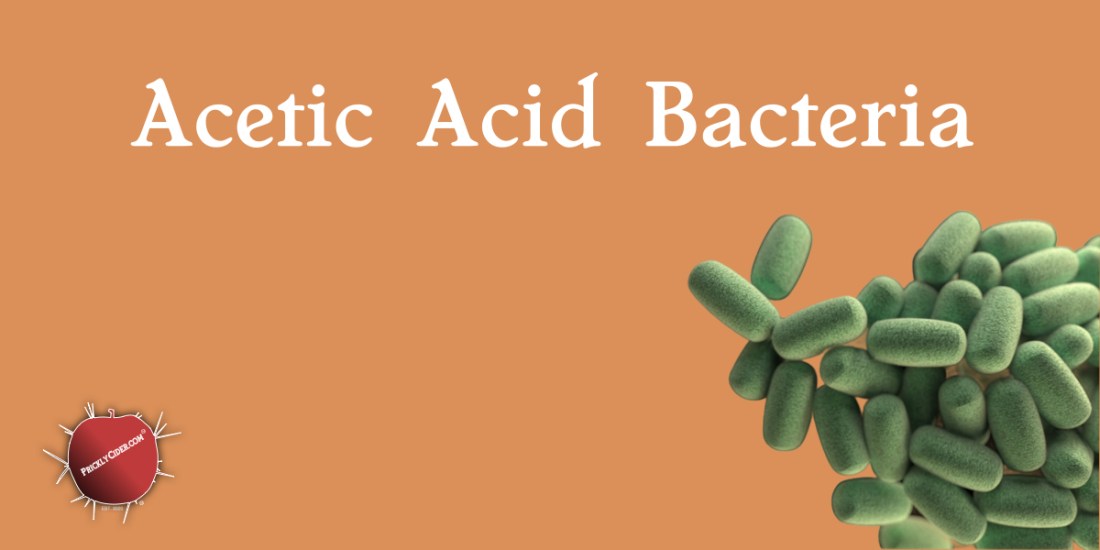
Acetic acid is generally considered one of the most undesirable compounds found in cider. In very small doses, it can have a positive impact but in general, it is something you should try to avoid because of the vinegary aroma and taste it can produce. You might think that the most common producer of acetic … Continue reading The Overview: Acetic Acid Bacteria
Volatile Acidity Versus Vinegar

Is it volatile acidity or vinegar?

Languages often have multiple words that can mean the same thing. They also have words that can mean many different things depending on the context or situation in which they are used. Saying it is chilly, cool, or brisk this morning basically means the same thing. You might want a jacket. The temperature is low. … Continue reading Volatile Acidity Versus Vinegar

Cider Question: Do I need to use Campden (sulfite)?

Sulfite addition to cider

The simple answer is “no”. Campden, potassium metabisulfite, sulfite, sulphite, or whatever name or compound you use, it is not needed. This is especially true if you are unsure why you are adding it. As a general rule, if you don’t understand why you are adding something to your cider, don’t add it. This is … Continue reading Cider Question: Do I need to use Campden (sulfite)?

The Essence of Cider

The Essence of Cider

As you relax on your patio enjoying one of your home crafted ciders, have you ever started pondering what really creates it. The taste and ultimately, the quality is determined by the numerous compounds found in your cider. These can include esters, fusel alcohols, acids, and a multitude of others. It’s these compounds that define … Continue reading The Essence of Cider

Sulfur Dioxide (SO2) Tolerance

Mālus Trivium Page Top

Generalization of how tolerant various microorganisms are to free SO2. Sulfur dioxide (SO2) has the ability to weaken the cell walls of organisms resulting in their death or inability to function. It can also react and bind with phenolic and other compounds impacting color, sweetness, bitterness, and astringency. SO2 tolerance is the ability of an … Continue reading Sulfur Dioxide (SO2) Tolerance

The Overview: Potassium Metabisulfite

Potassium Metabisulfite, SO2, Sulfur Dioxide, Sulfites: The Overview

If you read some of my other articles on sulfites and sorbates, you will know that I am not an advocate of using Campden, potassium metabisulfite, sulphite, SO2, or whatever other term you use for this preservative and sanitizing compound. The biggest reason I am not an advocate is because I think it’s overused, especially … Continue reading The Overview: Potassium Metabisulfite

Bacteria and Hard Cider – It’s not all bad.

Bacteria & Hard Cider

When someone says bacteria, we generally have a negative reaction. Bacteria is a bad thing, right? We want to kill it to keep us from getting sick. However, not all bacteria is bad and especially when you are fermenting hard cider. Lactic Acid Bacteria, commonly called LAB, is the under-appreciated and often abused element in … Continue reading Bacteria and Hard Cider – It’s not all bad.

Mold: The What, Why, and How of It.

Mold: The What, Why, and How

Mold... Just the name can conjure up bad images and usually, it’s not something that is positive. There are a few positive occurrences, think cheeses like blue or Gorgonzola, where the mold makes that pungent flavor that many enjoy. However, for hard cider making, mold is usually associated with things not going the way they … Continue reading Mold: The What, Why, and How of It.

Help! My cider isn’t fermenting.

Not Fermenting

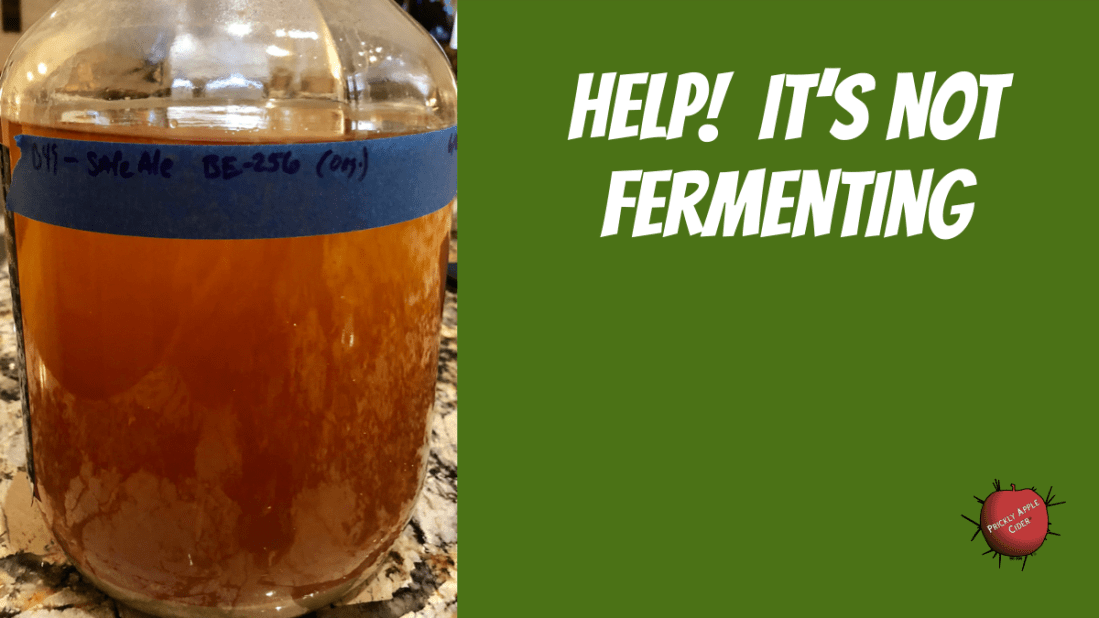
Fresh pressed apple and pear juice will naturally have the microflora (yeast and bacteria) to ferment into hard cider. For many people, they use these natural organisms to create great hard cider. For others, they want to control the flavors and process and will use commercial yeast. In both cases some people use Campden tablets, … Continue reading Help! My cider isn’t fermenting.