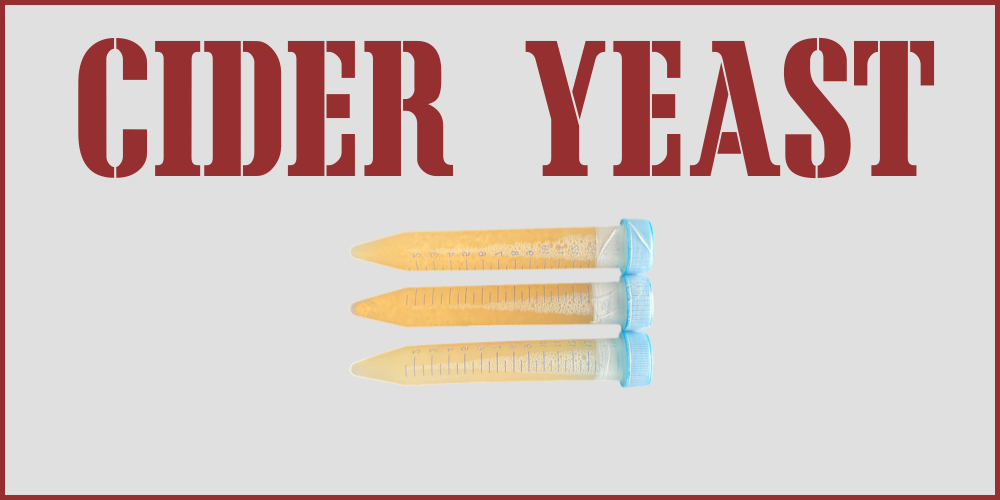
I have returned from my European adventure and am back home in Southern Arizona. Therefore, I am again shipping cider yeast to those in the contiguous United States. You may remember that I was experimenting with various non-Saccharomyces yeast strains (search “non-Saccharomyces” below for more of those articles) from the USDA culture center in Illinois. … Continue reading Exploring Non-Saccharomyces Yeast: Cider Yeast
Making Rosé Cider
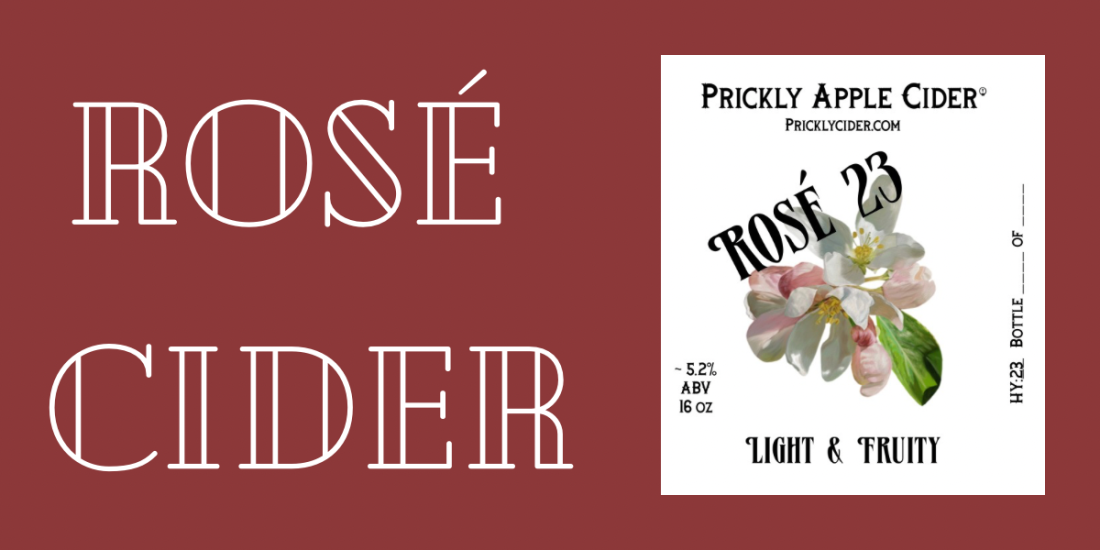
As I noted in an earlier post on Rosé ciders, I was surprised to find so many during a visit to Normandy, France. I even saw some of the red-fleshed apples, which they use, growing in an orchard. Red or pink fleshed apples are a great option for making a rosé. However, if you are … Continue reading Making Rosé Cider
Rosé Cider
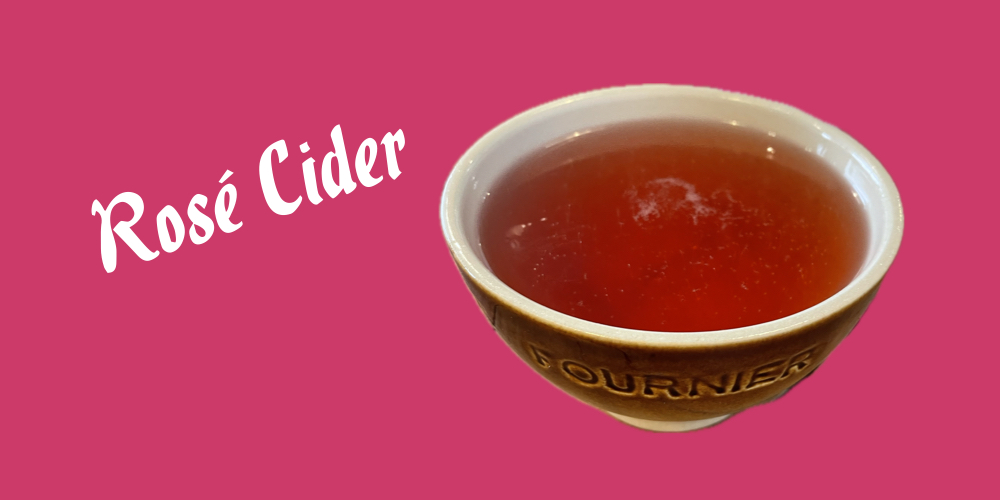
Rosé wine is made by allowing the grape juice to macerate and even partially ferment on the grape skins to extract some anthocyanins and produce a pink to light red color of wine. For cider, you actually have two methods for producing a pink or red cider. Unlike grapes, there are red and pink apples. … Continue reading Rosé Cider
PricklyCider Update
If you are wondering where your regular PricklyCider articles have gone, let me say life changes! We embarked on a new life journey, which shifted some of my priorities around. I am thinking of it as my cider sabbatical. I expect it to last a little longer but I have still been pursuing my passion … Continue reading PricklyCider Update
Cider Musings: Wild or Natural
We have probably all heard the idiom "You say toe-mah-toe, I say toe-may-toe". Is that like saying a wild ferment and a natural ferment? Are they the same or do they mean different things? What about commercial yeast? As these errant thoughts started swirling in my head, I thought this is the perfect topic for a Cider Musing. I can … Continue reading Cider Musings: Wild or Natural
Cider Quiz Answers: Question #10
Spoiler Alert: If you haven’t taken Cider Quiz #1, click here to take it before exploring the answers. Question #10, the final question in the quiz, is at the root of both challenges and opportunities for the cider maker as it explores the difference between hard cider and wine. You will find various articles about the uniqueness … Continue reading Cider Quiz Answers: Question #10
Cider Quiz Answers: Question #9
Spoiler Alert: If you haven’t taken Cider Quiz #1, click here to take it before exploring the answers. Question #9 explores the process of maceration, where pomace is left to sit for a time before pressing. As you might expect, you can find more details about maceration and apple peels in the articles at the bottom of … Continue reading Cider Quiz Answers: Question #9
Cider Quiz Answers: Question #8
Spoiler Alert: If you haven’t taken Cider Quiz #1, click here to take it before exploring the answers. Question #8 explores malolactic fermentation (MLF). You will find various related articles, including one specifically focused on this questions at the bottom of this page. Question #8: How do you encourage malolactic fermentation (MLF) in your cider? Malolactic Fermentation (MLF) … Continue reading Cider Quiz Answers: Question #8
Cider Quiz Answers: Question #7
Spoiler Alert: If you haven’t taken Cider Quiz #1, click here to take it before exploring the answers. You will find some related links about apples, blending, and varieties at the bottom. These contain related and interesting information about apples that you may not have known. Question #7: What are the three main categories of apples based on … Continue reading Cider Quiz Answers: Question #7
Cider Quiz Answers: Question #6
Spoiler Alert: If you haven’t taken Cider Quiz #1, click here to take it before exploring the answers. I included links to various articles about the methodology for estimating the %ABV of your cider as well as some of the tools you can use to measure specific gravity. Question #6: How much sugar is dissolved in your … Continue reading Cider Quiz Answers: Question #6