You may have noticed some changes to the Recipe Page on PricklyCider.com. If not, check it out here. I used to list the recipes by alphabetical order. As the number of recipes has grown over the years, I thought it might make more sense to group them by cider type and then alphabetical order. Someday, I may need to divide them into sub-types, but I need quite a few more before that makes sense. So, what are the cider types? If you have read my book or some of my other posts, you may recall that I put cider into three types. Those types are Traditional, Adjunct, and Dessert.

Traditional Cider
Traditional cider or perry recipes use only apples and pears. You can use a wild fermentation or inoculate with yeast. Remember that all yeast started as wild and they were simply harvested and propogated. However, a traditional cider doesn’t include other ingredients (adjuncts). That includes oak or wood. Some view barrels as traditional, but they really are a type of adjunct. If you look at the oldest known containers, they aren’t wood barrels but clay vessels. Wood impacts aromas and flavors and traditional cider recipes should be just about the apples and/or pears and the yeast.
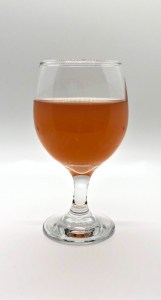
They can seem simple in the number of ingredients, but they are some of the most challenging and rewarding hard ciders you can make. You have to understand your fruit and yeast to release the full potential of both. They can also be extremely diverse. The blending of apple varieties and the selection of yeast dramatically influences the aroma and flavor profile of your cider. For example, I recently made three batches of cider using the same juice base but with three distinct yeasts. One was fruity, one was phenolic, and one was tart. They were all traditional. It’s easy to see where subcategories might evolve. For example, besides the aroma or acidity of a cider, color could define a subcategory. Traditional Ciders can be pale or silver cider that is fruity or a dark amber cider with lots of tannins. The challenge is that you can also have amber and fruity or golden and phenolic ciders. Any apple can be used to make great cider, but which apples you use along with the yeast you select, will define the final characteristics of your Traditional Cider. Check out this section for ideas on some of Traditional Ciders that I’ve made.
Adjunct Cider
Adjunct ciders contains ingredients other than just apples and/or pears. These ingredients can be other fruits like cherry, citrus, berries, or even banana. They can also be spices, herbs, or vegetables. Common examples include hops, cinnamon, ginger, rhubarb, peppers, and tea. There are lots of different adjuncts. I include wood, either barrels or pieces, when the point is to influence the flavor profile. If you are using an old completely neutral barrel because it has the microflora inoculation you want or it’s a convenient container, that would be a traditional cider because you are simply using the barrel as a container. If you want to impart some of the wood compounds to the cider, it’s an adjunct. The intent with adjuncts is to influence the aroma and flavor profile of the cider. These can be very fun to make as you can combine unique flavors that you just can’t create in a traditional cider. Flamin’ Hops is an example of a cider recipe that you can’t create without adjuncts. They can also allow you to highlight local ingredients. How many people can make a pirickly pear cider?
Adjuncts can be just as challenging to make as traditional ciders. For example, it can be hard to get the right levels of spice when using peppers or how do you avoid spices from becoming bitter. Retaining strawberry or raspberry flavor is another example of how challenging adjuncts can be. Adjuncts can also be your best friend. Did your traditional cider come out a little too tart or dry? Maybe some raspberries or oak would help create the balance you need for that cider. I recommend being inspired by adjuncts but also embracing them to improve your ciders. Adjuncts allow us to be creative in a different way from Traditional Ciders. Airplanes have shrunk our world by bringing a vast number of cultures into close contact. In food we often call this collision of cultures as a fusion. It’s a positive word that is embraced. Adjuncts Ciders are the same creative fusion. They should call us to experiment and we should embrace their creative spirit. Do not be afraid of the adjuncts.
Dessert Ciders
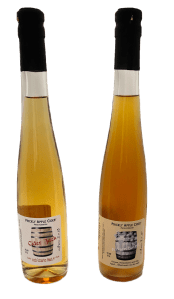
The final type of ciders is Dessert. This last category is for those ciders that have high levels of alcohol. Why not call them wine or fortified ciders. Well, they can be more than wines and are not always fortified. Sure you could chaptalize apple juice and create an apple wine, but what about ice cider or freeze concentrating apple juice. What about fortifying ciders to stop fermentation versus after fermentation completes. What about fortifying juice. Respectively, I call these last two mistelles and pommeaus. The common characteristic is that they all have higher levels of alcohol. They also tend to make great pairings for the dessert course. This seemed a better way to categorize them because the higher level of alcohol can come from adding sugar, honey, or using concentrated juice. It can also come from fortifying with spirits. The end result is a hard cider that has a much higher level of alcohol from a normal or adjunct cider. Again, there can be a large number of subcategories. Think of augmenting Traditional or Adjunct Ciders in a way that increase their alcohol level. In some cases, like pommeau, they might not even be fermented cider but fortified juice. The Dessert Cider recipes offer you ways to be creative while creating a more potent cider to enjoy.
You might argue that only Traditional Ciders are “Real Ciders”. I like to be more open with my definitions because I believe creativity will lead the industry forward. I also believe that forward doesn’t diminish the past. It actually helps to shine the light on it. It’s why we need all three types of ciders: Traditional, Adjunct, and Dessert. Through these three types, we can explore and embrace both the history of cider and its future. I hope you enjoy the new page layout and that the “recipes” will inspire you to explore the past and seek the future. If it’s cider, it can’t be bad.
Did you enjoy this article? Don’t miss future posts from PricklyCider.com by following us today! PricklyCider.com is your source for all things cider.



 PricklyCider.com