Yeast DNA

Mālus Trivium Page Top

Saccharomyces Cerevisiae: DNA Sequenced in 1996 Saccharomyces cerevisiae was the first eukaryotic to have its DNA sequenced(1). It all started in 1992 when the first chromosome (III) was sequenced and published. 15 more chromosomes followed between 1994 and 1996 completing all 16 chromosomes found in the yeast. This effort was accomplished through a collaborative effort … Continue reading Yeast DNA

Mold: The What, Why, and How of It.

Mold: The What, Why, and How

Mold... Just the name can conjure up bad images and usually, it’s not something that is positive. There are a few positive occurrences, think cheeses like blue or Gorgonzola, where the mold makes that pungent flavor that many enjoy. However, for hard cider making, mold is usually associated with things not going the way they … Continue reading Mold: The What, Why, and How of It.

Yeast: Killer Factor

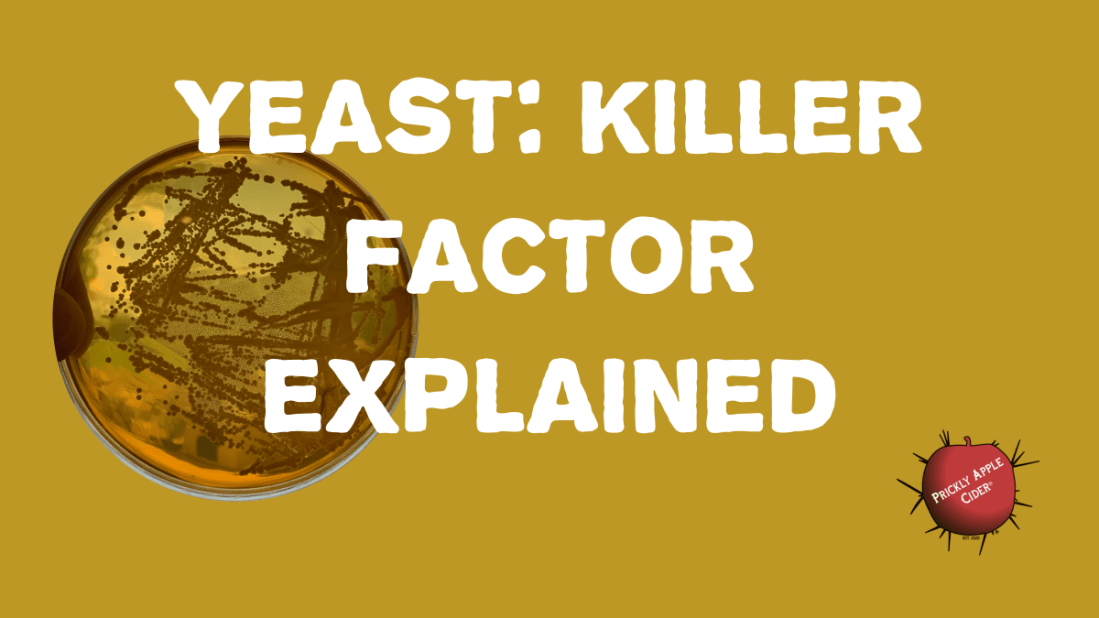
Yeast Killer Factor: What does it mean and how could it impact your cider.

Killer Factor is not a measurement of the health risks associated with using a yeast in your fermentation. Instead, it is an assessment of how dominant a yeast can be in your fermentation. You may find commercial yeast strains labeled as one of four types. Killer (K)Sensitive (S)Neutral (N)Killer-Sensitive (KS) However, you may wonder what … Continue reading Yeast: Killer Factor

The 3-Phases of Natural Fermentation

Mālus Trivium Page Top

The phases of a wild/natural cider fermentation Apple juice fermented using its native microflora (yeast and bacteria) or what is sometimes called a wild fermentation, normally goes through three natural phases(1). Note that the length of each phase is impacted by temperature. The chart reflects a fermentation at temperatures of 14-22C (60-72F). The first phase … Continue reading The 3-Phases of Natural Fermentation

Hard Cider Tip #29: Aging on Lees (Sur Lies)

Aging on Lees

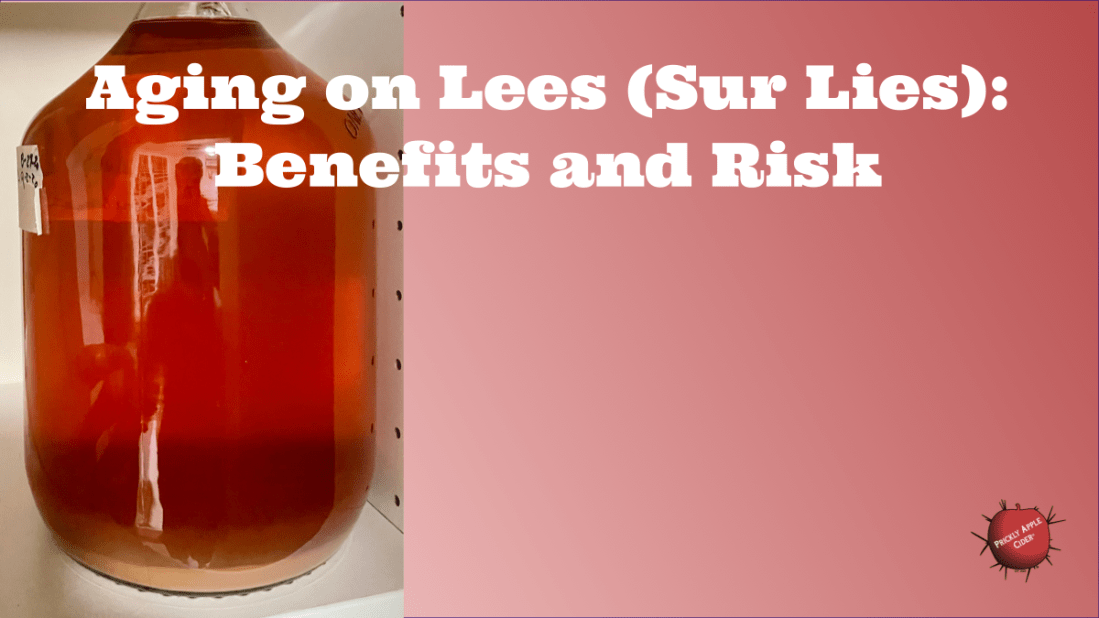
Aging on lees, also called ‘sur lies’, is a traditional practice for many wines and hard ciders. In Burgundy, France, there is a saying that translates something like ‘lees for wine is like a mother for a child’. The concept being that just like a mother nurtures their child, so to do lees nurture a … Continue reading Hard Cider Tip #29: Aging on Lees (Sur Lies)

Hard Cider Tip #27: Clear or Cloudy Juice

Clear or Cloudy

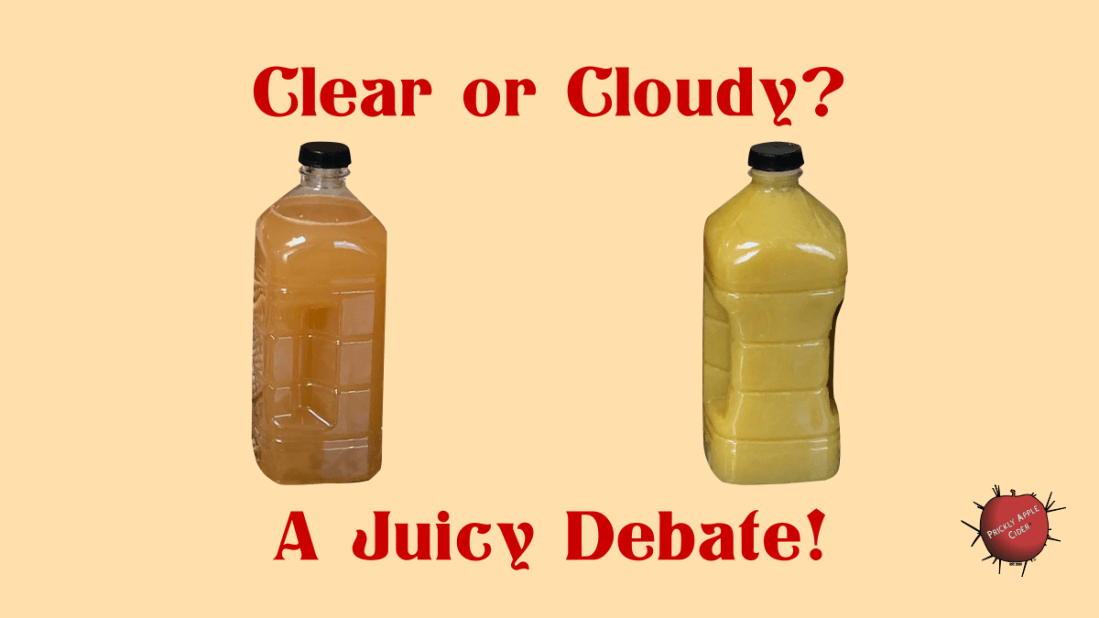
I hope you are finding the information you need. Please don’t hesitate to leave me a comment or contact me if you have specific questions. To make the best hard cider, should juice be crystal clear or should it be cloudy? Have you even thought about it much? If you have read some of my … Continue reading Hard Cider Tip #27: Clear or Cloudy Juice

When is fermentation complete?

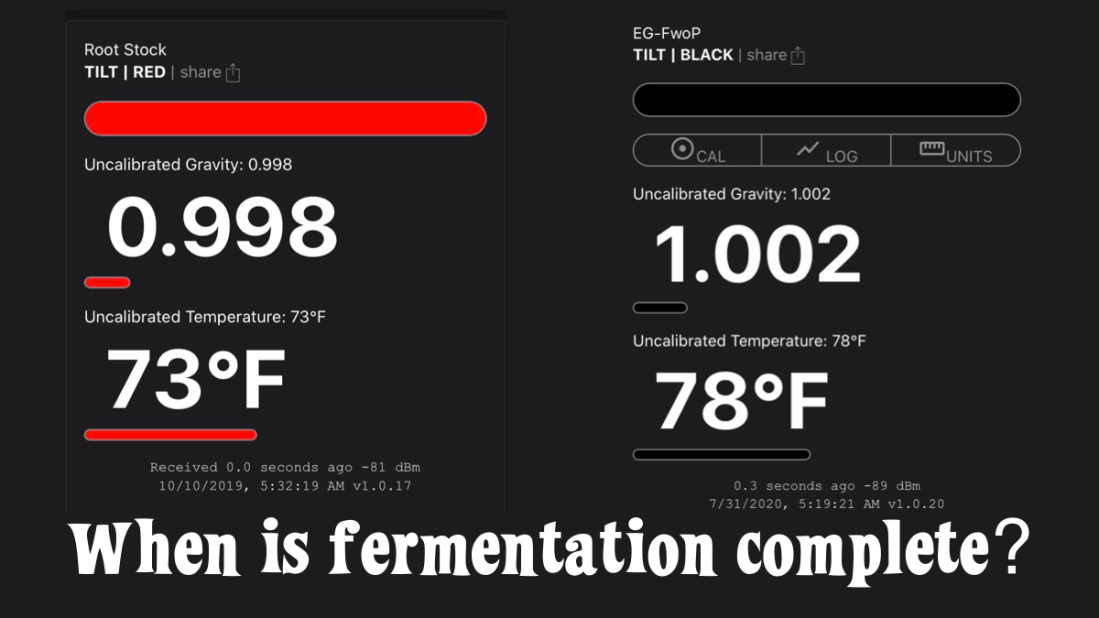
I often see questions online from people wondering whether their hard cider is done fermenting. I have written several post about elements of fermentation and I am certain I will write more. But, I’ve never specifically talked about the point when fermentation is complete. Let’s first cover some terms that often get used when talking … Continue reading When is fermentation complete?

Hard Cider Tip #23: Reusing Yeast

Harvesting Yeast

This is the first year I have harvested my yeast for reuse. Since I splurged on some liquid yeast from White Labs and Omega, I thought it would be an interesting experiment. I also have an idea about trying to evolve a yeast using selective pressure through bottom cropping of early attenuating colonies. This also … Continue reading Hard Cider Tip #23: Reusing Yeast

Hard Cider Tip #11: Testing Yeast

Experimenting with yeast.

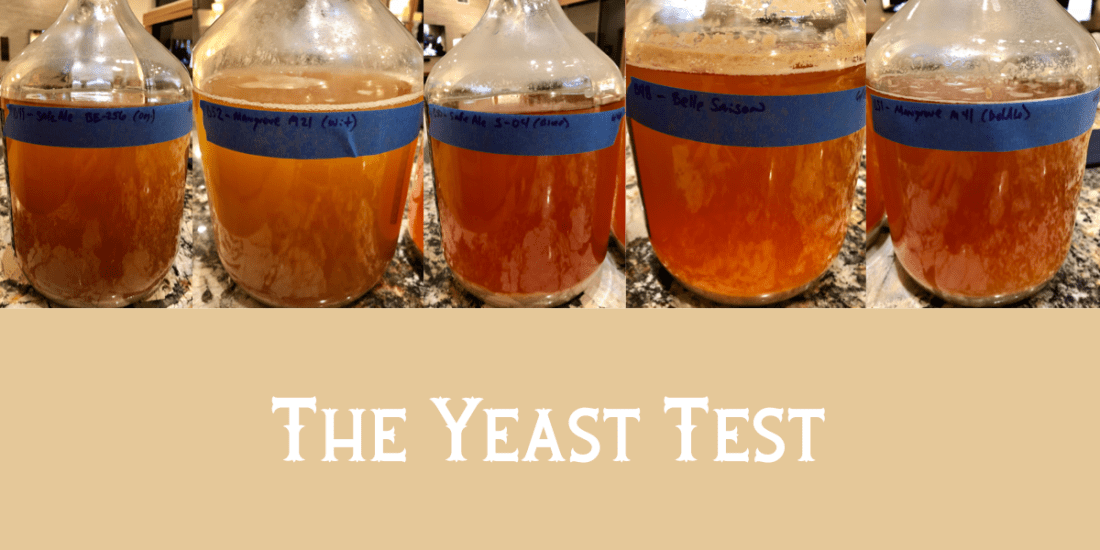
As I’ve previously noted in other posts, yeast are part of the fungus family. They are a single cell microorganism. Micro meaning microns in size. They are also what convert sugars into alcohol and CO2. The world is full of yeast and you can cultivate these to ferment your hard cider, which is known as … Continue reading Hard Cider Tip #11: Testing Yeast

Hard Cider Tip #10: Stuck Fermentation

Stuck Fermentation

What is a stuck fermentation? When making hard cider, a stuck fermentation refers to a situation where the juice or partially fermented cider has sugar present but the yeast is unable to process it. Sometimes, this might have been your plan. Other times, this is your problem. This hard cider tip is intended to demystify … Continue reading Hard Cider Tip #10: Stuck Fermentation