I have sampled a few ciders over the years and I have worked to develop a more discerning palate. It hasn’t been easy. For many years, I wasn’t open to trying new things. However, I now seek out the new and unique, especially when it comes to fruits and vegetables. I do this partially as … Continue reading Cider Tasting – Common Faults
Tag: yeast
Alternative Cider Yeast: Pichia kluyveri Overview
Pichia kluyveri is found on many types of fruit but also on the fleshy part of the plant(1). Several isolated strains came from prickly pears in Arizona and California, which I appreciate given where I currently live. However, it was also isolated from olives and is very common on apples as well as coffee. It … Continue reading Alternative Cider Yeast: Pichia kluyveri Overview
Decoding Yeast Genes: Fermentation Characteristics
Key Genes for Fermentation Why do some yeast die during fermentation or only ferment certain types of sugars? Have you ever thought about why some yeast produce hydrogen sulfide (rotten egg smell) and others don’t? It’s all in the genes. As discussed in other Mālus Trivium posts, the Saccharomyces cerevisiae yeast DNA genome was sequenced … Continue reading Decoding Yeast Genes: Fermentation Characteristics
Cider Yeast Bread
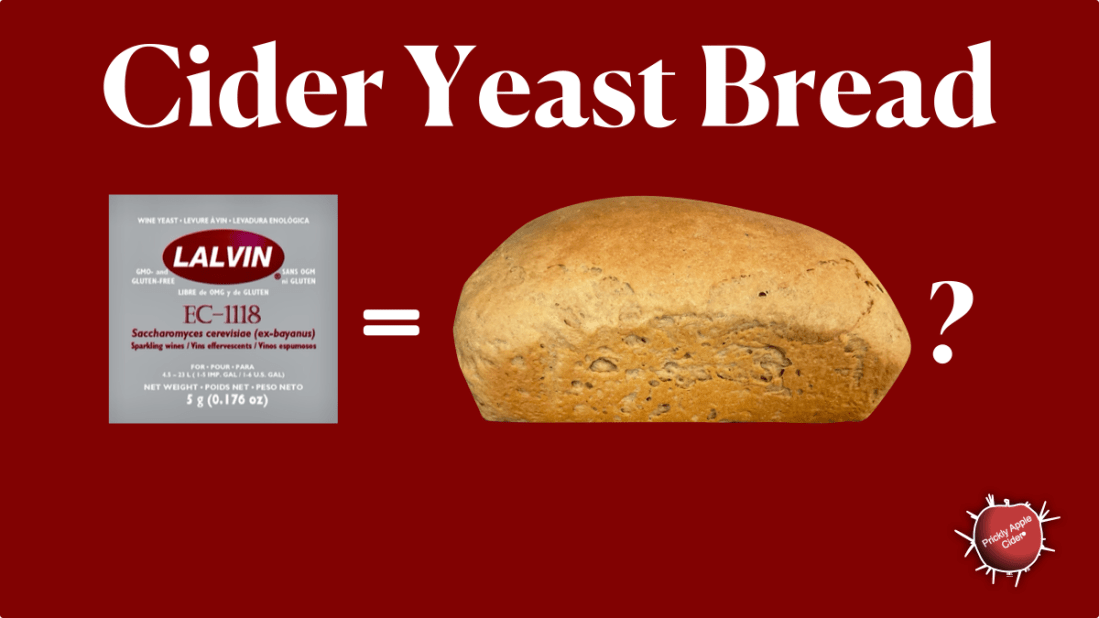
Have you ever wondered how the yeast used to make bread is different from that used to make cider, beer, and wine? First off, the standard yeast used for most fermented food products is Saccharomyces cerevisiae. So, fundamentally, the yeast has the same basic characteristics. However, just like yeast have different characteristics when fermenting wine … Continue reading Cider Yeast Bread
Ehrlich Pathway Explained
Ehrlich Pathway: Fusel Alcohol Creation Fusel alcohols or what are also called higher alcohol add aromatic complexity to hard cider and other fermented beverages. Yes, too much of them can lead to undesirable or overwhelming flavors. But, like all things in life, moderation is the spice of life. While most Yeast Assimilable Nitrogen comes from … Continue reading Ehrlich Pathway Explained
Amino Acids: The Key to Great Hard Cider
Amino Acids in Hard Cider If I asked you to identify one of the most important compounds found in apple juice that impacts the quality of your hard cider, what would you answer? Would you say the sugar? Maybe you would advocate for the yeast. However, I would argue that the key compounds in your … Continue reading Amino Acids: The Key to Great Hard Cider
Mannoproteins in Cider
Yeast Cell Wall - Mannoprotein Structure What are mannoproteins and why would they be important to hard cider? Mannoproteins are a combination of polysaccharides and proteins bound up in the yeast cell wall. They are connected to the cell membrane that surrounds the yeast. This membrane retains all the key parts of a yeast cell … Continue reading Mannoproteins in Cider
Glycerol: The Benefit of Non-Saccharomyces Yeast
Glycerol & Non-Saccharomyces Yeast Much of my recent research and reading has been on yeast, especially non-Saccharomyces genera. Wine, beer, bread, and most commercial food fermentation is performed by the Saccharomyces cerevisiae genus. But, there is a new push to explore and use non-Saccharomyces strains, especially in wine making. The biggest reasons are 1) aroma … Continue reading Glycerol: The Benefit of Non-Saccharomyces Yeast
Alternative Cider Yeast: Starmerella bacillaris (Candida zemplinina) Overview
Originally isolated from grapes in California in 2002 and classified as Candida zemplinina in 2003. It was later changed to Starmerella bacillaris. The two samples I obtained from the USDA were logged under Candida zemplinina. Like many yeast, the advent of DNA sequencing has helped better classify many different yeast strains. However, recognize that you … Continue reading Alternative Cider Yeast: Starmerella bacillaris (Candida zemplinina) Overview
Respiration versus Fermentation
What is respiration and how is it different from fermentation? Have you ever heard that oxygen is bad and to avoid oxygen exposure when fermenting hard cider? It is or at least it can be. Yes, this is another one of those questions where the answer is, it depends. Generally speaking, yeast have two main … Continue reading Respiration versus Fermentation