The impact of temperature on yeast fermentation. Temperature has a big impact on how yeast ferment. In fact, it can even prevent yeast from fermenting. Pasteurization is the extreme example on the hot side that can kill yeast. Cold can also prevent or slow yeast strains from fermenting but, it doesn’t tend to kill the … Continue reading The Impact of Temperature on Yeast Fermentation
Tag: yeast
Sulfur Dioxide (SO2) Tolerance
Generalization of how tolerant various microorganisms are to free SO2. Sulfur dioxide (SO2) has the ability to weaken the cell walls of organisms resulting in their death or inability to function. It can also react and bind with phenolic and other compounds impacting color, sweetness, bitterness, and astringency. SO2 tolerance is the ability of an … Continue reading Sulfur Dioxide (SO2) Tolerance
The Headspace Conundrum
Headspace is the amount of air or open space you have in your container above the liquid. A common question when making cider is how much headspace should you have in your fermenter for primary fermentation? The next question is usually how much you should have when aging your hard cider. There are several considerations … Continue reading The Headspace Conundrum
Fermentation Stages of Yeast
It is common to talk about fermentation in stages and often there are three stages identified. If you are talking about a wild or natural fermentation, those stages might be how initially non-Saccharomyces strains start the fermentation. This is followed by Saccharomyces yeast that complete fermentation. The final stage is maturation where Brettanomyces strains often … Continue reading Fermentation Stages of Yeast
Cider Words: Glucophilic & Fructophilic
Glucophilic and Fructophilic An interesting aspect about yeast is the preference it has for types of sugar. Most yeast prefer glucose so they are what is called glucophilic. The most common fermentation yeast, Saccharomyces cerevisiae, used for wine, beer, and bread is generally glucophilic. While many strains are capble of processing glucose snd fructose, some … Continue reading Cider Words: Glucophilic & Fructophilic
Yeast Starter for Cider
A yeast starter is used to increase the biomass of a yeast and to ensure the yeast cells are healthy and ready to ferment. It is how you grow more yeast cells to ensure you have enough for a robust ferment and to ensure the yeast cells you are using are healthy and full of … Continue reading Yeast Starter for Cider
Cider Words: Autophagy
Autophagy: The process where yeast begin consuming themselves in order to stay alive during times of starvation. Have you ever heard of autophagy before? No? Don’t worry, I had never heard about it until I read chapter two of Molecular Wine Microbiology(1). Autophagy is strongly linked to autolysis, which I covered in an earlier Mālus … Continue reading Cider Words: Autophagy
Yeast Propagation for Cider
Whether you use commercial yeast or wild yeast, you really should be thinking about yeast propagation. Yeast propagation is the process of taking a small yeast sample, usually from a plate or slant and growing it until you have enough to pitch into your juice to make cider. You might be thinking, that sounds like … Continue reading Yeast Propagation for Cider
Lipids and Cider
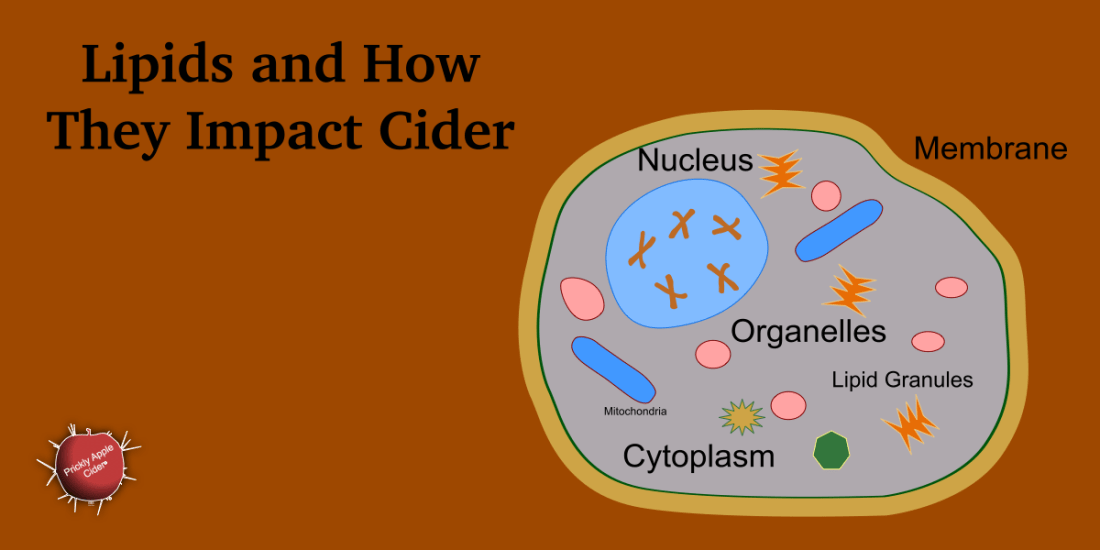
COVID-19 has brought an interesting term to our attention that most of us probably never heard before the advent of the vaccines being hailed as modern miracles. That term is lipids. Lipids are why the Pfizer and Moderna vaccines require special refrigeration and a key part of how they work. This is all well and … Continue reading Lipids and Cider
Cider Words: Yeast
Words related to yeast and their impact on hard cider When making hard cider, the yeast you are using is a critical component. Therefore, I thought a great “Cider Word” article would be to review some of the key but uncommon words that describe the science around how the yeast in your cider works. Familiarizing … Continue reading Cider Words: Yeast