Cider Yeast Bread

Making bread from cider yeast.

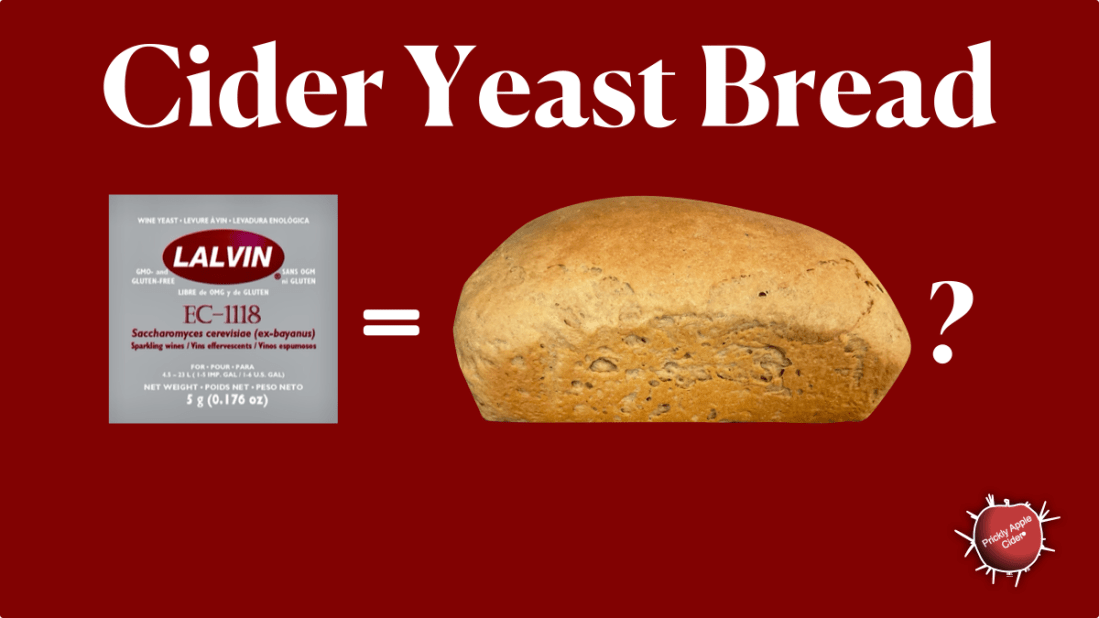
Have you ever wondered how the yeast used to make bread is different from that used to make cider, beer, and wine? First off, the standard yeast used for most fermented food products is Saccharomyces cerevisiae. So, fundamentally, the yeast has the same basic characteristics. However, just like yeast have different characteristics when fermenting wine … Continue reading Cider Yeast Bread

Ehrlich Pathway Explained

Mālus Trivium Page Top

Ehrlich Pathway: Fusel Alcohol Creation Fusel alcohols or what are also called higher alcohol add aromatic complexity to hard cider and other fermented beverages. Yes, too much of them can lead to undesirable or overwhelming flavors. But, like all things in life, moderation is the spice of life. While most Yeast Assimilable Nitrogen comes from … Continue reading Ehrlich Pathway Explained

Making Black & Gold Cider

Black & Gold Cider

Black & Gold Cider Label Black & Gold Cider is made from two of my favorite apples: Arkansas Black and GoldRush. I enjoy eating them, though I recommend cutting up the Arkansas Blacks as they can be a little hard. However, they both have a fair amount of tannins and acid as well as aroma. … Continue reading Making Black & Gold Cider

Alternative Cider Yeast: Starmerella bacillaris (Candida zemplinina) Overview

Starmerella bacillaris: Alternative Cider Yeasts

Originally isolated from grapes in California in 2002 and classified as Candida zemplinina in 2003. It was later changed to Starmerella bacillaris. The two samples I obtained from the USDA were logged under Candida zemplinina. Like many yeast, the advent of DNA sequencing has helped better classify many different yeast strains. However, recognize that you … Continue reading Alternative Cider Yeast: Starmerella bacillaris (Candida zemplinina) Overview

Respiration versus Fermentation

Mālus Trivium Page Top

What is respiration and how is it different from fermentation? Have you ever heard that oxygen is bad and to avoid oxygen exposure when fermenting hard cider? It is or at least it can be. Yes, this is another one of those questions where the answer is, it depends. Generally speaking, yeast have two main … Continue reading Respiration versus Fermentation

Making Winter Cider

Winter Cider: Experimenting with Fermentation Temperature

Winter: Lager yeast fermented hot and aged on hickory. One day I woke up with a crazy idea for a hard cider recipe. Okay, it’s more than one day but, sometimes they actually work. I had been reading about fermentation temperatures and whether hotter or colder fermentations are better. I noted that much of the … Continue reading Making Winter Cider

Alternative Cider Yeast: Hanseniaspora uvarum Overview

Alternative Cider Yeast: Hanseniaspora uvarum

This is the second of the non-Saccharomyces cerevisiae yeast that I plan to explore next season. In my first post on alternative yeast for hard cider, I covered Lachancea thermotolerans. A yeast that was misclassified for over 70 years before being identified through gene sequencing in 2003. This post is about Hanseniaspora uvarum, which is … Continue reading Alternative Cider Yeast: Hanseniaspora uvarum Overview

Alternative Cider Yeast: Lachancea thermotolerans Overview

Alternative Cider Yeast: Lachancea thermotolerans Overview

As I noted in my Mâlus Trivium post about potential alternative yeast for hard cider, there are several I plan to trial for the next season so I thought I would highlight each. One of those is Lachancea thermotolerans. The Lanchancea genus is a relatively newcomer from a classification perspective. In 2003, a new multi-gene … Continue reading Alternative Cider Yeast: Lachancea thermotolerans Overview

Yeast Impact on Sugar and Acids

Mālus Trivium Page Top

Yeast impact on residual sugar and acid in cider. While the research by M. Lorenzini and associates was done to assess the impact of yeast on volatile compounds in hard cider(1), I found it interesting for another reason. As part of the study, they noted the amount of ethanol each yeast produced and the corresponding … Continue reading Yeast Impact on Sugar and Acids

The Source of Rotten Egg Smells (H2S) in Cider

Mālus Trivium Page Top

That rotten egg smell is hydrogen sulfide and there are 3 common ways it’s created. Have you ever made a hard cider and noticed a rotten egg smell? That is hydrogen sulfide (H2S). Saccharomyces cerevisiae, the most common yeast used to ferment hard cider, wine, and beer, can create hydrogen sulfide through 3 main pathways(1). … Continue reading The Source of Rotten Egg Smells (H2S) in Cider