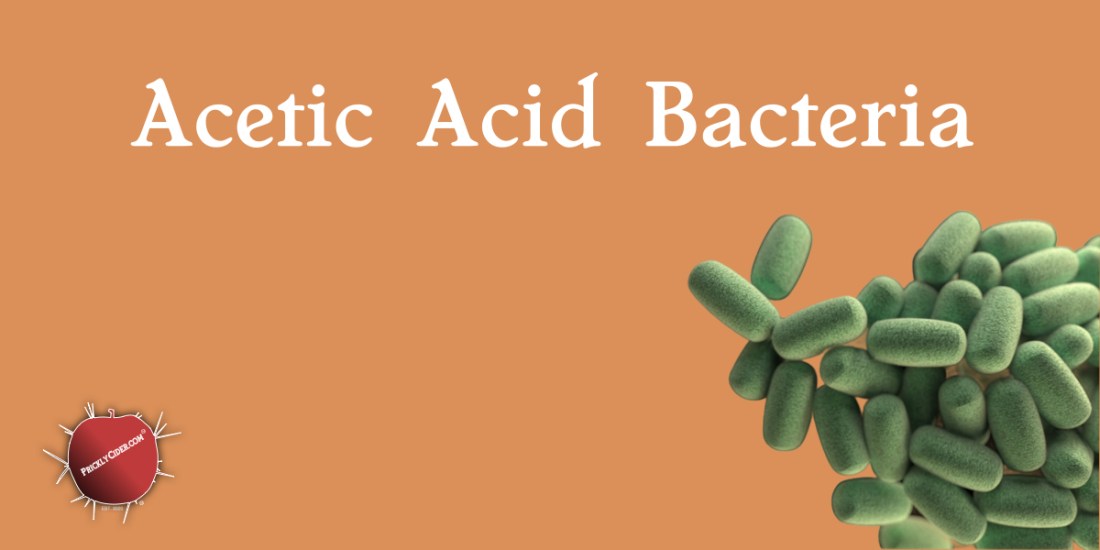
Acetic acid is generally considered one of the most undesirable compounds found in cider. In very small doses, it can have a positive impact but in general, it is something you should try to avoid because of the vinegary aroma and taste it can produce. You might think that the most common producer of acetic … Continue reading The Overview: Acetic Acid Bacteria
Tag: AMT
The Overview: Lactic Acid Bacteria
In other articles, I described how the apples and yeast you use are the two most important elements in defining the quality of your hard cider. However, there is another component that might be equally as important but it’s often overlooked in most cider books and discussions. My hypothesis is that this is because most … Continue reading The Overview: Lactic Acid Bacteria
Volatile Acidity Versus Vinegar
Languages often have multiple words that can mean the same thing. They also have words that can mean many different things depending on the context or situation in which they are used. Saying it is chilly, cool, or brisk this morning basically means the same thing. You might want a jacket. The temperature is low. … Continue reading Volatile Acidity Versus Vinegar
The Essence of Cider
As you relax on your patio enjoying one of your home crafted ciders, have you ever started pondering what really creates it. The taste and ultimately, the quality is determined by the numerous compounds found in your cider. These can include esters, fusel alcohols, acids, and a multitude of others. It’s these compounds that define … Continue reading The Essence of Cider
Yeast Derivative Products (YDPs) & Aroma
Yeast Derivative Products (YDPs) can aid with fermentation by providing nitrogen and nutrients and with clarity by binding with colloidal compounds. But recent research has been focusing on how they can impact aroma. Remember that YDPs are just inactivated yeast developed to provide specific reactionary compounds. YDPs are made by using heat, enzymes, or even … Continue reading Yeast Derivative Products (YDPs) & Aroma
Cider Words: Yeast Derivative Products (YDPs)
Yeast Derivative Products (YDPs) can aid fermentation, turbidity, and aroma. Have you ever heard of Yeast Derivative Products (YDPs)? If you are exposed to the wine industry, you have probably come across them as they are becoming more widely used in that industry. Rarely do I hear about there use in cider. I should clarify … Continue reading Cider Words: Yeast Derivative Products (YDPs)
Aging Cider with Oak
I did a previous experiment using heavy toasted French and American oak on a cider to see if we could recognize a difference in the aromas. This led to using oak more often and to even start experimenting with different wood, like maple, hickory, and birch. Wood is a great adjunct for cider. Besides adding … Continue reading Aging Cider with Oak
Phenolics and Cider
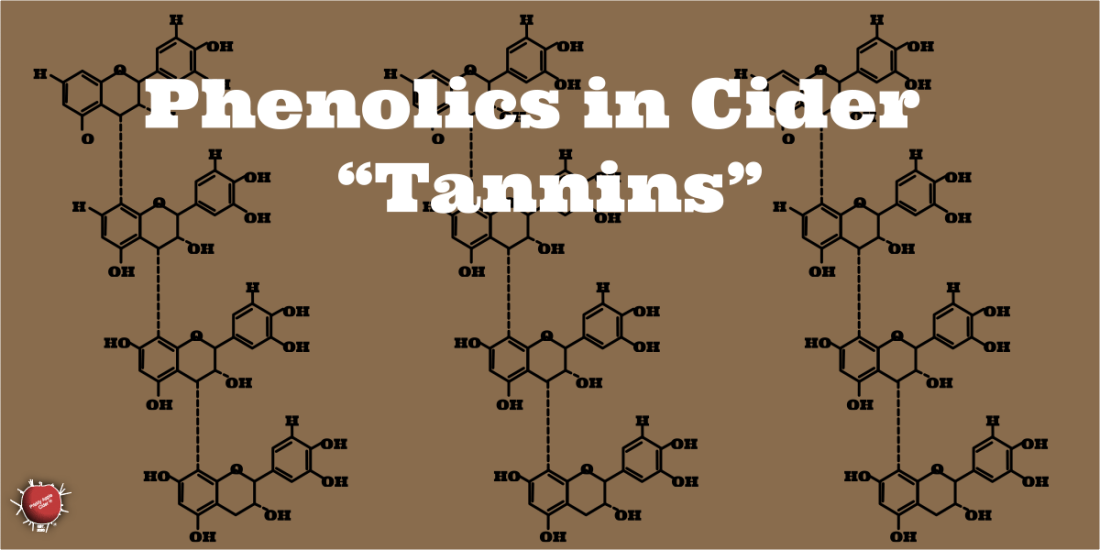
What exactly are phenolics? Are they tannins? I don’t think there a simple answer. If I told you there are two basics compounds, flavonoid and non-flavonoid types of phenolics, would that clarify it? It didn’t for me but, chemistry wasn’t my favorite subject in school. If I broke down the flavonoids into anthocyanins, flavan-3-ols, and … Continue reading Phenolics and Cider
Apple Peel Preparation
I have been harvesting and including apple peels in my hard cider for several years. As I have noted in other articles (see the tips page), peels are an excellent way to enhance the organoleptic properties of your hard cider. Want a darker hue to your cider, include peels from red apples in your fermenter. … Continue reading Apple Peel Preparation
The Overview: Potassium Metabisulfite
If you read some of my other articles on sulfites and sorbates, you will know that I am not an advocate of using Campden, potassium metabisulfite, sulphite, SO2, or whatever other term you use for this preservative and sanitizing compound. The biggest reason I am not an advocate is because I think it’s overused, especially … Continue reading The Overview: Potassium Metabisulfite