Polyphenols: The peel and the core Polyphenols are also often called tannins. These compounds are most associated with the bitterness and astringency of hard cider but can also impact color and mouthfeel. There are several types of polyphenols including flavonoids and phenolic acids. Apples, like most fruit, concentrate polyphenols in the peel and the core … Continue reading Polyphenol Concentration in Apples
Category: Hard Cider
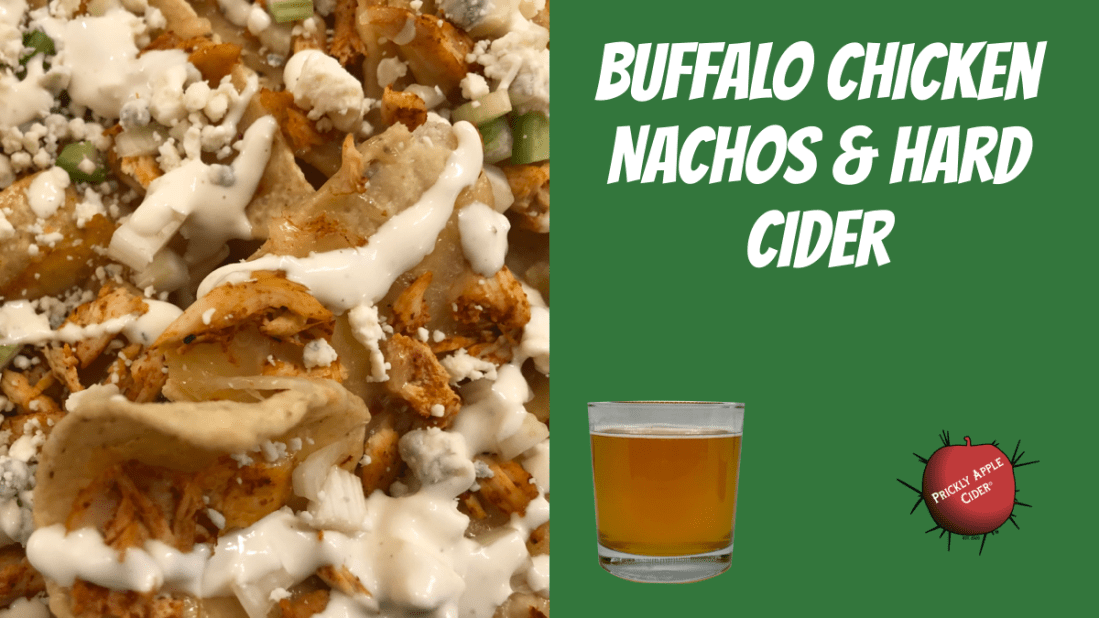
Nachos & Hard Cider: Spicy Hot!
WARNING - HOT FOOD AHEAD! If you don’t like spicy, read my Feast at Home post instead. My wife and I love spicy food and almost everything we make gets a spicy adaptation. She even made a spicy green chili ice cream. This post fits that spicy food theme as we create a new American … Continue reading Nachos & Hard Cider: Spicy Hot!
The Impact of Malolactic Fermentation on Specific Gravity
The impact of MLF on Specific Gravity Malolactic Fermentation, also known as MLF, is the conversion of malic acid to lactic acid by lactic acid bacteria, known as LAB. It was mistakenly called fermentation because of the decarboxylation that occurs in the process. While we tend to think specific gravity measures the sugar in your … Continue reading The Impact of Malolactic Fermentation on Specific Gravity
Hard Cider Tip #31: Estimating Cider %ABV
The Common (Old) Formula for Estimating %ABV %ABV = (OG - FG) x 131.2 You have seen the above formula in numerous online posts and books. I even include it in my book. But, is it the best formula for estimating the percentage of Alcohol by Volume (%ABV) in hard cider? What does it even … Continue reading Hard Cider Tip #31: Estimating Cider %ABV
Cider Oxygenation – The Impact by Process
Cider Oxygenation: The amount of oxygen added to cider by processing It is often stated that you want to avoid oxygen exposure to your hard cider after fermentation begins. While this is a good practice, like most questions related to the production of hard cider, the answer often is it depends. With wine, micro-oxygenation can … Continue reading Cider Oxygenation – The Impact by Process
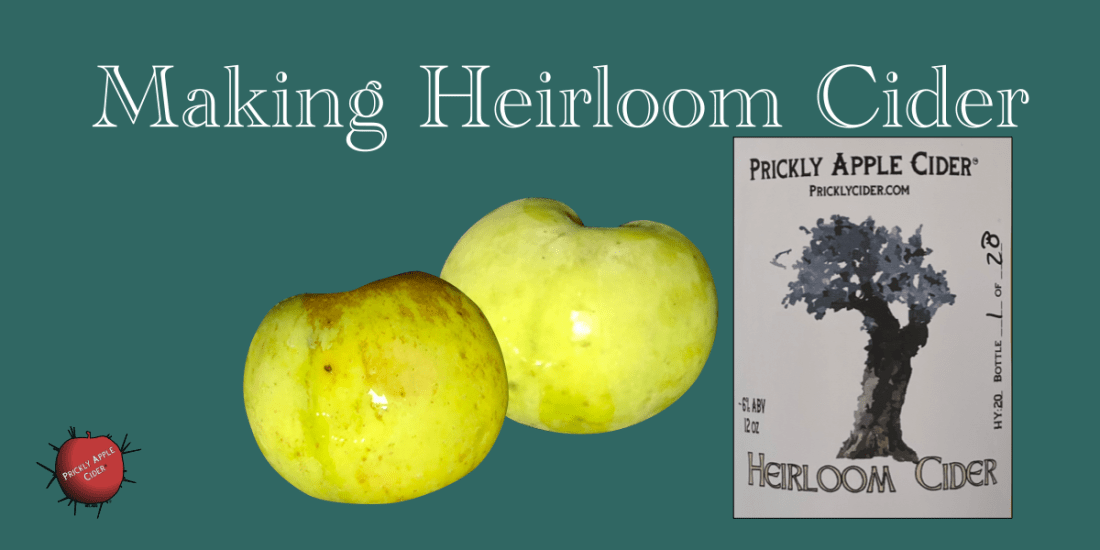
Making Heirloom Cider
Heirloom Cider Label Every season, I seek to try something new. That usually always includes new apple varieties when I can find them. This year I also experimented with yeast and juice clarity. If you will recall from my earlier post on clear or cloudy juice, clearer juices can produce more fruity esters. I incorporated … Continue reading Making Heirloom Cider
Gene Experiments – Sucrose Fermentation
Modifying genes in yeast can impact how it processes sucrose. Sacharomyces Cerevisiae is the most commonly used yeast for wine, beer, bread, and cider maker. When Saccharomyces cerevisiae DNA was sequenced in 1996, there were around 6,000 genes identified. These genes, which are located in the 16 chromosomes, are what define and regulate biological information … Continue reading Gene Experiments – Sucrose Fermentation
Popcorn and Hard Cider II
For this edition of Popcorn and Hard Cider, I took the Zippy Pop pan out of the cupboard and went about crafting a new sweet recipe and a new savory recipe. Of course, you should pair them with hard ciders for your next movie or show binge watching. I am still a huge fan of … Continue reading Popcorn and Hard Cider II
Yeast DNA
Saccharomyces Cerevisiae: DNA Sequenced in 1996 Saccharomyces cerevisiae was the first eukaryotic to have its DNA sequenced(1). It all started in 1992 when the first chromosome (III) was sequenced and published. 15 more chromosomes followed between 1994 and 1996 completing all 16 chromosomes found in the yeast. This effort was accomplished through a collaborative effort … Continue reading Yeast DNA
Pizza and Hard Cider – Part V
In this version of my pizza and hard cider pairings, I’m keeping with the theme of unique crusts and using that as my inspiration for toppings. Like I do for some of my hard ciders, I have been pushing myself to think outside of the box. However, I have been developing some foundational building blocks. … Continue reading Pizza and Hard Cider – Part V