Drinking Cider: Temperature Effect

Temperature Guide for Serving Hard Cider

What is the right temperature to drink a cider? Should it be cold, chilled, warm, or even hot? Yes, you already know my answer, which is that it will depend! Hard cider is not a simple product. In fact, because it’s a relatively young and overlooked beverage in most places around the world, I propose … Continue reading Drinking Cider: Temperature Effect

Cider Words: Yeast Survival Factors

Mālus Trivium Page Top

Yeast Survival Factors: The Impact to Cider Fermentation Yeast Survival Factors are also commonly referred to as oxygen substitutes(1) or anaerobic growth factors(2). These are compounds that ensure yeast viability under stress and ultimately, the survival of the yeast. The compounds include sterols, fatty acids, and peptides. You might be thinking that Yeast Survival Factors … Continue reading Cider Words: Yeast Survival Factors

How Yeast Reproduce

Yeast Reproduction: Asexual Vs Sexual

As cider makers, we tend to think of yeast as our partner in producing wonderful hard ciders. We might inoculate with commercial strains or let the natural microflora go to work. Either option, if you are like me, you associate yeast with fermentation and the ethanol it produces. But, yeast don’t care about producing ethanol … Continue reading How Yeast Reproduce

Cider Words: Yeast Domestication

Mālus Trivium Page Top

Industrial yeasts show signs of domestication that started before yeast were even identified. Industrial yeast, generally Saccharomyces cerevisiae, are used to make numerous alcoholic beverages as well as biofuel and bread. They live in human constructed environments and show signs of domestication. Domestication simply means that an organism adapts to a human constructed environment so … Continue reading Cider Words: Yeast Domestication

A Day at the Orchard: Spring Planting

Planting Last Years Grafted Trees

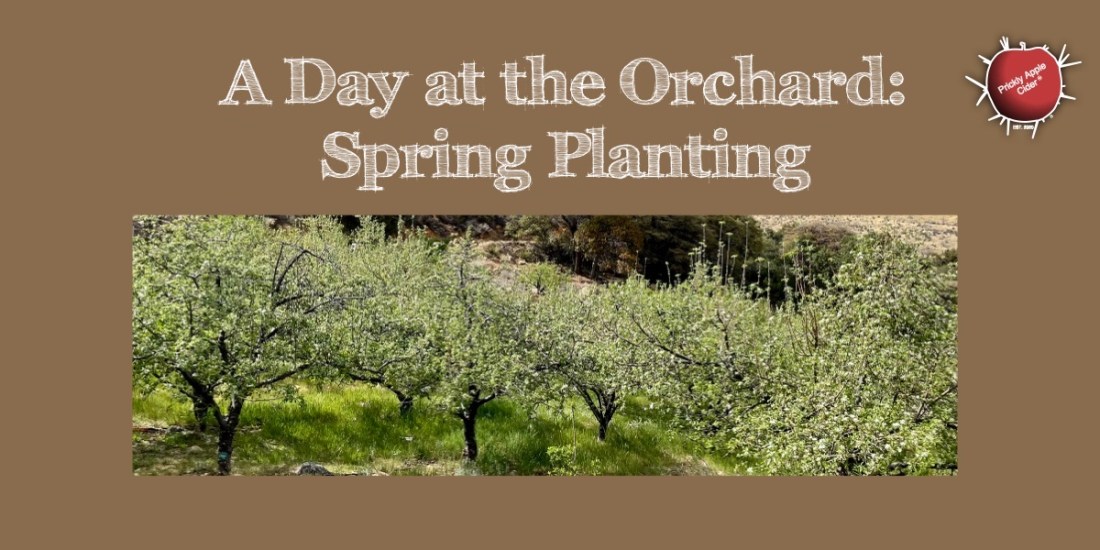
For those of us in the northern hemisphere, it is spring! That means it’s time to head to the orchard and plant some of my grafted trees. While I don’t own an orchard, I am lucky enough that a couple of the owners allow me to plant trees in their orchards. This gives me a … Continue reading A Day at the Orchard: Spring Planting

Cider Words: Mitosis versus Meiosis

Mālus Trivium Page Top

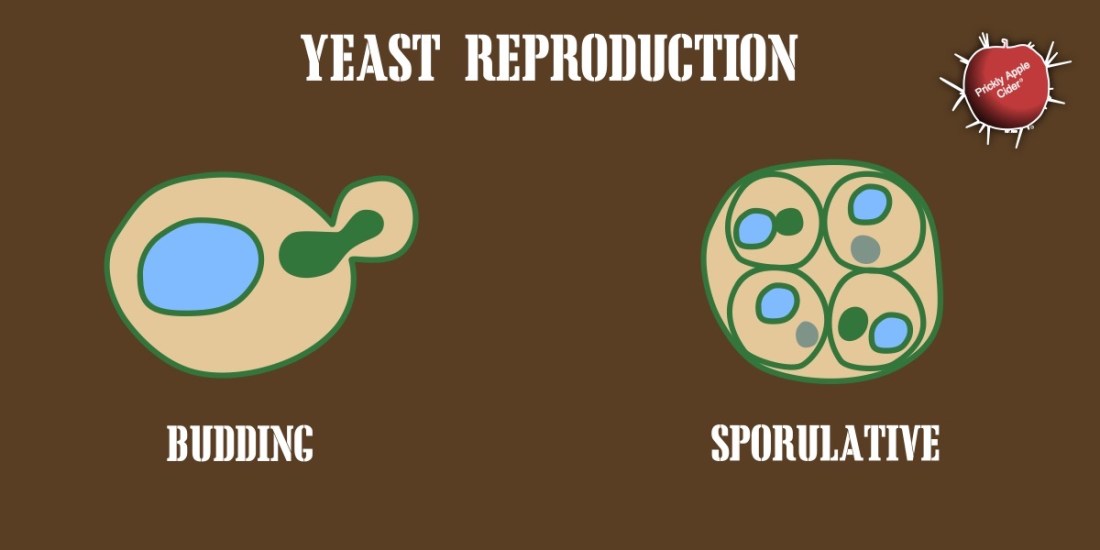
Budding versus Sporulative Most yeast cells are capable of reproducing asexually, a process called mitosis, and sexually, a process called meiosis. The most common form of asexual reproduction for fermenting yeast, especially Saccharomyces cerevisiae, is budding. Asexual reproduction is most common when resources are abundant. Sexual reproduction is generally the process yeast pursue in times … Continue reading Cider Words: Mitosis versus Meiosis

Cider and Natural Sweeteners

Cider & Natural Sweeteners

The quest for a naturally sweet hard cider is like trying to find a four-leaf clover, something sought by many but only found by a few. There are a number of methods, like keeving and nutrient deprivation, that can be utilized. But, while these work, they are not always the simplest method and may not … Continue reading Cider and Natural Sweeteners

Cider Words: Maturation

Mālus Trivium Page Top

Maturation: The time needed to make a cider ready to drink. Maturation is defined as the time it takes cider or wine to become ready to drink. I like to broaden that definition to mean the time a cider is stored without preservatives after primary fermentation finishes. I also often call this aging. You can … Continue reading Cider Words: Maturation

Pizza & Hard Cider: Part X

Pizza & Hard Cider

This marks the 10th official pizza and cider post on PricklyCider.com. Most of these contain 4 homemade sourdough pizza and cider pairings so that is almost 40 pizza options. These pizzas range from veggie to meat lovers, classic to experimental, but they are all packed with flavors and paired with great hard ciders. Many of … Continue reading Pizza & Hard Cider: Part X

Apple Phenolics: Fuji

Mālus Trivium Page Top

Phenolic Compounds of Fuji Apples Fuji is such a common apple that unless you live in the historical cider regions of France, England, or Spain, you will probably be wondering if it makes a good cider. It was developed in Japan in the 1930s and is the offspring of the American Red Delicious and Virginia … Continue reading Apple Phenolics: Fuji