Scotch Eggs and Cider

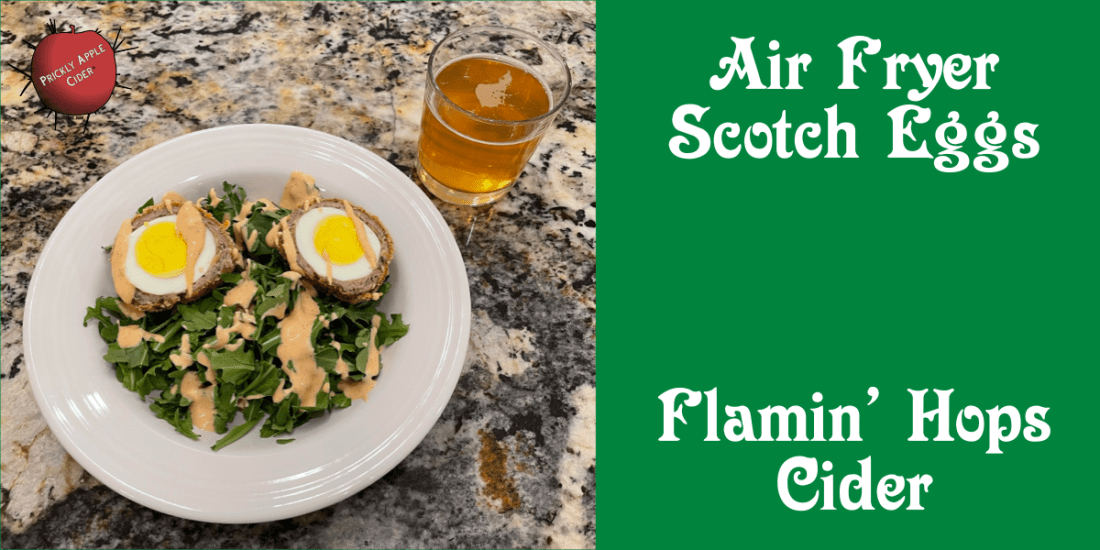
Scotch Eggs and Flamin’ Hops Cider

When we traveled through the West Country in England, we had a list places that we wanted to visit. Of course, those places included numerous cideries along with numerous historical sites like Stonehenge, Highclere Castle, and Glastonbury Tor. However, one of our other goals was to sample various foods. We had high tea at Highclere … Continue reading Scotch Eggs and Cider

Exploring Alternative Hard Cider Yeasts

Mālus Trivium Page Top

Alternative Cider Yeast: Exploring High Aroma Non-Saccharomyces Cerevisiae Yeast While Saccharomyces Cerevisiae is the dominant yeast use for beer and wine, is it the best yeast for making hard cider? Many Saccharomyces Cerevisiae strains used for beer have mutated through yeast harvesting, cropping, and selective pressure placed on them over many years. These have created … Continue reading Exploring Alternative Hard Cider Yeasts

Apple Peels: The Missing Ingredient of Hard Cider

Apple Peels: Cider’s Missing Ingredient

Apple peels can be yellow, green, red, blushed, streaked, sunburnt, and russeted. However, after noting the wonderful colors and even texture, we often ignore them once we start the cider making process. Did you realize that those peels are potentially the single most powerful ingredient in your cider making process? Most cider makers ignore and … Continue reading Apple Peels: The Missing Ingredient of Hard Cider

ATP: Adenosine Triphosphate

Mālus Trivium Page Top

ATP: The energy used to power fermentation You might be asking what ATP is and why you should care. Besides being the energy source for many cell activities, even those in our own bodies, it is what allows yeast to ferment sugar into alcohol. Without ATP, we wouldn’t have hard cider. I have discussed yeast … Continue reading ATP: Adenosine Triphosphate

Bacteria and Hard Cider – It’s not all bad.

Bacteria & Hard Cider

When someone says bacteria, we generally have a negative reaction. Bacteria is a bad thing, right? We want to kill it to keep us from getting sick. However, not all bacteria is bad and especially when you are fermenting hard cider. Lactic Acid Bacteria, commonly called LAB, is the under-appreciated and often abused element in … Continue reading Bacteria and Hard Cider – It’s not all bad.

Polyphenol Concentration in Apples

Mālus Trivium Page Top

Polyphenols: The peel and the core Polyphenols are also often called tannins. These compounds are most associated with the bitterness and astringency of hard cider but can also impact color and mouthfeel. There are several types of polyphenols including flavonoids and phenolic acids. Apples, like most fruit, concentrate polyphenols in the peel and the core … Continue reading Polyphenol Concentration in Apples

Nachos & Hard Cider: Spicy Hot!

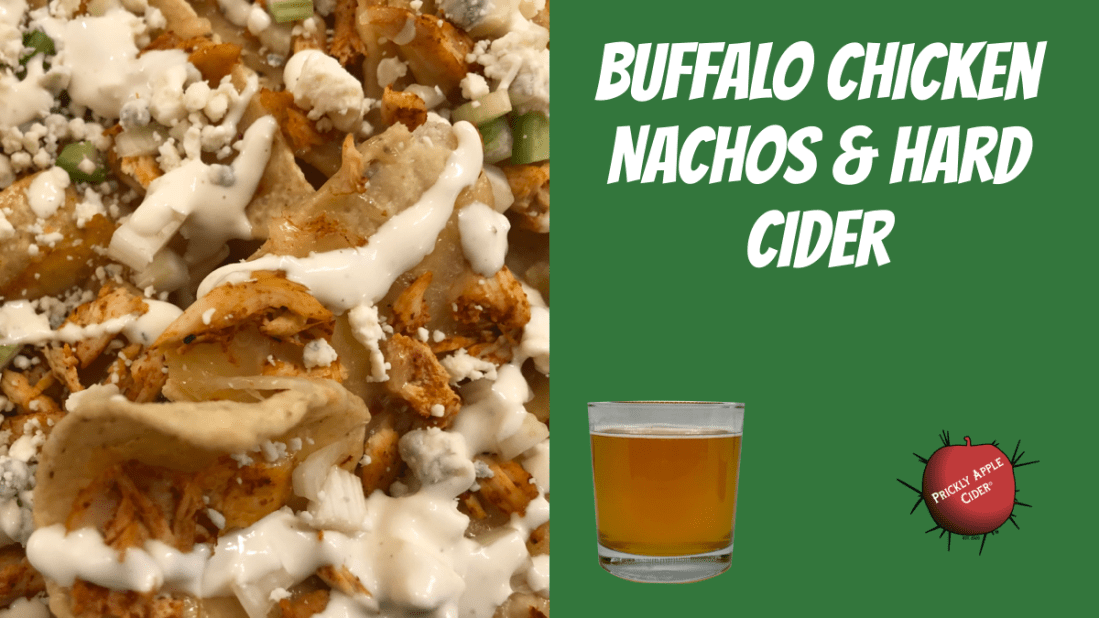
Nachos & Hard Cider: A spicy combo.

WARNING - HOT FOOD AHEAD! If you don’t like spicy, read my Feast at Home post instead. My wife and I love spicy food and almost everything we make gets a spicy adaptation. She even made a spicy green chili ice cream. This post fits that spicy food theme as we create a new American … Continue reading Nachos & Hard Cider: Spicy Hot!

The Impact of Malolactic Fermentation on Specific Gravity

Mālus Trivium Page Top

The impact of MLF on Specific Gravity Malolactic Fermentation, also known as MLF, is the conversion of malic acid to lactic acid by lactic acid bacteria, known as LAB. It was mistakenly called fermentation because of the decarboxylation that occurs in the process. While we tend to think specific gravity measures the sugar in your … Continue reading The Impact of Malolactic Fermentation on Specific Gravity

Hard Cider Tip #31: Estimating Cider %ABV

What’s the best way to estimate the %ABV of cider?

The Common (Old) Formula for Estimating %ABV %ABV = (OG - FG) x 131.2 You have seen the above formula in numerous online posts and books. I even include it in my book. But, is it the best formula for estimating the percentage of Alcohol by Volume (%ABV) in hard cider? What does it even … Continue reading Hard Cider Tip #31: Estimating Cider %ABV

Cider Oxygenation – The Impact by Process

Mālus Trivium Page Top

Cider Oxygenation: The amount of oxygen added to cider by processing It is often stated that you want to avoid oxygen exposure to your hard cider after fermentation begins. While this is a good practice, like most questions related to the production of hard cider, the answer often is it depends. With wine, micro-oxygenation can … Continue reading Cider Oxygenation – The Impact by Process