Spoiler Alert: If you haven’t taken Cider Quiz #1, click here to take it before exploring the answers. Check out the list of related articles at the bottom for reference material about phenolics is apples and how to maximize the amount of phenolic compounds in your cider. A great paper on the subject of phenolics … Continue reading Cider Quiz Answers: Question #3
Tag: Tannins
Cider Poll – The Art of Aging Cider
There is art and science involved in making great hard cider. PricklyCider.com is dedicated to helping you understand both the art and the science involved in the process. One idea I have been working to implement is a way to engage more of the expertise and experience from active cider makers around the world. With … Continue reading Cider Poll – The Art of Aging Cider
Cider Question: How long should you age cider?
Is there an ideal amount of time to age cider? Ultimately, there is no one single right answer to the question of how long you should age cider. That is because it depends on the cider and the conditions under which it will age. The maturation or aging of cider, like wine, will allow it … Continue reading Cider Question: How long should you age cider?
Making Nuts! Cider
Nuts! Cider Recipe: A cider aged on walnuts. This recipe started several years ago when I learned how astringent walnuts are. Go put a raw, unsalted walnut in your mouth and slowly chew it. Chew it for a good 30 seconds if you can. Have some water handy in case you choke. That experience led … Continue reading Making Nuts! Cider
Cider Words: Polymerization
Tannin Polymerization Polymerization can be a key part of the aging process for cider. It is a chemical process in which the tannins found in the cider combine to form larger and more complex molecules. This process is enabled by oxygen through oxidative coupling. Tannins are found at higher concentrations in apples known as bitters, … Continue reading Cider Words: Polymerization
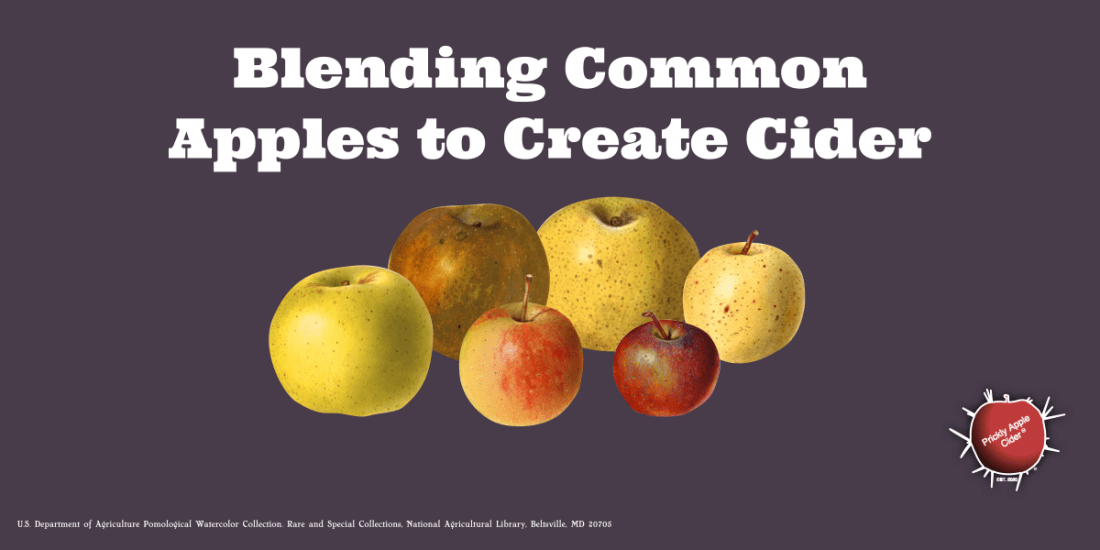
Cider Fundamentals: Blending Common Apples to Make Cider
Many of us struggle to find true Bitters, which are apples that are high in tannins. Some call these cider apples because making cider is often the only good use for them. However, we should really be thinking of apples as Bitters, Sharps, and Sweets or a combination of these like Bittersweets and Bittersharps. The … Continue reading Cider Fundamentals: Blending Common Apples to Make Cider
Cider Question: Can I use culinary and eating apples to make cider?
I don’t have classic cider apples growing around me. I have found some wonderful American heirloom varieties but, even those aren’t considered true cider apples. Most people have access to a wonderful range of cooking apples like Granny Smith and Bramley or eating apples like Red Delicious, Fuji, and Gala. Unless you live in certain … Continue reading Cider Question: Can I use culinary and eating apples to make cider?
Apple Phenolics: Fuji
Phenolic Compounds of Fuji Apples Fuji is such a common apple that unless you live in the historical cider regions of France, England, or Spain, you will probably be wondering if it makes a good cider. It was developed in Japan in the 1930s and is the offspring of the American Red Delicious and Virginia … Continue reading Apple Phenolics: Fuji
Apple Phenolics: Winesap
Winesap Phenolic Compounds Winesap is an heirloom apple variety in America and it was the parent of numerous other apples including various Winesap seedlings. Stayman Winesap is an example of a Winesap seedling that is commonly found in the United States. Arkansas Black apples are also thought to be a seedling of Winesap. While originally … Continue reading Apple Phenolics: Winesap
Cider and Health – Proanthocyanidins
Proanthocyanidins Characteristics Besides providing hard cider with organoleptic benefits, like bitterness and astringency, phenolic compounds can provide valuable health benefits. The old adage of an apple a day keeps the doctor away has a lot of truth to it. Many studies have shown the healthful benefits derived from the moderate consumption of red wine. These … Continue reading Cider and Health – Proanthocyanidins