Cider Question: Can I use expired yeast?

Can you use expired yeast?

Do you have a packet of yeast where the expiration date has passed? Maybe you harvested some yeast from last season’s batch of hard cider but it has been sitting in the refrigerator ever since. Is this yeast dead and unusable or could it still be viable? The quick answer is that you can still … Continue reading Cider Question: Can I use expired yeast?
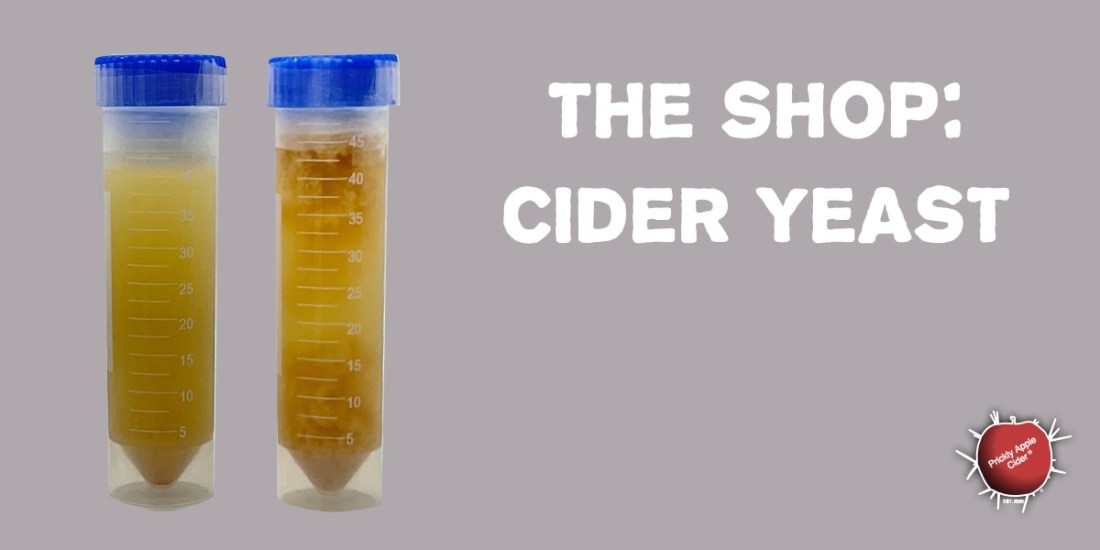
The Shop: Cider Yeast

Cider Yeast Shop

(UPDATE: Sep 25, 2025) We decided to explore Europe for a while but are now firmly back in Southern Arizona in the United States. What that means is that I am now able to ship Cider Yeast to those living in the contiguous 48 states. Sorry to those in other locations, I have explored shipping … Continue reading The Shop: Cider Yeast

Cider Words: Interactomics

Mālus Trivium Page Top

Systems Biology: Interactomics Yeast were first identified by Pasteur around 1860 and the isolation and propagation of Saccharomyces cerevisiae soon followed. However, for over a hundred years, yeast were mostly isolated from wild fermentations and propagated based on their fermentative and organoleptic properties. Not until the 1990’s did we really start breeding or mutating yeasts … Continue reading Cider Words: Interactomics

Yeast Harvesting: Plates & Slants

Mālus Trivium Page Top

Yeast Harvesting: Plates & Slants Yeast and apples are the core ingredients of any cider, even natural/wild fermentations. Understanding your yeast, just like understanding your apples, is key to consistently making great craft hard cider. The yeast will impact your residual sweetness, aromas, tastes, clarity, and many other aspects of your cider. Working in conjunction … Continue reading Yeast Harvesting: Plates & Slants

Yeast Starter for Cider

The materials and steps to make a yeast starter for cider.

A yeast starter is used to increase the biomass of a yeast and to ensure the yeast cells are healthy and ready to ferment. It is how you grow more yeast cells to ensure you have enough for a robust ferment and to ensure the yeast cells you are using are healthy and full of … Continue reading Yeast Starter for Cider

Yeast Propagation for Cider

Propagating Yeast for Cider

Whether you use commercial yeast or wild yeast, you really should be thinking about yeast propagation. Yeast propagation is the process of taking a small yeast sample, usually from a plate or slant and growing it until you have enough to pitch into your juice to make cider. You might be thinking, that sounds like … Continue reading Yeast Propagation for Cider

Cider Words: Interesting but Uncommonly Used

Mālus Trivium Page Top

Interesting and uncommon words related to hard cider. In my reading, discussions, and research, I have come across a variety of words that I found to be interesting. They are usually uncommon or at least I don’t tend to use them often. I thought it would be fun to explore some of these interesting words … Continue reading Cider Words: Interesting but Uncommonly Used

Apple Tree Propagation: Scion and Bud Grafting

Mālus Trivium Page Top

Apple Tree Propagation: Scion and Bud Grafting Apple trees do not grow true from seeds. Just like people, they take genes from both parents and create a new apple. It may have characteristics of one or both or may end up being something completely different, like your blonde haired sibling in the family. To reproduce … Continue reading Apple Tree Propagation: Scion and Bud Grafting

Hard Cider Tip #13: American Vs. French Oak

Hard Cider: French and American Oak

I was able to get a good amount of Newtown Pippin apples last harvest so I used this heirloom apple to make a variety of hard ciders. I made Pippin Magic and Merry Pippin (Cider of Gondor) with Newtown being the main apple. I also added some Newtown Pippin juice to my ice cider, Frozen … Continue reading Hard Cider Tip #13: American Vs. French Oak