Pectic enzymes or what are also referred to a pectinases, are enzyme compounds that cleave or breakdown the natural pectin found in both apples and pears. Generally, pears have higher levels of natural pectin. Pectic enzymes are often produced naturally during fermentation by yeast, but as is common, the amount will vary by yeast strain. … Continue reading Cider Question: Do you need to use pectic enzyme?
Tag: Aroma
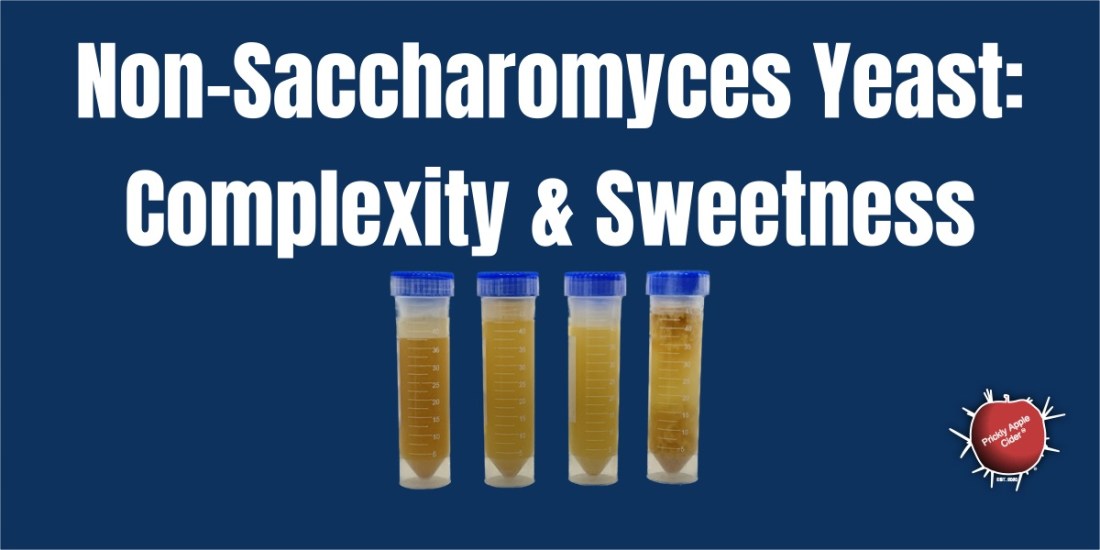
Non-Saccharomyces Yeast: Complexity & Sweetness
This is the second article in my series on non-Saccharomyces yeast. In the first, I challenged the concept that Saccharomyces yeast is ideal for cider. While yeast is a critical element that defines the essence of cider, I asserted the view that we needed to break away from our current beliefs about yeasts. I proposed … Continue reading Non-Saccharomyces Yeast: Complexity & Sweetness
Non-Saccharomyces Yeast: Defining Cider from a Cider-Makers Perspective
What is the best yeast to use to make cider? The answer is simple. Whichever yeast creates the hard cider you most enjoy. Okay, I took the non-confrontational path but, it’s true. If you make cider you love from wine yeast, use it. If beer yeast makes the cider of your dreams, use it. If … Continue reading Non-Saccharomyces Yeast: Defining Cider from a Cider-Makers Perspective
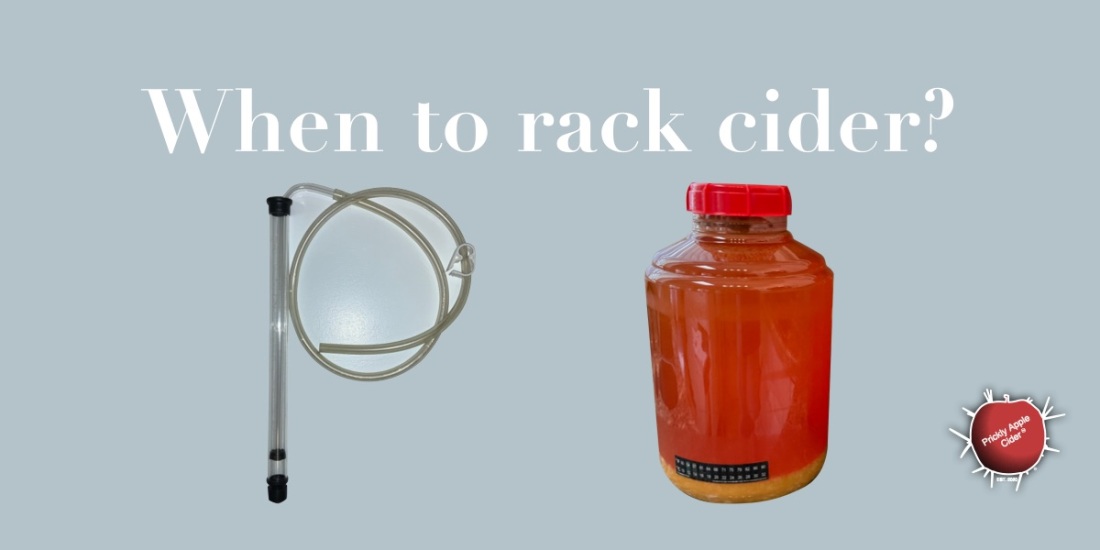
Cider Question: When should I rack my cider?
Racking your hard cider simply means to siphon off the cider leaving the bottom layer of sediment behind. To answer the question of when you should rack your cider, I first need to review the definition of sediment and lees. Apple juice contains a variety of organisms and compounds. Many of these precipitate or drop … Continue reading Cider Question: When should I rack my cider?
Aroma Faults: Diacetyl
Cider Aroma Faults: Butter Sometimes too much of a compound is the cause of a fault. Other times, the definition of whether its a fault depends on the beverage. Diacetyl (C4H6O2) is an example of such a compound. In most beers, it’s considered a fault but, in most California chardonnays, it’s desired. Butter is the … Continue reading Aroma Faults: Diacetyl
Aroma Faults: Solvent
Cider Aroma Faults - Solvent or Vinegar Some compounds contribute positively, initially. But, if there is too much, they quickly become faults. Ethyl acetate (C5H8O2) is an example of such a compound. In low quantities, it can contribute to the aroma of a cider but in large quantities, it becomes a fault. It will turn … Continue reading Aroma Faults: Solvent
Cider: Taste versus Smell
I often talk about taste and smell being the same and, I’m not alone. This is because the flavors or what is often defined as the taste of food and drink depends on aroma. To be more specific, the flavor is created by olfactory receptors in the nasal pharynx picking up volatile compounds (aromas) when … Continue reading Cider: Taste versus Smell
Aroma Faults: Rotten Eggs
Cider Aroma Faults: Rotten Eggs and Cooked Cabbage The smell of rotten eggs or cooked vegetables like cabbage or broccoli are two of the common sulfur (sulphur for my British friends) related odors faults that can be found in cider. The culprit is generally Hydrogen Sulfide (H2S), though other sulfur compounds like diethyl sulfide can … Continue reading Aroma Faults: Rotten Eggs
How Nitrogen Impacts Cider Fermentation
In other articles, I’ve noted how nitrogen is one of the key compounds yeast need to turn apple juice into hard cider. It’s essential for protein synthesis and protein is needed to transport sugar into the yeast cell. Sugar creates the energy, ATP, needed for cell function and reproduction or what we prefer to call … Continue reading How Nitrogen Impacts Cider Fermentation
Drinking Cider: Temperature Effect
What is the right temperature to drink a cider? Should it be cold, chilled, warm, or even hot? Yes, you already know my answer, which is that it will depend! Hard cider is not a simple product. In fact, because it’s a relatively young and overlooked beverage in most places around the world, I propose … Continue reading Drinking Cider: Temperature Effect