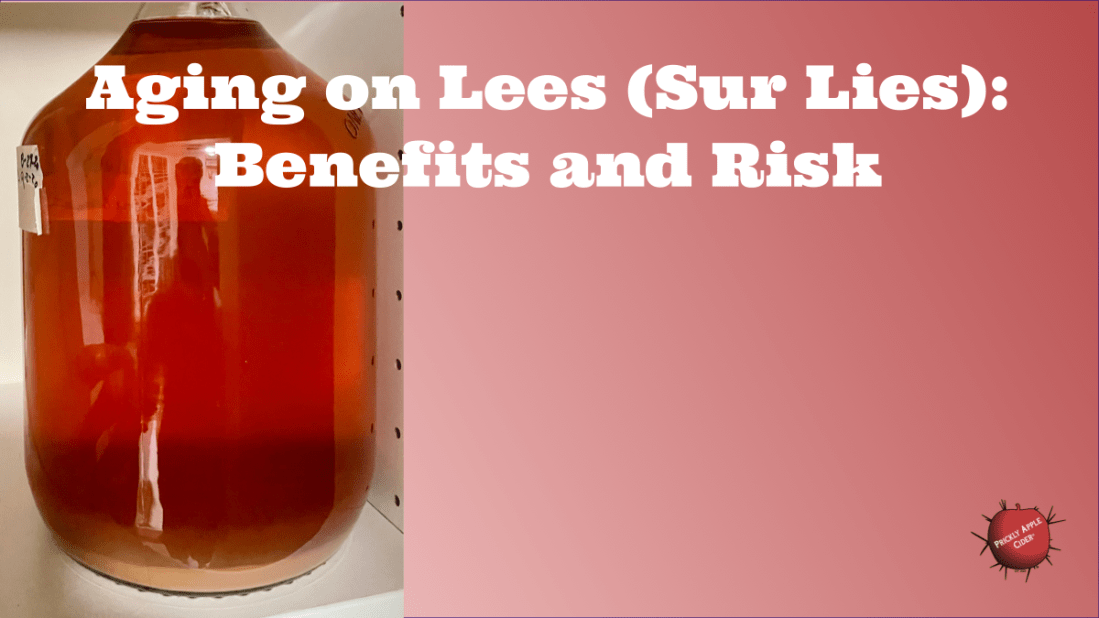
Aging on lees, also called ‘sur lies’, is a traditional practice for many wines and hard ciders. In Burgundy, France, there is a saying that translates something like ‘lees for wine is like a mother for a child’. The concept being that just like a mother nurtures their child, so to do lees nurture a … Continue reading Hard Cider Tip #29: Aging on Lees (Sur Lies)
Category: Tips
Hard Cider Tip #28: Malolactic Fermentation
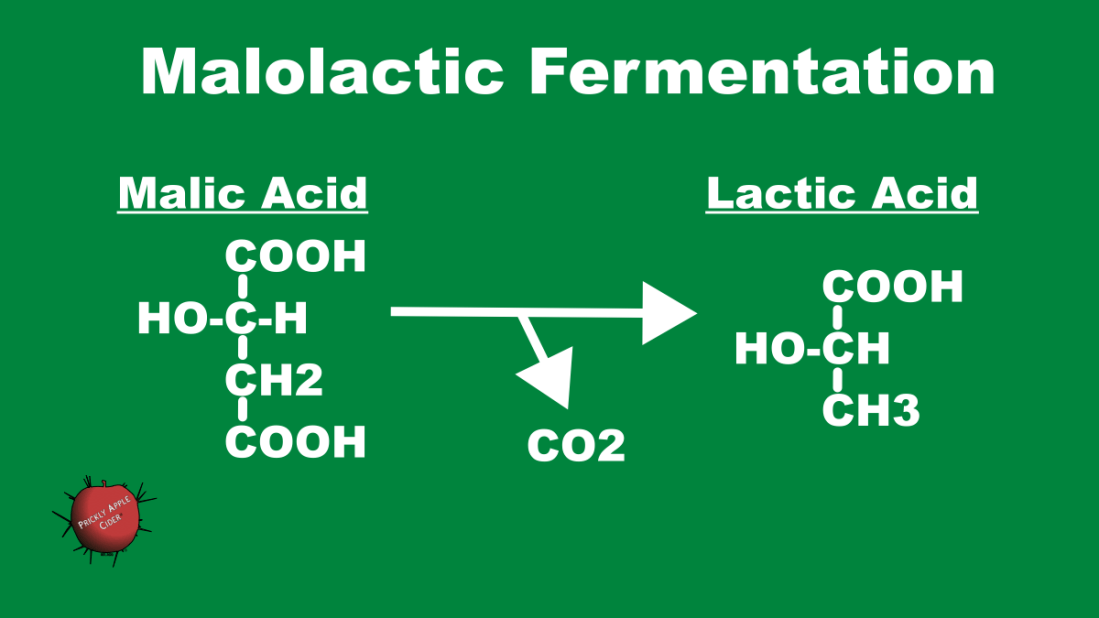
There is an often referenced but just as often confusing process in hard cider making called malolactic fermentation. You might see it abbreviated by the acronym MLF and sometimes referenced as LAB. In reality, it’s not actually a fermentation process at all but is a bacteria reaction that converts malic acid to lactic acid (1). … Continue reading Hard Cider Tip #28: Malolactic Fermentation
Help! My cider isn’t fermenting.
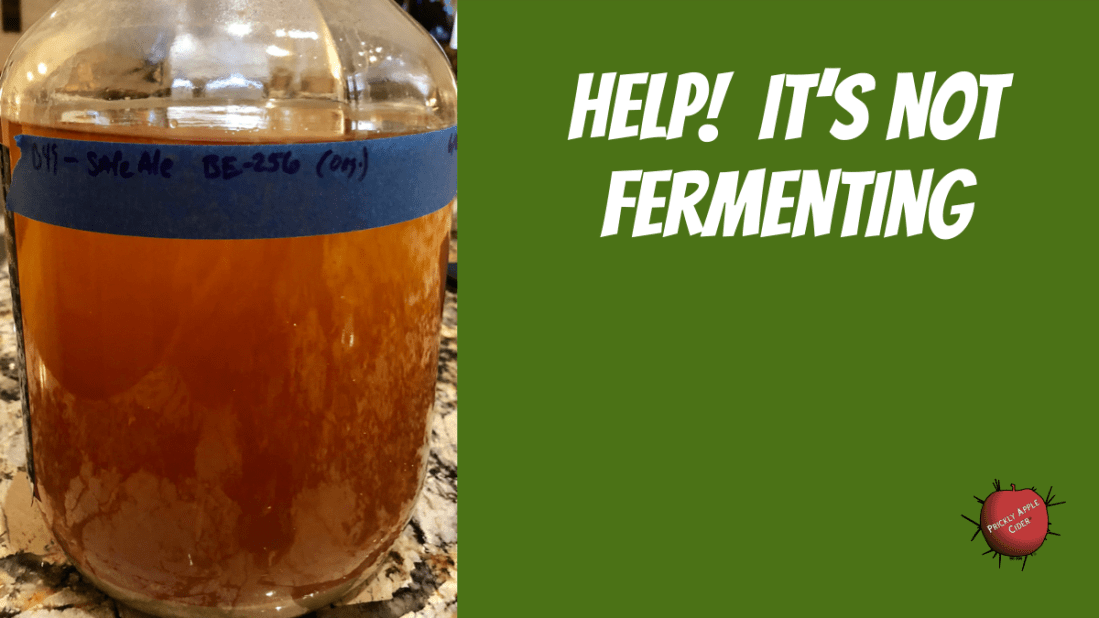
Fresh pressed apple and pear juice will naturally have the microflora (yeast and bacteria) to ferment into hard cider. For many people, they use these natural organisms to create great hard cider. For others, they want to control the flavors and process and will use commercial yeast. In both cases some people use Campden tablets, … Continue reading Help! My cider isn’t fermenting.
Hard Cider Tip #27: Clear or Cloudy Juice
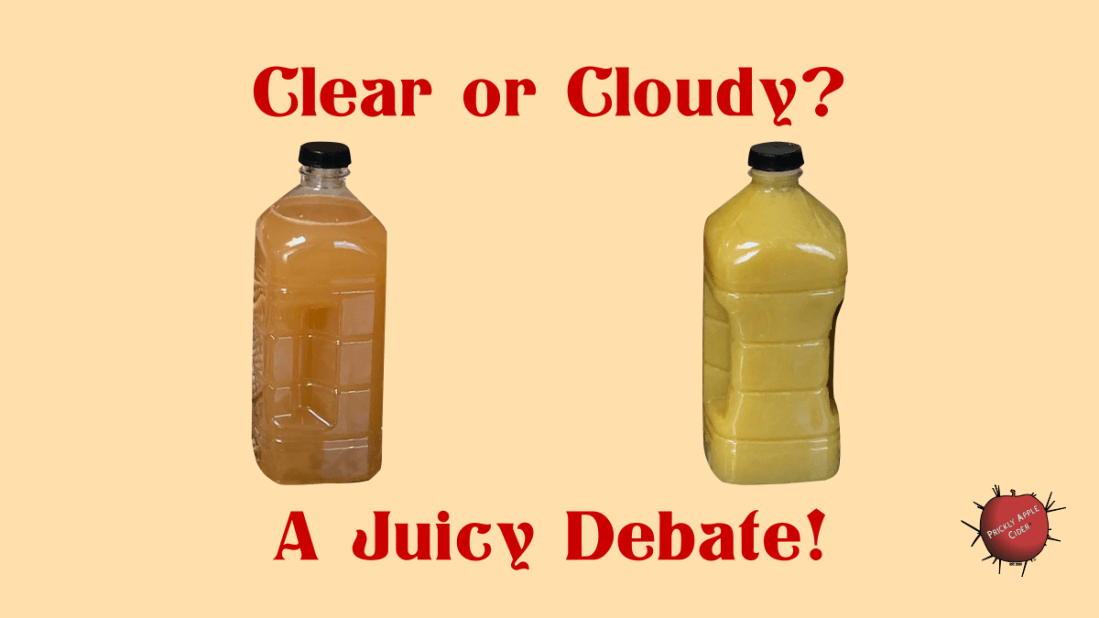
I hope you are finding the information you need. Please don’t hesitate to leave me a comment or contact me if you have specific questions. To make the best hard cider, should juice be crystal clear or should it be cloudy? Have you even thought about it much? If you have read some of my … Continue reading Hard Cider Tip #27: Clear or Cloudy Juice
Hard Cider Tip #26: Force-Carbonating
In part III of my developing your method post, I explore carbonation and how this can impact your method for making hard cider. The method I generally use, is force-carbonating. The most common method to force-carbonate is using a kegging system. Kegging systems can come in various sizes, but 5 pound CO2 tanks and 5 … Continue reading Hard Cider Tip #26: Force-Carbonating
Hard Cider Tip #25: To Sweat or Not to Sweat
When you pick apples in Southern Arizona, whether you sweat or not isn’t often a choice. Even at cooler elevations over 5000 feet, the sun can be brutal and I often work up a good sweat gathering apples for my hard ciders. Believe it or not, apples can also sweat or at least they lose … Continue reading Hard Cider Tip #25: To Sweat or Not to Sweat
Hard Cider Tip #24: Non-Fermentable Sweeteners
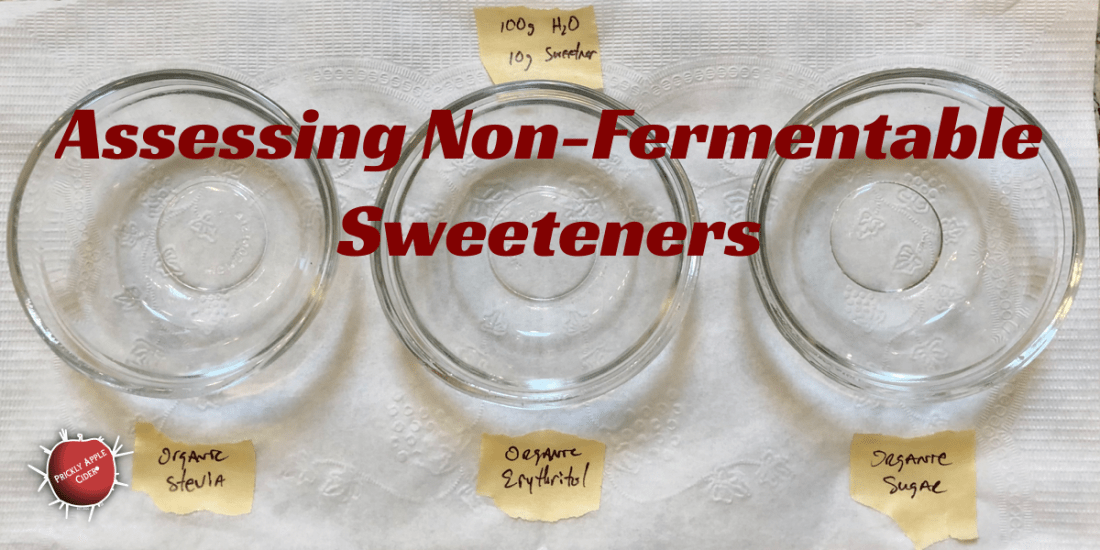
I’ve discussed in my post on how to make sweet hard cider the use of non-fermentable sweeteners like stevia and erythritol. I generally prefer drier hard cider, but I also enjoy balance. That means if a cider has a lot of acid, having a little residual sugar can help balance it. Tannins and their bitter … Continue reading Hard Cider Tip #24: Non-Fermentable Sweeteners
Hard Cider Tip #23: Reusing Yeast
This is the first year I have harvested my yeast for reuse. Since I splurged on some liquid yeast from White Labs and Omega, I thought it would be an interesting experiment. I also have an idea about trying to evolve a yeast using selective pressure through bottom cropping of early attenuating colonies. This also … Continue reading Hard Cider Tip #23: Reusing Yeast
Hard Cider Tip #22: Sulfite and Sorbate
There is often a debate about the need, use, and benefit of sulfites (or sulphites if you live in many other English speaking countries) when making hard cider or even wine. Using or not using them along with sorbates can be a cause for much debate. Therefore, I wanted to explore the reasons why you … Continue reading Hard Cider Tip #22: Sulfite and Sorbate
Harvesting Prickly Pears: Dangers and Rewards
In my book, The Art & Science of Cider, I advocate for making hard cider that represents where you live. Almost every place in the world does or can grow apple trees. However, they also grow many other great fruits, flowers, herbs, and vegetables. Hard Cider is the perfect method to include and highlight these … Continue reading Harvesting Prickly Pears: Dangers and Rewards