Most of my cider adventures have been about places I have visited. Sometimes, the fun with cider adventures start before you ever leave your house. It is the planning. With the internet and Apps like Google Maps and YouTube you can visit almost anywhere virtually from your couch. One of the places we are planning for a future cider adventure is Spain. You may not even realize the long history of cider making in Spain. There is a debate about whether European cider making started in Spain and was spread by the Romans into France and England. Ultimately, the history of making cider in Spain is old and been continuous for potentially thousands of years.
Spanish ciders (sidra in Spanish) generally have a unique tartness and acidity and instead of carbonating, most are aerated when pouring. Different regions have unique means of achieving this aeration. They also often have festivals tied to cider. For me, food and cider are integral and one of my favorite things to research for a cider adventure. In Spain, it’s a big part of the cider culture. During my research, I have found 5 regions for cider production in Spain. Asturias and Basque Country are the two most known areas outside of Spain and most commonly found ciders imported into the United States. However, there are a few others that you may not know. Let’s explore the top cider regions in Spain.

Asturias
Asturias is widely regarded as the heartland of Spanish cider. The region’s cider, known as “sidra natural,” holds a special place in Asturian culture. Asturias boasts numerous traditional cider houses (“sidrerías”), where visitors can witness the pouring technique called “escanciado” and indulge in the tart and slightly sparkling sidra natural. The towns of Nava and Villaviciosa in Asturias are particularly renowned for their cider production.
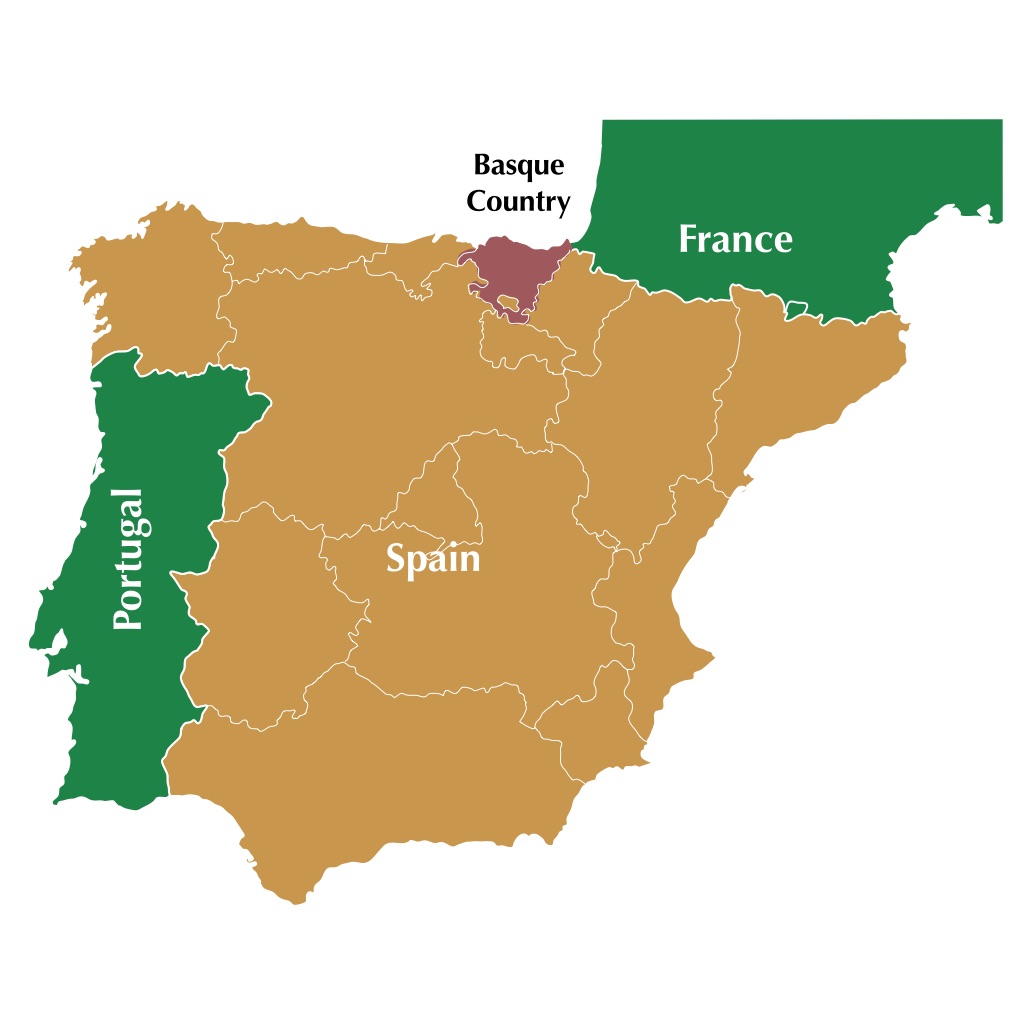
Basque Country (Euskadi)
The Basque Country, including its three provinces (Bizkaia, Gipuzkoa, and Araba), has a strong cider tradition. Basque cider, known as “sagardoa” in Basque, is highly regarded for its distinctive tart flavor. The sagardotegiak, traditional Basque cider houses, provide a unique experience, where visitors can partake in the lively txotx ceremony and enjoy cider straight from the kupelas (large wooden barrels). Astigarraga, near San Sebastian, is a prominent cider hub in the Basque Country.

Galicia
Galicia, located in the northwest corner of Spain, is known for its rich agricultural heritage, including apple orchards and cider production. Galician cider, often referred to as “sidra galega,” is typically made from local apple varieties and is characterized by its crisp and refreshing taste. The town of Lugo hosts the annual Festa da Sidra, celebrating Galician cider. Consider planning your adventure during the celebration to fully experience cider in Galicia.

Catalonia
Catalonia, in northeastern Spain, is another cider-producing region worth exploring. The region’s cider, known as “sidra catalana,” is made primarily in the provinces of Girona and Lleida. Catalan cider often has a dry and slightly sparkling profile. The town of Olot in the Garrotxa region is known for its cider production, and during the annual Festa de la Poma (Apple Festival), visitors can enjoy cider tastings and cider-related activities.

Valencia
Valencia, known for its oranges and coastal beauty, also has a modest cider scene. The region produces its own version of cider, typically referred to as “sidra valenciana.” While not as prominent as the aforementioned regions, Valencia offers cider enthusiasts a chance to taste local variations and explore cider culture in a different setting.
These regions showcase Spain’s diverse cider heritage, and each offers a unique experience for cider enthusiasts. From the lively cider houses in Asturias and the Basque Country to the crisp ciders of Galicia, Catalonia, and Valencia, exploring these top cider regions in Spain allows for an immersive journey into the country’s cider traditions and flavors. Now comes the hard part, where to go first?


 PricklyCider.com