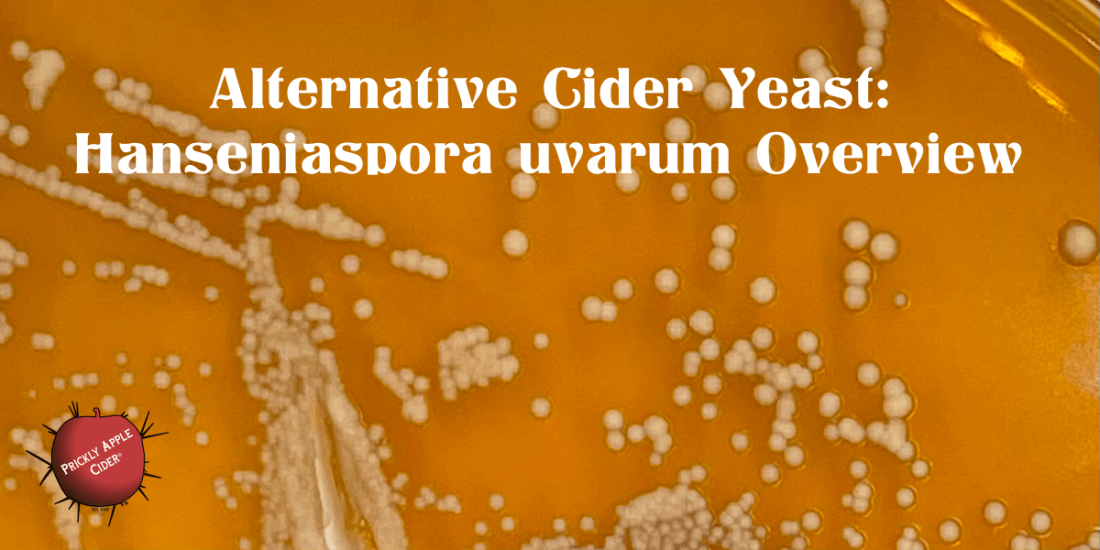
This is the second of the non-Saccharomyces cerevisiae yeast that I plan to explore next season. In my first post on alternative yeast for hard cider, I covered Lachancea thermotolerans. A yeast that was misclassified for over 70 years before being identified through gene sequencing in 2003. This post is about Hanseniaspora uvarum, which is … Continue reading Alternative Cider Yeast: Hanseniaspora uvarum Overview
Tag: yeast
Alternative Cider Yeast: Lachancea thermotolerans Overview
As I noted in my Mâlus Trivium post about potential alternative yeast for hard cider, there are several I plan to trial for the next season so I thought I would highlight each. One of those is Lachancea thermotolerans. The Lanchancea genus is a relatively newcomer from a classification perspective. In 2003, a new multi-gene … Continue reading Alternative Cider Yeast: Lachancea thermotolerans Overview
Natural Preservatives: Killer Factors
Killer toxins to prevent Brettanomyces spoilage In my research on preservatives like Campden (potassium metabisulfite) and potassium sorbate that are commonly used in wine and cider to preserve the cider as well as prevent residual sugar from fermenting, I was always interested in finding alternative methods. Preserving hard cider is generally about stopping various bacteria … Continue reading Natural Preservatives: Killer Factors
Experiments in Sweetness: Sweet Hard Cider
Being able to create a hard cider with some residual sweetness is often referred to as the holy grail of cider. The reason for this is because that sweetness can be used to balance the high acids often found in dessert apples and the tannins found in cider apples. This cider season I set about … Continue reading Experiments in Sweetness: Sweet Hard Cider
Stop Killing Your Juice: The Argument Against Campden
Usually, my answer to a question about hard cider is “it depends”. I generally try not to be definitive because there are simply so many unknown factors that being definitive is almost always wrong. However, for this article, I’m going to argue a definitive. The definitive is that you should not use Campden tables in … Continue reading Stop Killing Your Juice: The Argument Against Campden
Yeast Impact on Sugar and Acids
Yeast impact on residual sugar and acid in cider. While the research by M. Lorenzini and associates was done to assess the impact of yeast on volatile compounds in hard cider(1), I found it interesting for another reason. As part of the study, they noted the amount of ethanol each yeast produced and the corresponding … Continue reading Yeast Impact on Sugar and Acids
Exploring Alternative Hard Cider Yeasts
Alternative Cider Yeast: Exploring High Aroma Non-Saccharomyces Cerevisiae Yeast While Saccharomyces Cerevisiae is the dominant yeast use for beer and wine, is it the best yeast for making hard cider? Many Saccharomyces Cerevisiae strains used for beer have mutated through yeast harvesting, cropping, and selective pressure placed on them over many years. These have created … Continue reading Exploring Alternative Hard Cider Yeasts
ATP: Adenosine Triphosphate
ATP: The energy used to power fermentation You might be asking what ATP is and why you should care. Besides being the energy source for many cell activities, even those in our own bodies, it is what allows yeast to ferment sugar into alcohol. Without ATP, we wouldn’t have hard cider. I have discussed yeast … Continue reading ATP: Adenosine Triphosphate
Making Heirloom Cider
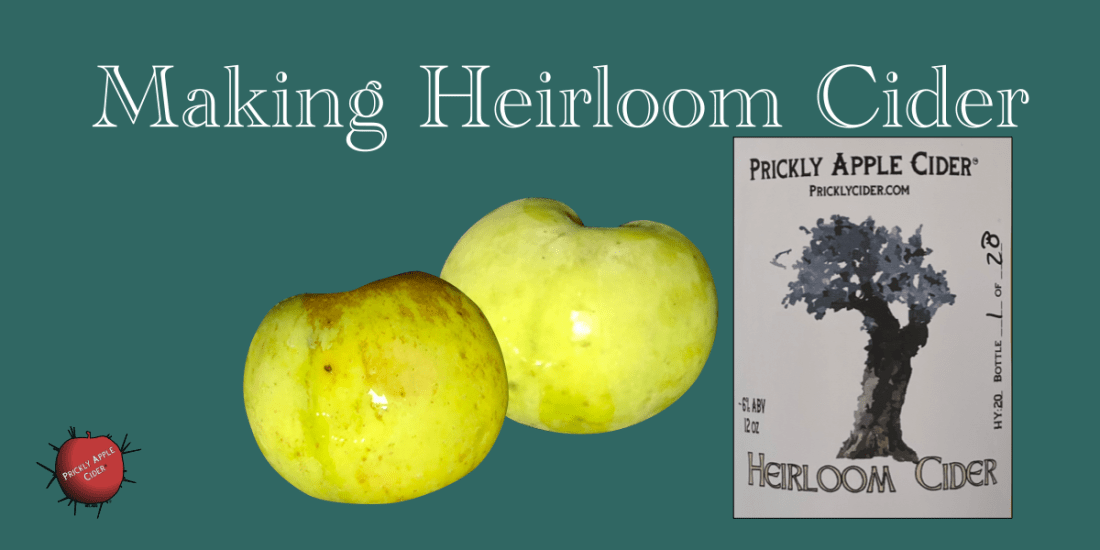
Heirloom Cider Label Every season, I seek to try something new. That usually always includes new apple varieties when I can find them. This year I also experimented with yeast and juice clarity. If you will recall from my earlier post on clear or cloudy juice, clearer juices can produce more fruity esters. I incorporated … Continue reading Making Heirloom Cider
Gene Experiments – Sucrose Fermentation
Modifying genes in yeast can impact how it processes sucrose. Sacharomyces Cerevisiae is the most commonly used yeast for wine, beer, bread, and cider maker. When Saccharomyces cerevisiae DNA was sequenced in 1996, there were around 6,000 genes identified. These genes, which are located in the 16 chromosomes, are what define and regulate biological information … Continue reading Gene Experiments – Sucrose Fermentation