Aroma Faults: Rotten Eggs

Mālus Trivium Page Top

Cider Aroma Faults: Rotten Eggs and Cooked Cabbage The smell of rotten eggs or cooked vegetables like cabbage or broccoli are two of the common sulfur (sulphur for my British friends) related odors faults that can be found in cider. The culprit is generally Hydrogen Sulfide (H2S), though other sulfur compounds like diethyl sulfide can … Continue reading Aroma Faults: Rotten Eggs

Yeast Harvesting: Plates & Slants

Mālus Trivium Page Top

Yeast Harvesting: Plates & Slants Yeast and apples are the core ingredients of any cider, even natural/wild fermentations. Understanding your yeast, just like understanding your apples, is key to consistently making great craft hard cider. The yeast will impact your residual sweetness, aromas, tastes, clarity, and many other aspects of your cider. Working in conjunction … Continue reading Yeast Harvesting: Plates & Slants

Yeast Harvesting: Agar

Mālus Trivium Page Top

Yeast Harvesting: Examples of Agar Types If you make enough hard cider, you will inevitably start to explore yeast. Whether you are using commercial strains or just letting nature run its course, yeast is such a critical component in making great craft cider. It impacts your residual sweetness, aromas, tastes, clarity, and many other aspects … Continue reading Yeast Harvesting: Agar

Cider Words: Yeast Survival Factors

Mālus Trivium Page Top

Yeast Survival Factors: The Impact to Cider Fermentation Yeast Survival Factors are also commonly referred to as oxygen substitutes(1) or anaerobic growth factors(2). These are compounds that ensure yeast viability under stress and ultimately, the survival of the yeast. The compounds include sterols, fatty acids, and peptides. You might be thinking that Yeast Survival Factors … Continue reading Cider Words: Yeast Survival Factors

Cider Words: Yeast Domestication

Mālus Trivium Page Top

Industrial yeasts show signs of domestication that started before yeast were even identified. Industrial yeast, generally Saccharomyces cerevisiae, are used to make numerous alcoholic beverages as well as biofuel and bread. They live in human constructed environments and show signs of domestication. Domestication simply means that an organism adapts to a human constructed environment so … Continue reading Cider Words: Yeast Domestication

Cider Words: Mitosis versus Meiosis

Mālus Trivium Page Top

Budding versus Sporulative Most yeast cells are capable of reproducing asexually, a process called mitosis, and sexually, a process called meiosis. The most common form of asexual reproduction for fermenting yeast, especially Saccharomyces cerevisiae, is budding. Asexual reproduction is most common when resources are abundant. Sexual reproduction is generally the process yeast pursue in times … Continue reading Cider Words: Mitosis versus Meiosis

Yeast Derivative Products (YDPs) & Aroma

The impact of Yeast Derivative Products on Aroma

Yeast Derivative Products (YDPs) can aid with fermentation by providing nitrogen and nutrients and with clarity by binding with colloidal compounds. But recent research has been focusing on how they can impact aroma. Remember that YDPs are just inactivated yeast developed to provide specific reactionary compounds. YDPs are made by using heat, enzymes, or even … Continue reading Yeast Derivative Products (YDPs) & Aroma

Cider Words: Yeast Derivative Products (YDPs)

Mālus Trivium Page Top

Yeast Derivative Products (YDPs) can aid fermentation, turbidity, and aroma. Have you ever heard of Yeast Derivative Products (YDPs)? If you are exposed to the wine industry, you have probably come across them as they are becoming more widely used in that industry. Rarely do I hear about there use in cider. I should clarify … Continue reading Cider Words: Yeast Derivative Products (YDPs)

What is cider yeast?

What is cider yeast?

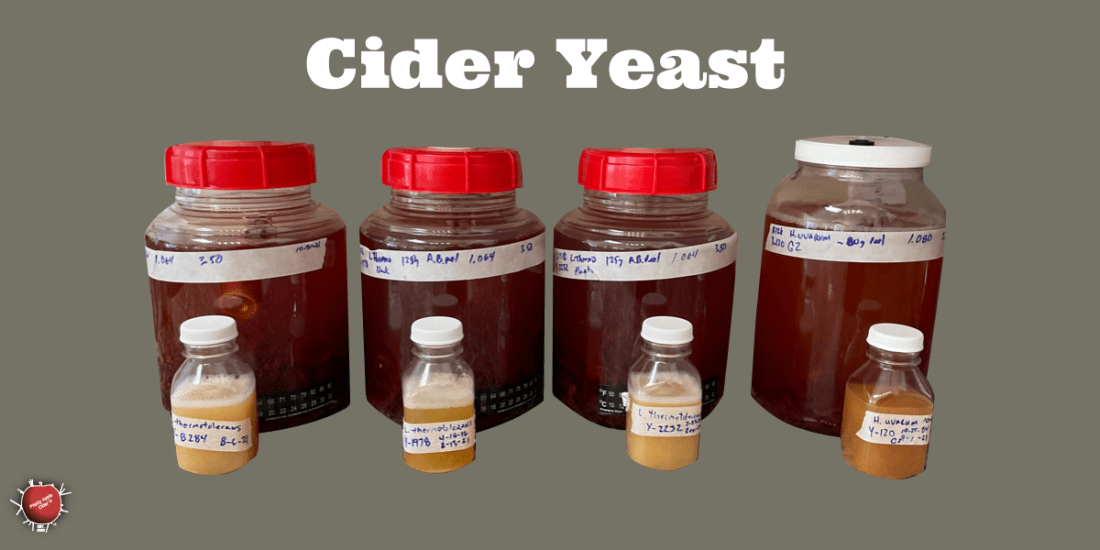
It seems like a simple question and yet it’s actually a very complex one. For one thing, yeast are found about everywhere and there are thousands of different types of yeast. Should we therefore consider the yeast found on the apple as true cider yeast? What about the yeast found on the equipment used to … Continue reading What is cider yeast?

Phenolics and Cider

Phenolic Compounds in Cider: Tannins

What exactly are phenolics? Are they tannins? I don’t think there a simple answer. If I told you there are two basics compounds, flavonoid and non-flavonoid types of phenolics, would that clarify it? It didn’t for me but, chemistry wasn’t my favorite subject in school. If I broke down the flavonoids into anthocyanins, flavan-3-ols, and … Continue reading Phenolics and Cider