Spoiler Alert: If you haven’t taken Cider Quiz #1, click here to take it before exploring the answers. You can tap or click on the picture in each answer to open a related article. Question #1: How can you create a cider with some residual sweetness? Let’s explore each answer. 1. Keeving: Yes, it can … Continue reading Cider Quiz Answers: Question #1
Tag: Sweet Cider
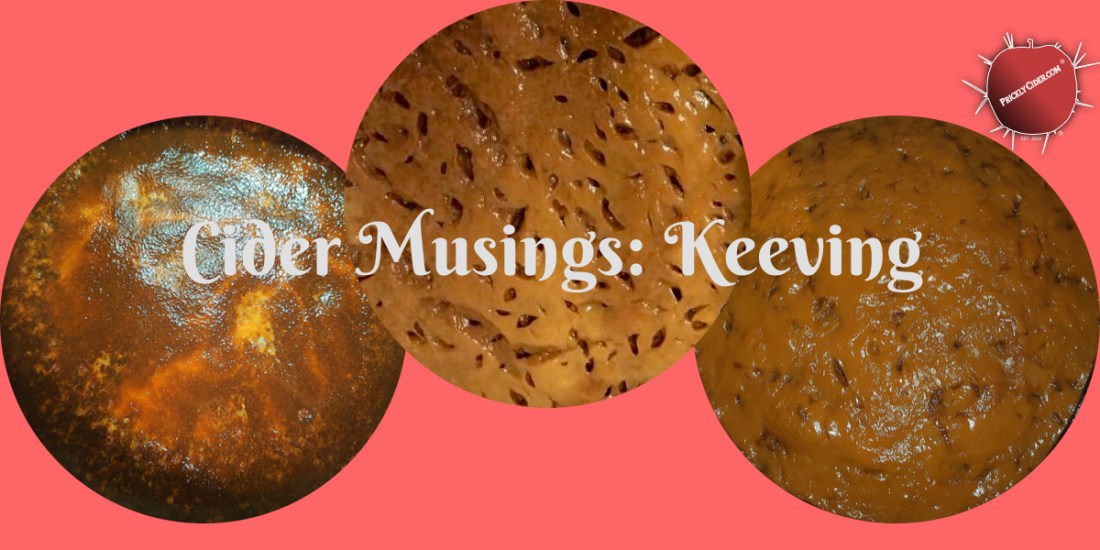
Cider Musings: Keeving
Musing: I believe yeast is the most important factor deciding whether a keeve will be successful or not. Let me explain. Keeving is a process that uses nutrient deprivation to create a naturally sweet hard cider. The main characteristic of a keeve is the formation of a thick cap. It is usually gelatinous but sometimes … Continue reading Cider Musings: Keeving
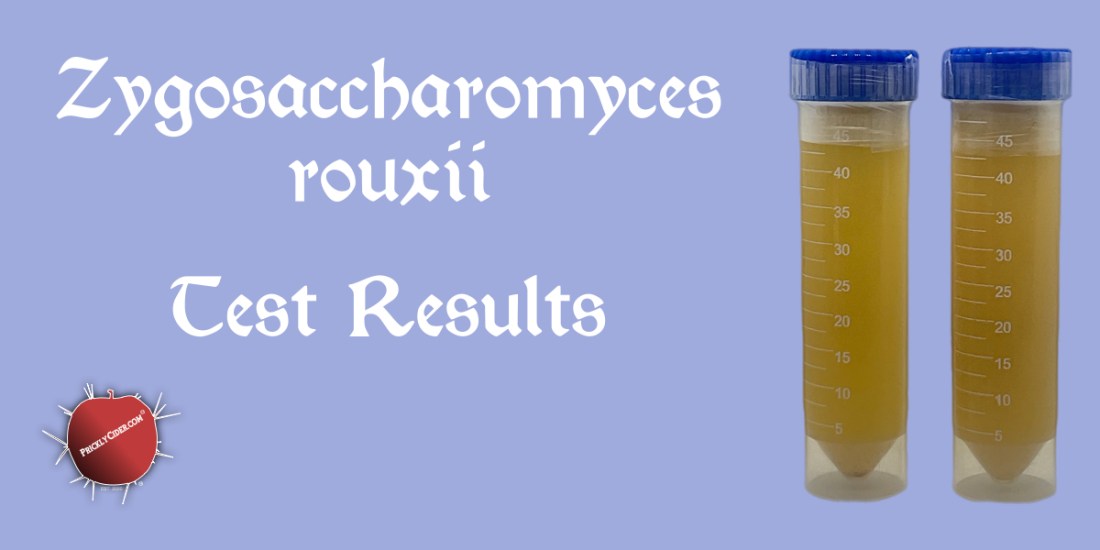
Non-Saccharomyces Yeast: Zygoscharromyces rouxii Results
Last season, I obtained some additional non-Saccharomyces yeast samples from the USDA-ARS Culture Collection (NRRL), which is based in Illinois. In this batch, I received two strains of Zygosaccharomyces rouxii yeast (Y-229 and Y-1294), which is a species that was positively noted in various research papers. For reference, Y-229 was found in grape must in … Continue reading Non-Saccharomyces Yeast: Zygoscharromyces rouxii Results
Cider Question: What is racking and why is it performed?
Racking is a term used quite often by cider makers. It simply means to siphon off the clearer juice or cider from the sediment or lees that accumulate on the bottom of the container. The origin may be related to the old French word arracar, which meant to drain. A racking cane or tube is … Continue reading Cider Question: What is racking and why is it performed?
Cider Question: How to make sweet hard cider?
Cider or what some call hard cider is normally dry, which means it has little to no sugar remaining. This is because apple juice has about half the sugar that grape juice has and is often made with yeast (Saccharomyces cerevisiae) used for wine. The result is that when fermentation completes, you are likely to … Continue reading Cider Question: How to make sweet hard cider?
Non-Saccharomyces Yeast: Inoculating for Control
This is the third article in my series on non-Saccharomyces yeast. Initially, I reviewed the concept that the yeast commonly used for wine and beer, Saccharomyces cerevisiae, is not ideal for cider and could be considered a spoilage yeast. I proposed that most Saccharomyces cerevisiae yeast lack the properties critical for creating the essence of … Continue reading Non-Saccharomyces Yeast: Inoculating for Control
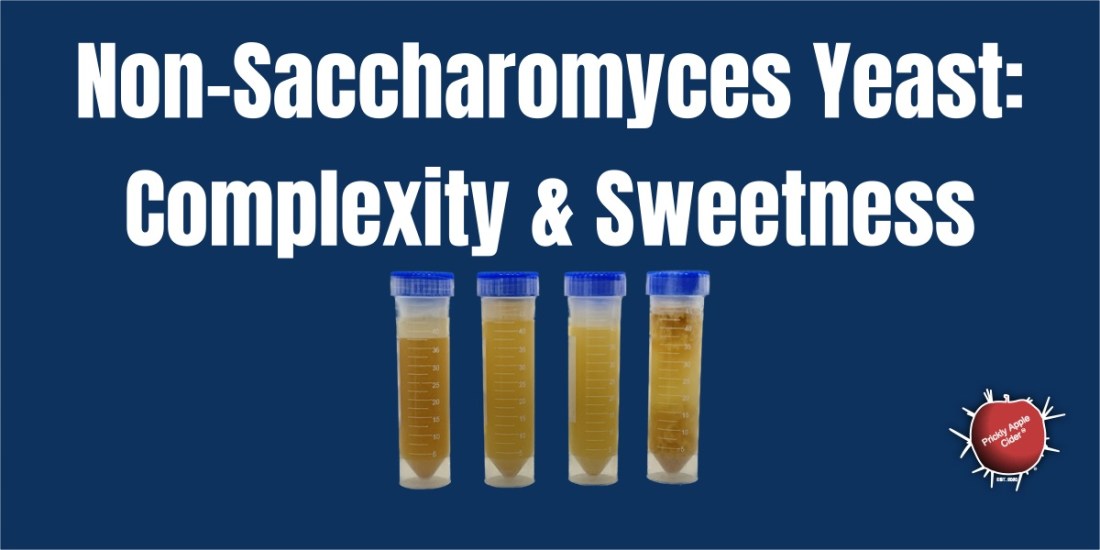
Non-Saccharomyces Yeast: Complexity & Sweetness
This is the second article in my series on non-Saccharomyces yeast. In the first, I challenged the concept that Saccharomyces yeast is ideal for cider. While yeast is a critical element that defines the essence of cider, I asserted the view that we needed to break away from our current beliefs about yeasts. I proposed … Continue reading Non-Saccharomyces Yeast: Complexity & Sweetness
Non-Saccharomyces Yeast: Hanseniaspora uvarum Results
I was able to assess three Hanseniaspora uvarum yeast strains from the USDA culture collection for use in cider making. I provided a detailed overview on these and other non-Saccharomyces strains in earlier articles. Just search for non-Saccharomyces on the site or look in the post carousal below for the links. Hanseniaspora uvarum is a … Continue reading Non-Saccharomyces Yeast: Hanseniaspora uvarum Results
Non-Saccharomyces Yeast: Pichia Kluyveri Results
I obtained 11 samples of non-Saccharomyces yeast from the USDA and have been conducting trials for my hard cider batches. Three of those strains where Pichia kluyveri. If you haven't read it, I would encourage you to review my overview of Pichia kluyveri and the other strains. Just search non-Saccharomyces on the site or look … Continue reading Non-Saccharomyces Yeast: Pichia Kluyveri Results
Cider and Natural Sweeteners
The quest for a naturally sweet hard cider is like trying to find a four-leaf clover, something sought by many but only found by a few. There are a number of methods, like keeving and nutrient deprivation, that can be utilized. But, while these work, they are not always the simplest method and may not … Continue reading Cider and Natural Sweeteners