Making Rosé Cider

Rosé Cider

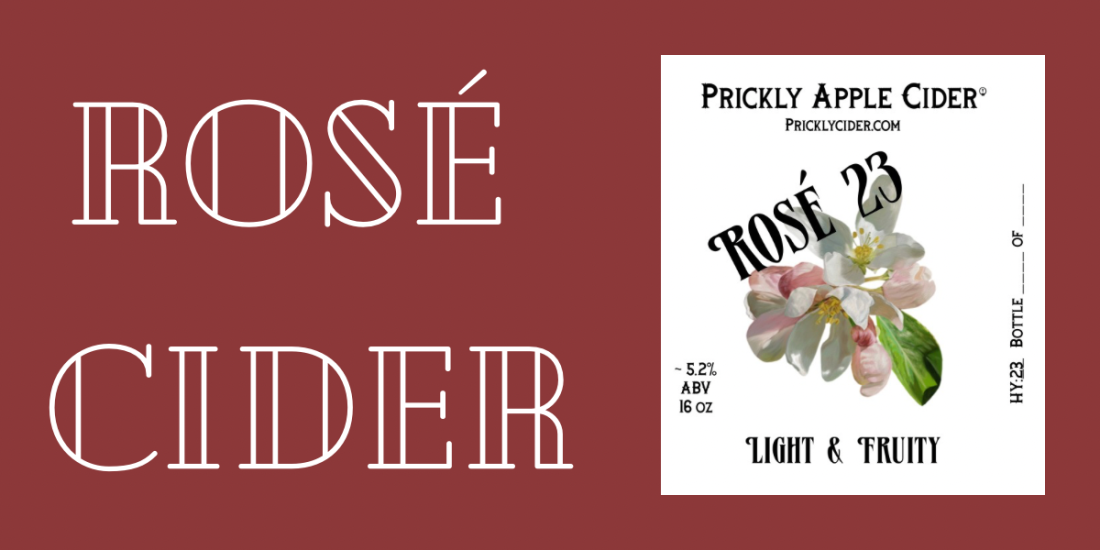
As I noted in an earlier post on Rosé ciders, I was surprised to find so many during a visit to Normandy, France. I even saw some of the red-fleshed apples, which they use, growing in an orchard. Red or pink fleshed apples are a great option for making a rosé. However, if you are … Continue reading Making Rosé Cider

Making Arizona Pommeau

Making Arizona Pommeau

Pommeau is traditionally a French drink made by blending apple juice with calvados (apple brandy) and aging it. But, why can’t we make pommeau with other spirits, especially spirits made from what is local. If you live in the Southwestern United States, specifically Arizona, that local spirit would be tequila. Arizona Pommeau is the result … Continue reading Making Arizona Pommeau

Making Prickly Pommeau

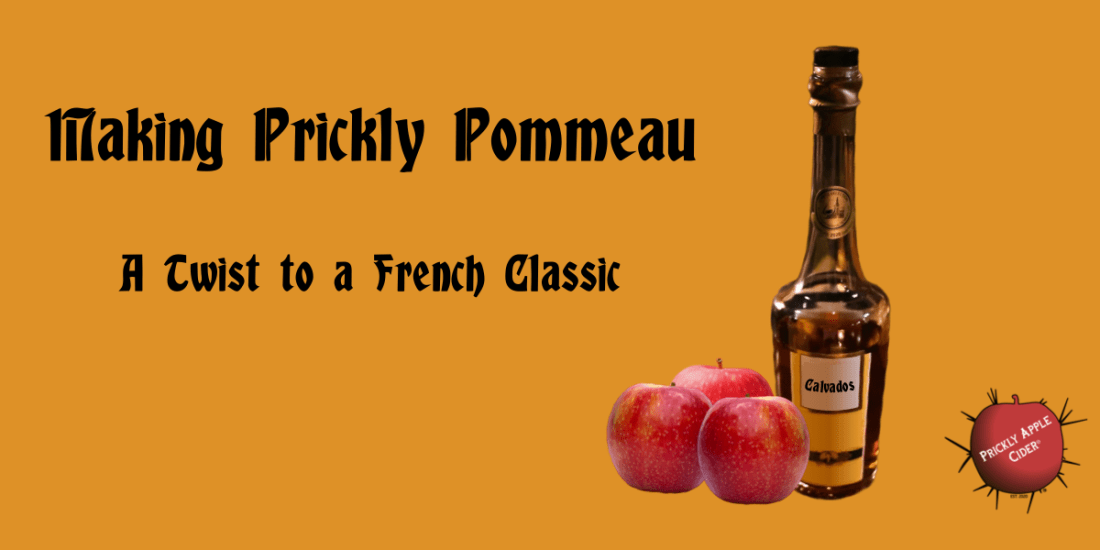
Making Prickly Pommeau

I was debating what type of ice cider to make from last season’s frozen juice. I usually like to have some type of dessert cider option that I can offer. As a note, I think of cider in three categories: Traditional, Adjunct, and Dessert. Traditional ciders are those made just from apples and pears (perry). … Continue reading Making Prickly Pommeau

Cider Fining 101

Exploring finding agents for cider.

Fining agents are more than just compounds added to help clarify your cider. They can also remove other compounds, usually with the goal of improving stability. However, these agents can impact color and aroma. As defined by R. Marchal and E.J. Waters in the book Managing Wine Quality(1), fining is the addition of a substance … Continue reading Cider Fining 101

Cider Question: Should my juice be clear or cloudy?

Cloudy or clear juice?

Should juice be clear or cloudy, or does it really matter? If you are like me, you might think that cloudy juice will provide more flavor. But, as I have learned and demonstrated with some experiments, clearer juice actually creates more fruity aromas. Juice with high turbidity (cloudy) or colloidal compounds means it has higher … Continue reading Cider Question: Should my juice be clear or cloudy?

Cider Words: Enzymes

Mālus Trivium Page Top

Enzymes commonly found in cider and perry. Enzymes are proteins that act as catalyst for chemical reactions. In cider making, they can enable or speed up these reactions. This enzymes can improve clarification, increase juice yield, extract color, enhance aroma and flavor, and stabilize your cider(1). They can also improve the nutritional characteristics of foods … Continue reading Cider Words: Enzymes

Cider Question: Do you need to use pectic enzyme?

Cider Question: Do you need to use pectic enzyme?

Pectic enzymes or what are also referred to a pectinases, are enzyme compounds that cleave or breakdown the natural pectin found in both apples and pears. Generally, pears have higher levels of natural pectin. Pectic enzymes are often produced naturally during fermentation by yeast, but as is common, the amount will vary by yeast strain. … Continue reading Cider Question: Do you need to use pectic enzyme?

Hazy Cider: Colloids

Cider Clarity - Colloidal Compounds

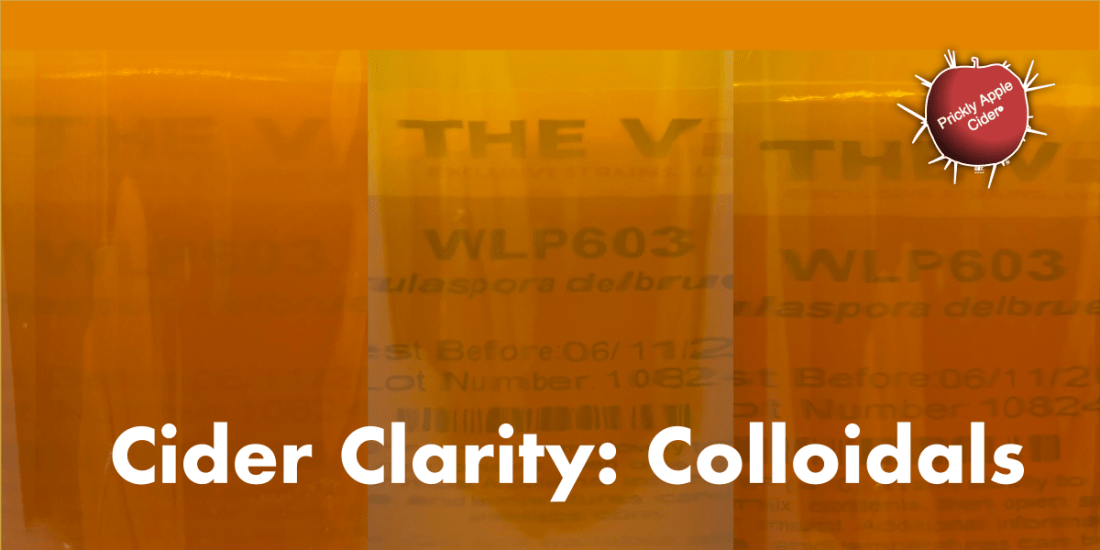
If your hard cider is hazy, it has colloids. Cider colloids are a mixture of small particles or compounds that are insoluble and evenly suspended within your cider. Colloids are generally compounds made up of carbohydrates, color compounds, or proteins(1). The carbohydrates and color compounds are usually derived from the fruit. The proteins are usually … Continue reading Hazy Cider: Colloids

Pectic Enzyme: Juice Application

Mālus Trivium Page Top

Impact of Pectic Enzyme - Juice Application Pectolyase, pectozyme, and polygalacturonase are three types of pectic emzymes or what are often called pectinases. These are naturally occurring compounds found in plants that breakdown the polysaccharide known as pectin. Pectin gives structure and strength to the plant cells. This structure is what make jelly and jam become … Continue reading Pectic Enzyme: Juice Application

Cider Words: Autolysis

Mālus Trivium Page Top

Autolysis: The decomposition of yeast cells. Why does the flavor of cider change when it ages? Part of those changes can come from bacteria or yeast. This micro flora can make malolactic fermentation (MLF) occur or a souring by Brettanomyces yeasts. However, one of the biggest impacts can come from the yeast that fermented your … Continue reading Cider Words: Autolysis