Systems Biology: Interactomics Yeast were first identified by Pasteur around 1860 and the isolation and propagation of Saccharomyces cerevisiae soon followed. However, for over a hundred years, yeast were mostly isolated from wild fermentations and propagated based on their fermentative and organoleptic properties. Not until the 1990’s did we really start breeding or mutating yeasts … Continue reading Cider Words: Interactomics
Category: Process
Cider Question: How long should you age cider?
Is there an ideal amount of time to age cider? Ultimately, there is no one single right answer to the question of how long you should age cider. That is because it depends on the cider and the conditions under which it will age. The maturation or aging of cider, like wine, will allow it … Continue reading Cider Question: How long should you age cider?
Cider Question: How to make sweet hard cider?
Cider or what some call hard cider is normally dry, which means it has little to no sugar remaining. This is because apple juice has about half the sugar that grape juice has and is often made with yeast (Saccharomyces cerevisiae) used for wine. The result is that when fermentation completes, you are likely to … Continue reading Cider Question: How to make sweet hard cider?
Non-Saccharomyces Yeast: Inoculating for Control
This is the third article in my series on non-Saccharomyces yeast. Initially, I reviewed the concept that the yeast commonly used for wine and beer, Saccharomyces cerevisiae, is not ideal for cider and could be considered a spoilage yeast. I proposed that most Saccharomyces cerevisiae yeast lack the properties critical for creating the essence of … Continue reading Non-Saccharomyces Yeast: Inoculating for Control
Cider Question: How to measure %ABV?
The simple answer to how you measure the percent alcohol by volume (%ABV) of your cider is that you subtract your final specific gravity (FG) from your original specific gravity (OG) and multiple this number by 128. The best equation for calculating hard cider %ABV If you’ve read some of my other articles, you probably … Continue reading Cider Question: How to measure %ABV?
Non-Saccharomyces Yeast: Complexity & Sweetness
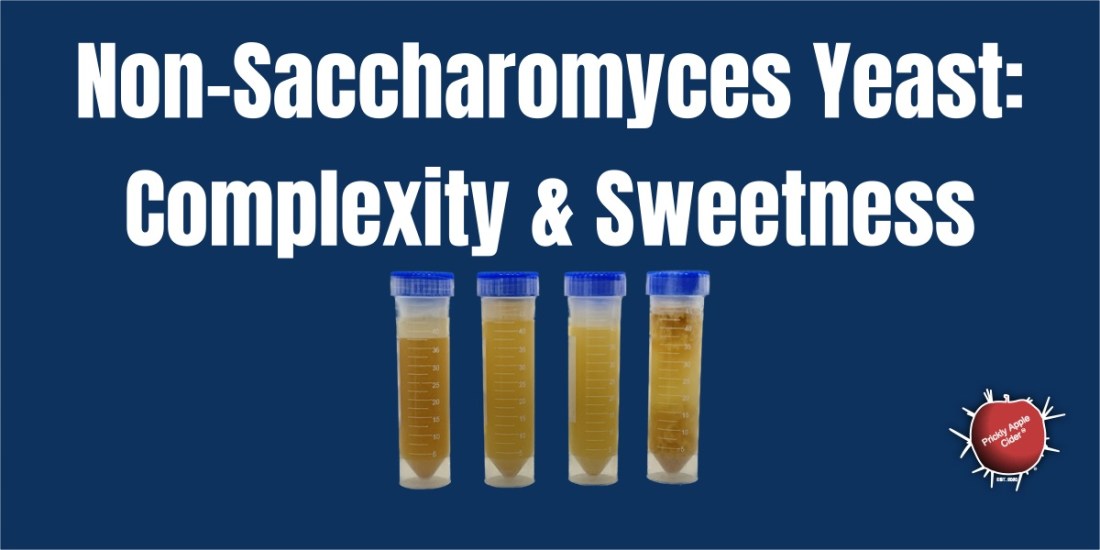
This is the second article in my series on non-Saccharomyces yeast. In the first, I challenged the concept that Saccharomyces yeast is ideal for cider. While yeast is a critical element that defines the essence of cider, I asserted the view that we needed to break away from our current beliefs about yeasts. I proposed … Continue reading Non-Saccharomyces Yeast: Complexity & Sweetness
Cider Question: Do I need to use Campden (sulfite)?
The simple answer is “no”. Campden, potassium metabisulfite, sulfite, sulphite, or whatever name or compound you use, it is not needed. This is especially true if you are unsure why you are adding it. As a general rule, if you don’t understand why you are adding something to your cider, don’t add it. This is … Continue reading Cider Question: Do I need to use Campden (sulfite)?
Non-Saccharomyces Yeast: Defining Cider from a Cider-Makers Perspective
What is the best yeast to use to make cider? The answer is simple. Whichever yeast creates the hard cider you most enjoy. Okay, I took the non-confrontational path but, it’s true. If you make cider you love from wine yeast, use it. If beer yeast makes the cider of your dreams, use it. If … Continue reading Non-Saccharomyces Yeast: Defining Cider from a Cider-Makers Perspective
Cider Question: When should I rack my cider?
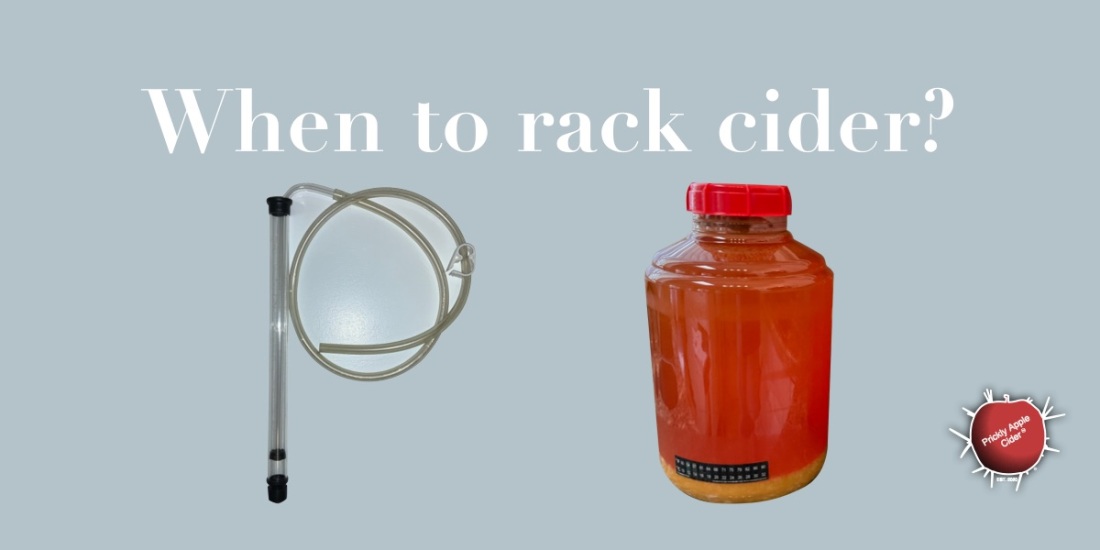
Racking your hard cider simply means to siphon off the cider leaving the bottom layer of sediment behind. To answer the question of when you should rack your cider, I first need to review the definition of sediment and lees. Apple juice contains a variety of organisms and compounds. Many of these precipitate or drop … Continue reading Cider Question: When should I rack my cider?
Cider Fundamentals: Blending Common Apples to Make Cider
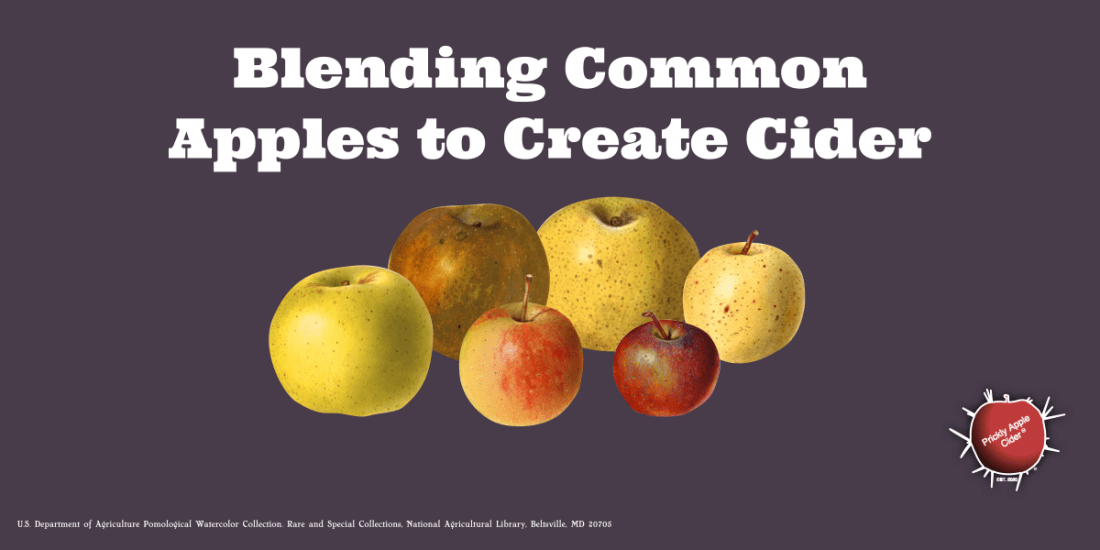
Many of us struggle to find true Bitters, which are apples that are high in tannins. Some call these cider apples because making cider is often the only good use for them. However, we should really be thinking of apples as Bitters, Sharps, and Sweets or a combination of these like Bittersweets and Bittersharps. The … Continue reading Cider Fundamentals: Blending Common Apples to Make Cider