I tested 3 samples of the strain Lachancea thermotolarens from the USDA last year. Lachancea thermotolarens is a very interesting yeast and I suggest reading my overview if you want to explore it in more detail. I also explored Pichia kluyveri, Candida zemplinina, and Hanseniaspora uvarum. Just search non-Saccharomyces on the site or look for … Continue reading Non-Saccharomyces Yeast: Lachancea thermotolarens Results
Category: Hard Cider
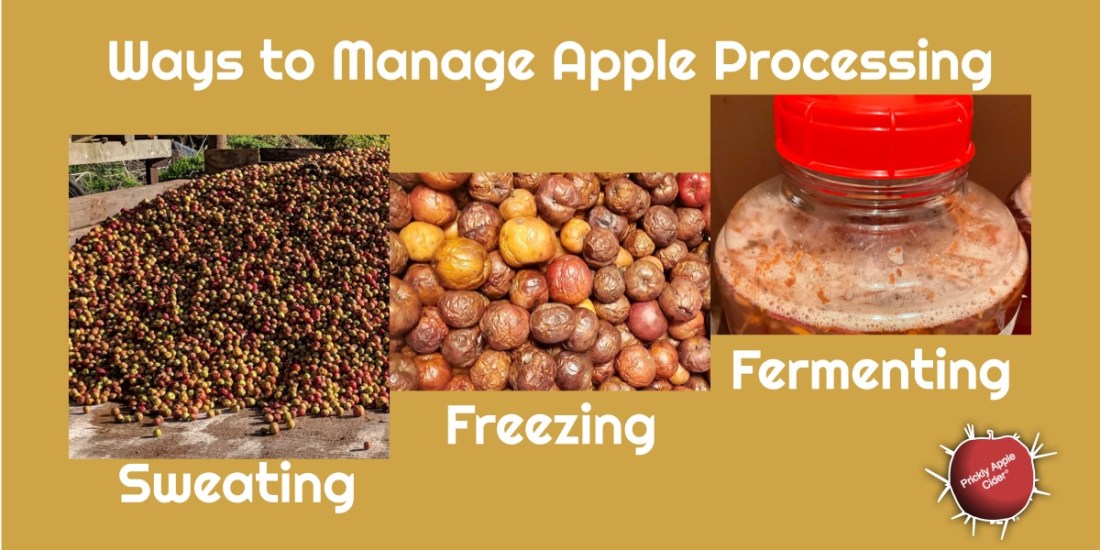
Cider Question: How can I delay processing my apples?
Things happen and you aren’t always able to process all the apples you need to fill your fermenter. For example, not all apples ripen at the same time. In fact, a single tree may take weeks to ripen all the apples on it. Maybe your grinder or press broke or you picked more apples than … Continue reading Cider Question: How can I delay processing my apples?
Non-Saccharomyces Yeast: Pichia Kluyveri Results
I obtained 11 samples of non-Saccharomyces yeast from the USDA and have been conducting trials for my hard cider batches. Three of those strains where Pichia kluyveri. If you haven't read it, I would encourage you to review my overview of Pichia kluyveri and the other strains. Just search non-Saccharomyces on the site or look … Continue reading Non-Saccharomyces Yeast: Pichia Kluyveri Results
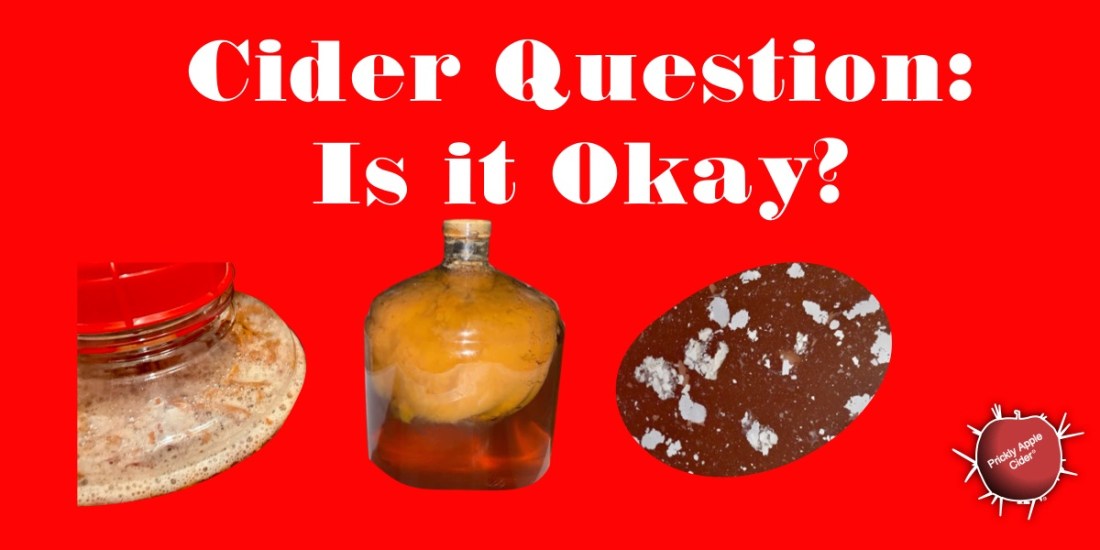
Cider Question: Does my cider look okay?
The simple question about whether someone’s hard cider looks okay usually occurs during two specific times. The first is during fermentation when yeast form what can be called a krausen or a white or brown yeast cap. The second time is after fermentation has completed and the cider is aging or maturing. During the aging … Continue reading Cider Question: Does my cider look okay?
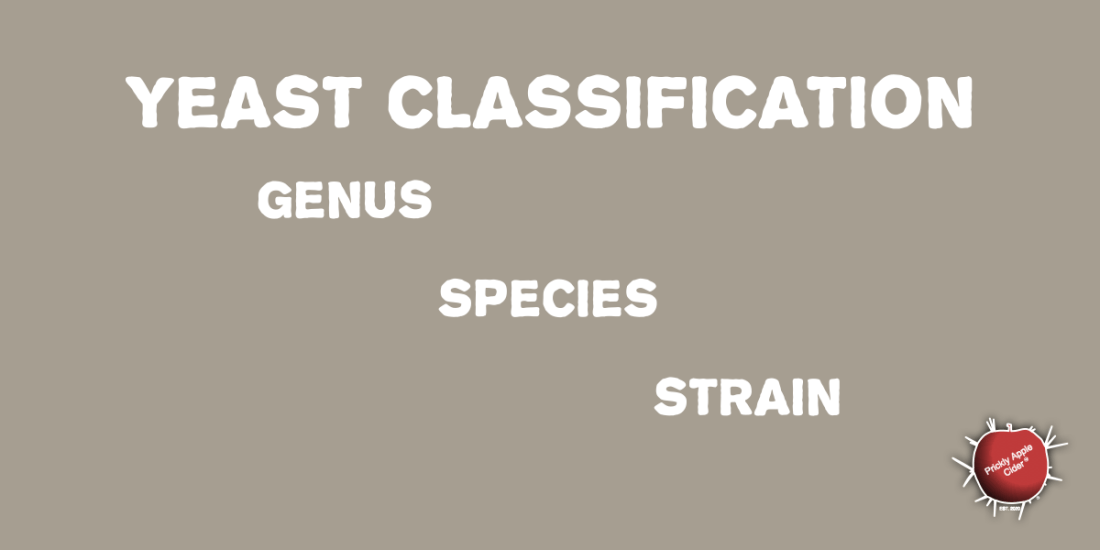
Cider Yeast: Classifications
Scientifically, yeast are identified by a classification methodology. They are part of the fungi kingdom and they will have different families and orders(1). For alcoholic beverages makers, like hard cider makers, we usually focus and talk about three classifications for yeast. The first and highest level is the genus. Saccharomyces is a genus of yeast. … Continue reading Cider Yeast: Classifications
Cider Question: Can I use apples with worm holes?
If you are like me, you are interested in trying different apples but more importantly, you’re interested in cheap apples. Those may come from a backyard or roadside tree or even from an orchard. Often, they are damaged either from insects or weather, like hail. This inevitably leads to this week’s Cider Question about whether … Continue reading Cider Question: Can I use apples with worm holes?
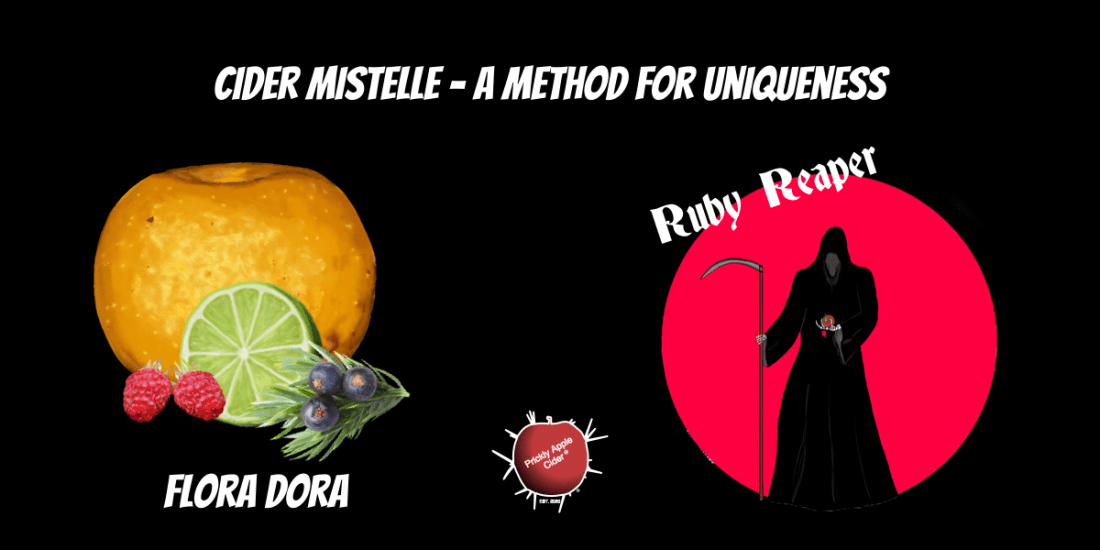
Cider Mistelle: A Method for Unique Ciders
Have you ever heard of a mistelle? I hadn’t until I was doing some research on pommeau, which is a drink made by blending calvados and apple juice. Calvados is apple brandy, also called applejack in the United States. It is basically cider that has been distilled into a spirit or liquor. If you look … Continue reading Cider Mistelle: A Method for Unique Ciders
Cider Words: Yeast Regulation
Yeast Regulation: Upregulating and Downregulating Yeast are single cell organisms that are seeking to survive and thrive in whatever environment they find themselves. As a single cell organism, we might be inclined to think of them as simple but, that would be a mistake. Yeast have a vast amount of processes they perform to live … Continue reading Cider Words: Yeast Regulation
Making Simple Cider
A Simple Recipe for Making Hard Cider I’m frequently asked for a simple hard cider recipe. I published “My First Cider” recipe several years ago, which was intended to help guide the first time cider maker. However, I recognize that it may not be considered the simplest or easiest recipe. In fact, it’s less recipe … Continue reading Making Simple Cider
Aroma Faults: Diacetyl
Cider Aroma Faults: Butter Sometimes too much of a compound is the cause of a fault. Other times, the definition of whether its a fault depends on the beverage. Diacetyl (C4H6O2) is an example of such a compound. In most beers, it’s considered a fault but, in most California chardonnays, it’s desired. Butter is the … Continue reading Aroma Faults: Diacetyl