If you have been wondering, I am still here! 😁 Besides settling into our new home and routines, I started exploring some additional cider yeasts (also known as non-Saccharomyces strains). This season, I tested two more non-Saccharomyces cultures. I used the same juice, created from a mix of “Super Yellow” rootstock, Hardy Cumberland, and Arkansas … Continue reading Cider Yeast Exploration: New Strains Explored
Tag: NST
Cider Musings: Keeving
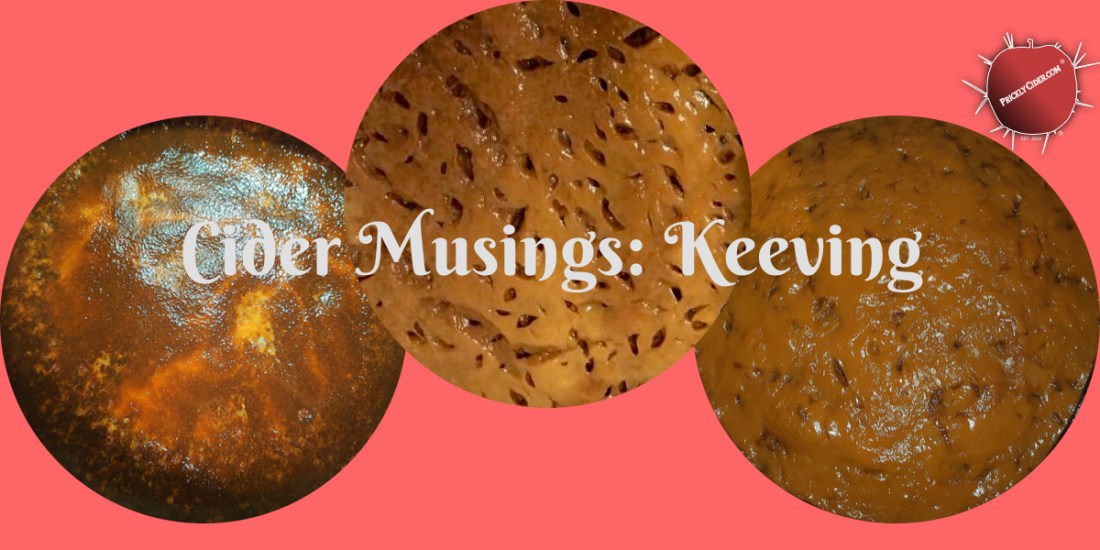
Musing: I believe yeast is the most important factor deciding whether a keeve will be successful or not. Let me explain. Keeving is a process that uses nutrient deprivation to create a naturally sweet hard cider. The main characteristic of a keeve is the formation of a thick cap. It is usually gelatinous but sometimes … Continue reading Cider Musings: Keeving
Non-Saccharomyces Yeast: Zygoscharromyces rouxii Results
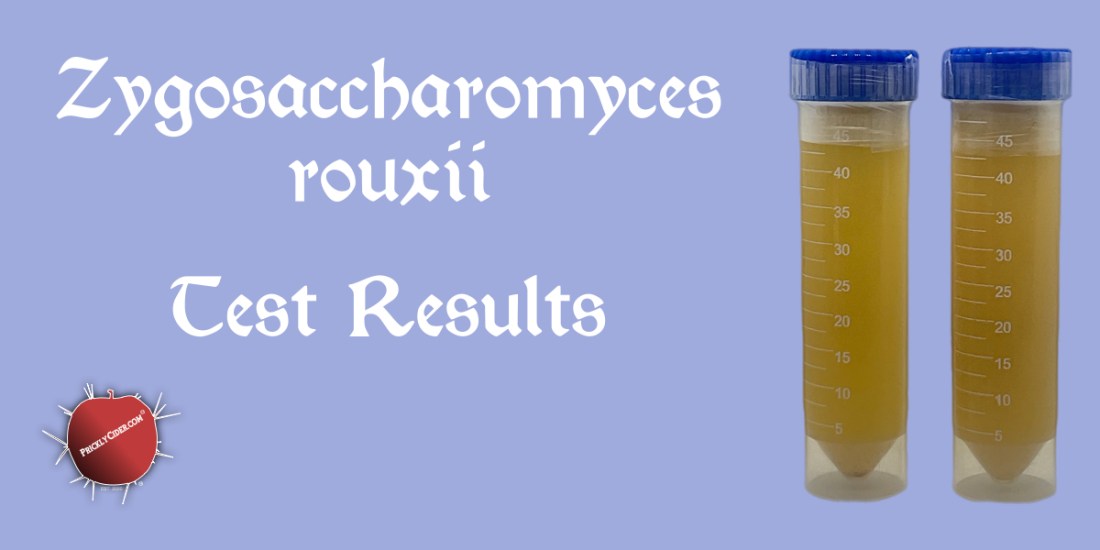
Last season, I obtained some additional non-Saccharomyces yeast samples from the USDA-ARS Culture Collection (NRRL), which is based in Illinois. In this batch, I received two strains of Zygosaccharomyces rouxii yeast (Y-229 and Y-1294), which is a species that was positively noted in various research papers. For reference, Y-229 was found in grape must in … Continue reading Non-Saccharomyces Yeast: Zygoscharromyces rouxii Results
Non-Saccharomyces Yeast: Inoculating for Control

This is the third article in my series on non-Saccharomyces yeast. Initially, I reviewed the concept that the yeast commonly used for wine and beer, Saccharomyces cerevisiae, is not ideal for cider and could be considered a spoilage yeast. I proposed that most Saccharomyces cerevisiae yeast lack the properties critical for creating the essence of … Continue reading Non-Saccharomyces Yeast: Inoculating for Control
Non-Saccharomyces Yeast: Complexity & Sweetness
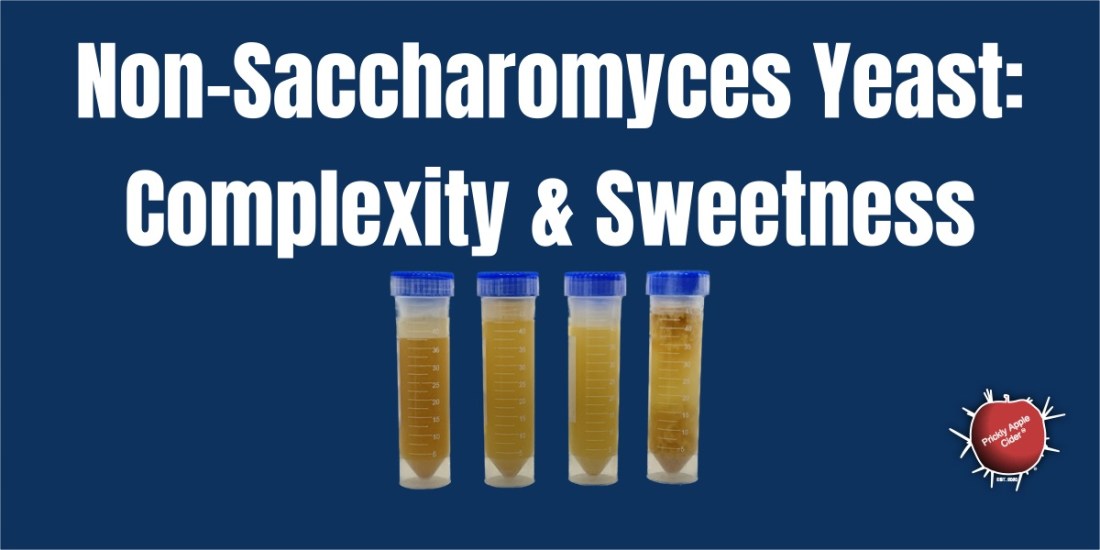
This is the second article in my series on non-Saccharomyces yeast. In the first, I challenged the concept that Saccharomyces yeast is ideal for cider. While yeast is a critical element that defines the essence of cider, I asserted the view that we needed to break away from our current beliefs about yeasts. I proposed … Continue reading Non-Saccharomyces Yeast: Complexity & Sweetness
Non-Saccharomyces Yeast: Defining Cider from a Cider-Makers Perspective

What is the best yeast to use to make cider? The answer is simple. Whichever yeast creates the hard cider you most enjoy. Okay, I took the non-confrontational path but, it’s true. If you make cider you love from wine yeast, use it. If beer yeast makes the cider of your dreams, use it. If … Continue reading Non-Saccharomyces Yeast: Defining Cider from a Cider-Makers Perspective
Non-Saccharomyces Yeast: Hanseniaspora uvarum Results

I was able to assess three Hanseniaspora uvarum yeast strains from the USDA culture collection for use in cider making. I provided a detailed overview on these and other non-Saccharomyces strains in earlier articles. Just search for non-Saccharomyces on the site or look in the post carousal below for the links. Hanseniaspora uvarum is a … Continue reading Non-Saccharomyces Yeast: Hanseniaspora uvarum Results
Non-Saccharomyces Yeast: Lachancea thermotolarens Results

I tested 3 samples of the strain Lachancea thermotolarens from the USDA last year. Lachancea thermotolarens is a very interesting yeast and I suggest reading my overview if you want to explore it in more detail. I also explored Pichia kluyveri, Candida zemplinina, and Hanseniaspora uvarum. Just search non-Saccharomyces on the site or look for … Continue reading Non-Saccharomyces Yeast: Lachancea thermotolarens Results
Non-Saccharomyces Yeast: Pichia Kluyveri Results

I obtained 11 samples of non-Saccharomyces yeast from the USDA and have been conducting trials for my hard cider batches. Three of those strains where Pichia kluyveri. If you haven't read it, I would encourage you to review my overview of Pichia kluyveri and the other strains. Just search non-Saccharomyces on the site or look … Continue reading Non-Saccharomyces Yeast: Pichia Kluyveri Results
Alternative Cider Yeast: Pichia kluyveri Overview

Pichia kluyveri is found on many types of fruit but also on the fleshy part of the plant(1). Several isolated strains came from prickly pears in Arizona and California, which I appreciate given where I currently live. However, it was also isolated from olives and is very common on apples as well as coffee. It … Continue reading Alternative Cider Yeast: Pichia kluyveri Overview
 PricklyCider.com