If you have been wondering, I am still here! 😁 Besides settling into our new home and routines, I started exploring some additional cider yeasts (also known as non-Saccharomyces strains). This season, I tested two more non-Saccharomyces cultures. I used the same juice, created from a mix of “Super Yellow” rootstock, Hardy Cumberland, and Arkansas … Continue reading Cider Yeast Exploration: New Strains Explored
Tag: Non-Saccharomyces
Exploring Non-Saccharomyces Yeast: Cider Yeast
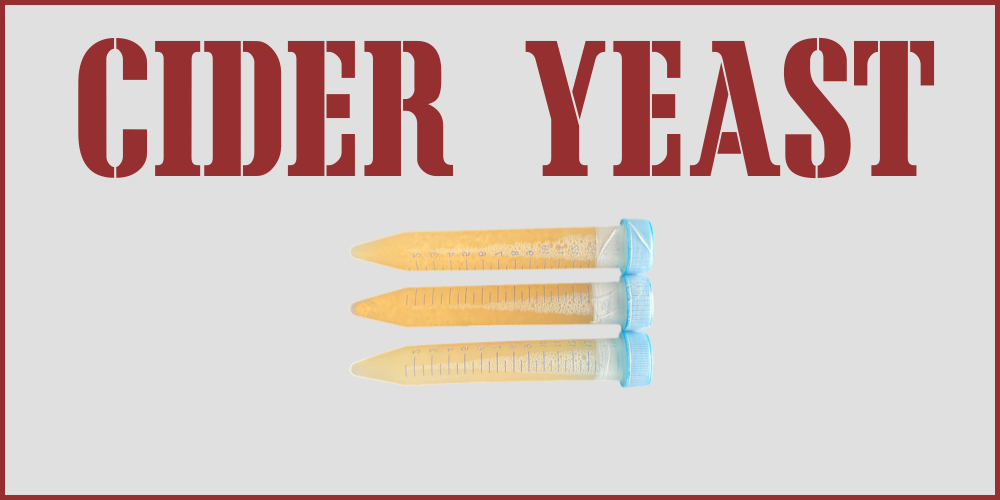
I have returned from my European adventure and am back home in Southern Arizona. Therefore, I am again shipping cider yeast to those in the contiguous United States. You may remember that I was experimenting with various non-Saccharomyces yeast strains (search “non-Saccharomyces” below for more of those articles) from the USDA culture center in Illinois. … Continue reading Exploring Non-Saccharomyces Yeast: Cider Yeast
Making Rosé Cider
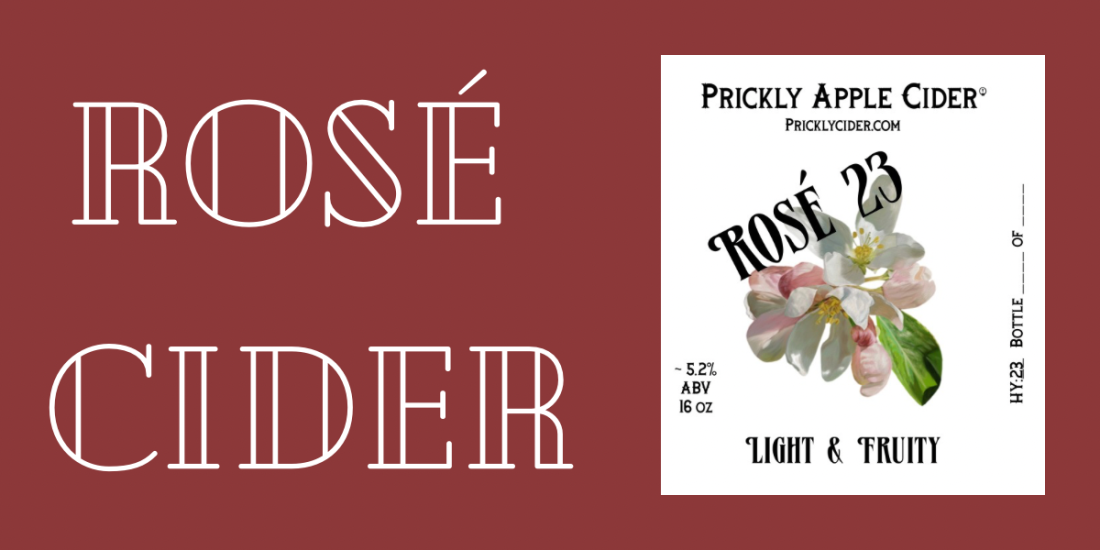
As I noted in an earlier post on Rosé ciders, I was surprised to find so many during a visit to Normandy, France. I even saw some of the red-fleshed apples, which they use, growing in an orchard. Red or pink fleshed apples are a great option for making a rosé. However, if you are … Continue reading Making Rosé Cider
Cider Musings: Wild or Natural

We have probably all heard the idiom "You say toe-mah-toe, I say toe-may-toe". Is that like saying a wild ferment and a natural ferment? Are they the same or do they mean different things? What about commercial yeast? As these errant thoughts started swirling in my head, I thought this is the perfect topic for a Cider Musing. I can … Continue reading Cider Musings: Wild or Natural
Cider Quiz Answers: Question #10

Spoiler Alert: If you haven’t taken Cider Quiz #1, click here to take it before exploring the answers. Question #10, the final question in the quiz, is at the root of both challenges and opportunities for the cider maker as it explores the difference between hard cider and wine. You will find various articles about the uniqueness … Continue reading Cider Quiz Answers: Question #10
Cider Musings: Keeving
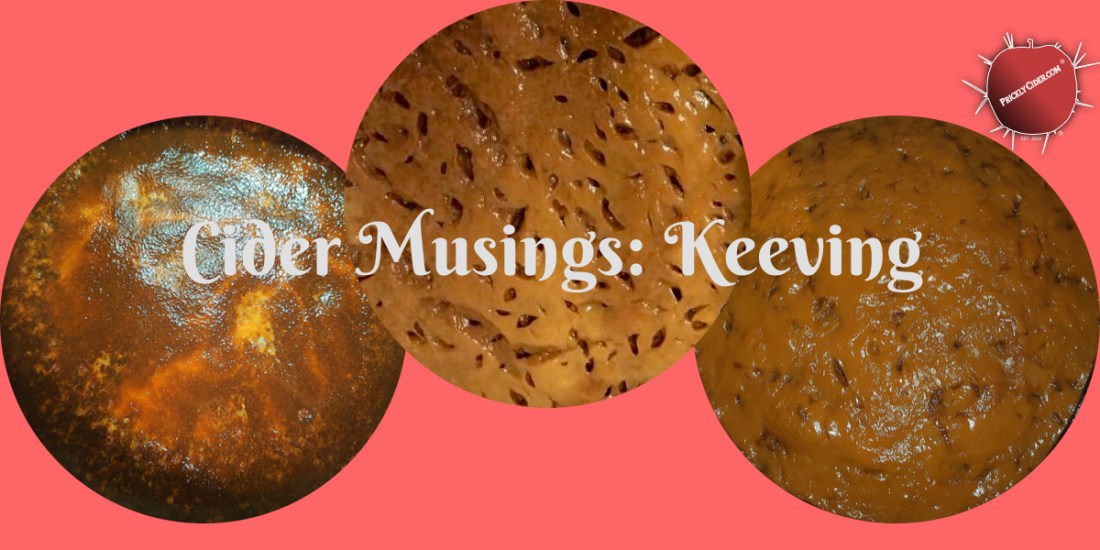
Musing: I believe yeast is the most important factor deciding whether a keeve will be successful or not. Let me explain. Keeving is a process that uses nutrient deprivation to create a naturally sweet hard cider. The main characteristic of a keeve is the formation of a thick cap. It is usually gelatinous but sometimes … Continue reading Cider Musings: Keeving
The Shop: Cider Yeast
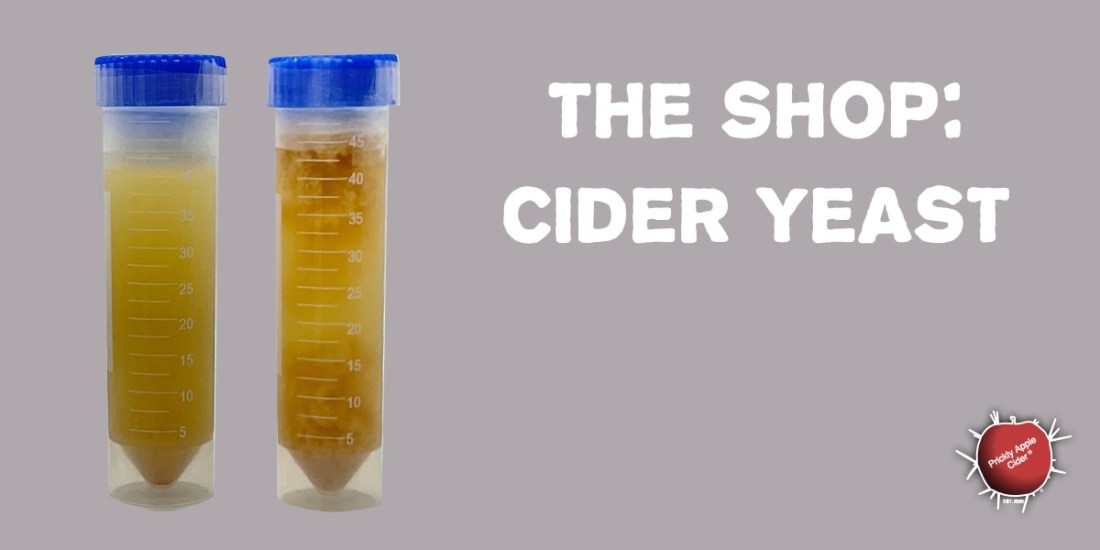
(UPDATE: Sep 25, 2025) We decided to explore Europe for a while but are now firmly back in Southern Arizona in the United States. What that means is that I am now able to ship Cider Yeast to those living in the contiguous 48 states. Sorry to those in other locations, I have explored shipping … Continue reading The Shop: Cider Yeast
Cider Facts: Sugar and Acetic Acid
Sugars impact on acetic acid production in wine. Did you know that the amount of sugar in your juice can impact the amount of acetic acid produced. As noted in the Handbook on Enology(1), wines with higher specific gravity produced more acetic acid when fermented with Saccharomyces cerevisiae yeasts. As shown in the above chart, … Continue reading Cider Facts: Sugar and Acetic Acid
Cider Question: What is the best yeast to use for making cider?

It seems like a simple question, but it’s really one of the most difficult to answer. Rarely is this question answered properly. More commonly, a quick answer is provided. That quick answer can be complex, like use this yeast for fruity flavors and this yeast for phenolic flavors. The quick response can also be simple, … Continue reading Cider Question: What is the best yeast to use for making cider?
Non-Saccharomyces Yeast: Zygoscharromyces rouxii Results
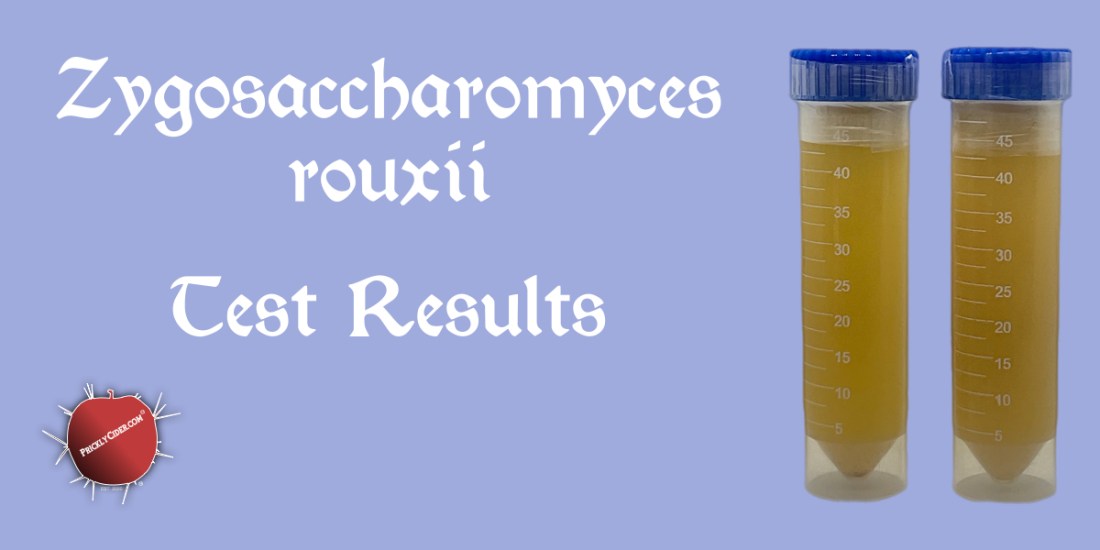
Last season, I obtained some additional non-Saccharomyces yeast samples from the USDA-ARS Culture Collection (NRRL), which is based in Illinois. In this batch, I received two strains of Zygosaccharomyces rouxii yeast (Y-229 and Y-1294), which is a species that was positively noted in various research papers. For reference, Y-229 was found in grape must in … Continue reading Non-Saccharomyces Yeast: Zygoscharromyces rouxii Results
 PricklyCider.com