Cider Quiz Answers: Question #8

Cider Quiz Answers

Spoiler Alert: If you haven’t taken Cider Quiz #1, click here to take it before exploring the answers. Question #8 explores malolactic fermentation (MLF). You will find various related articles, including one specifically focused on this questions at the bottom of this page.  Question #8: How do you encourage malolactic fermentation (MLF) in your cider? Malolactic Fermentation (MLF) … Continue reading Cider Quiz Answers: Question #8
Cider Quiz Answers: Question #4

Cider Quiz Answers

Spoiler Alert: If you haven’t taken Cider Quiz #1, click here to take it before exploring the answers. You can also find related articles about sulfites (Campden) and what they do and don't do in the list of articles at the bottom of this post. If you can get a copy, I encourage you to read … Continue reading Cider Quiz Answers: Question #4

Cider Question: What is racking and why is it performed?

Racking Cider

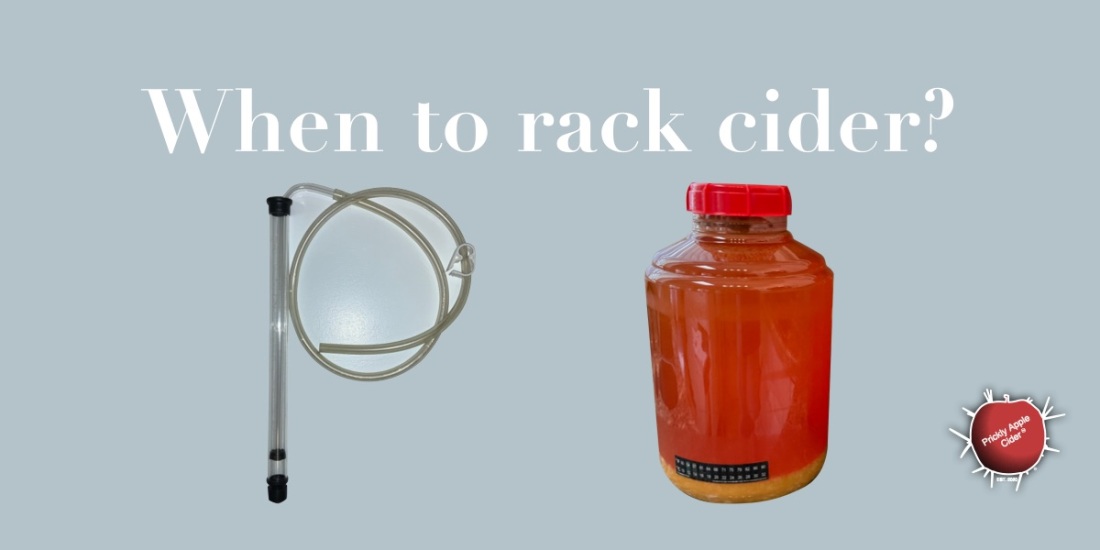
Racking is a term used quite often by cider makers. It simply means to siphon off the clearer juice or cider from the sediment or lees that accumulate on the bottom of the container. The origin may be related to the old French word arracar, which meant to drain. A racking cane or tube is … Continue reading Cider Question: What is racking and why is it performed?

Cider Poll – The Art of Aging Cider

Cider Aging

There is art and science involved in making great hard cider. PricklyCider.com is dedicated to helping you understand both the art and the science involved in the process. One idea I have been working to implement is a way to engage more of the expertise and experience from active cider makers around the world. With … Continue reading Cider Poll – The Art of Aging Cider

Cider Equipment: Aging

Cider Equipment: Aging & Maturation

I broke down the equipment used to make hard cider into the following three basic process steps. Fermentation Equipment Aging Equipment Bottling Equipment In this post, I’ll cover the Aging step. You can find PDF files of each step in The Shop. As I did with my other posts, I am taking the view of … Continue reading Cider Equipment: Aging

Cider Question: How long should you age cider?

How long to age cider?

Is there an ideal amount of time to age cider? Ultimately, there is no one single right answer to the question of how long you should age cider. That is because it depends on the cider and the conditions under which it will age. The maturation or aging of cider, like wine, will allow it … Continue reading Cider Question: How long should you age cider?

Cider Question: How to make sweet hard cider?

How to make cider sweet

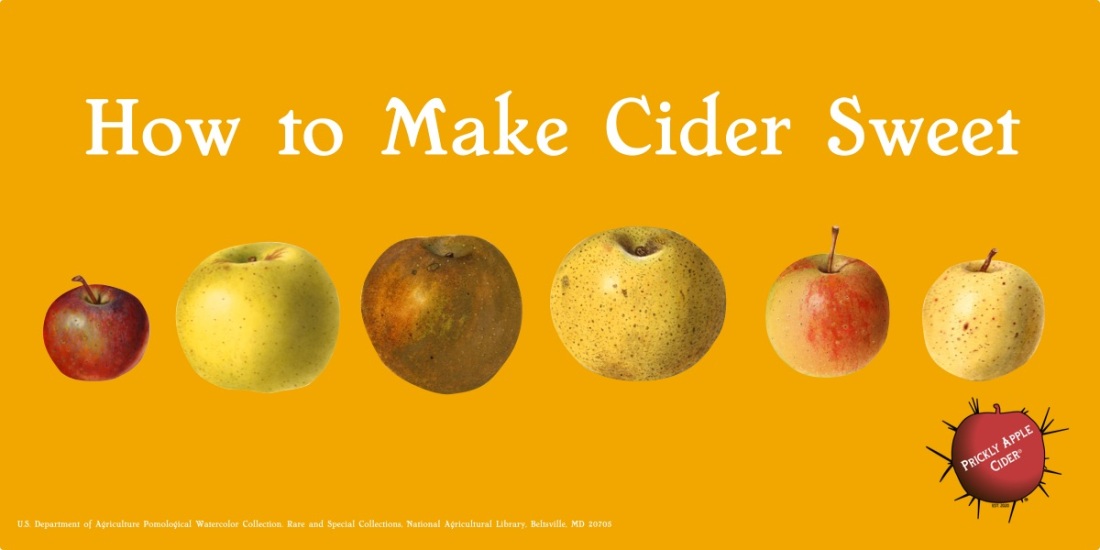
Cider or what some call hard cider is normally dry, which means it has little to no sugar remaining. This is because apple juice has about half the sugar that grape juice has and is often made with yeast (Saccharomyces cerevisiae) used for wine. The result is that when fermentation completes, you are likely to … Continue reading Cider Question: How to make sweet hard cider?

Cider Question: Do I need to use Campden (sulfite)?

Sulfite addition to cider

The simple answer is “no”. Campden, potassium metabisulfite, sulfite, sulphite, or whatever name or compound you use, it is not needed. This is especially true if you are unsure why you are adding it. As a general rule, if you don’t understand why you are adding something to your cider, don’t add it. This is … Continue reading Cider Question: Do I need to use Campden (sulfite)?

Cider Question: When should I rack my cider?

RackongnCider

Racking your hard cider simply means to siphon off the cider leaving the bottom layer of sediment behind. To answer the question of when you should rack your cider, I first need to review the definition of sediment and lees. Apple juice contains a variety of organisms and compounds. Many of these precipitate or drop … Continue reading Cider Question: When should I rack my cider?

Malolactic Fermentation and Citric Acid

Understanding the impact of Malolactic Fermentation to Citric Acid

Malolactic Fermentation or what is often referred to simply as MLF, is the process where lactic acid bacteria converts malic acid to lactic acid. For cider makers, MLF can be a very important process because apples are high in malic acid. As a result, MLF can reduce the acidity found in hard cider made from … Continue reading Malolactic Fermentation and Citric Acid