If you have been wondering, I am still here! 😁 Besides settling into our new home and routines, I started exploring some additional cider yeasts (also known as non-Saccharomyces strains). This season, I tested two more non-Saccharomyces cultures. I used the same juice, created from a mix of “Super Yellow” rootstock, Hardy Cumberland, and Arkansas … Continue reading Cider Yeast Exploration: New Strains Explored
Category: Non-Saccharomyces
Exploring Non-Saccharomyces Yeast: Cider Yeast
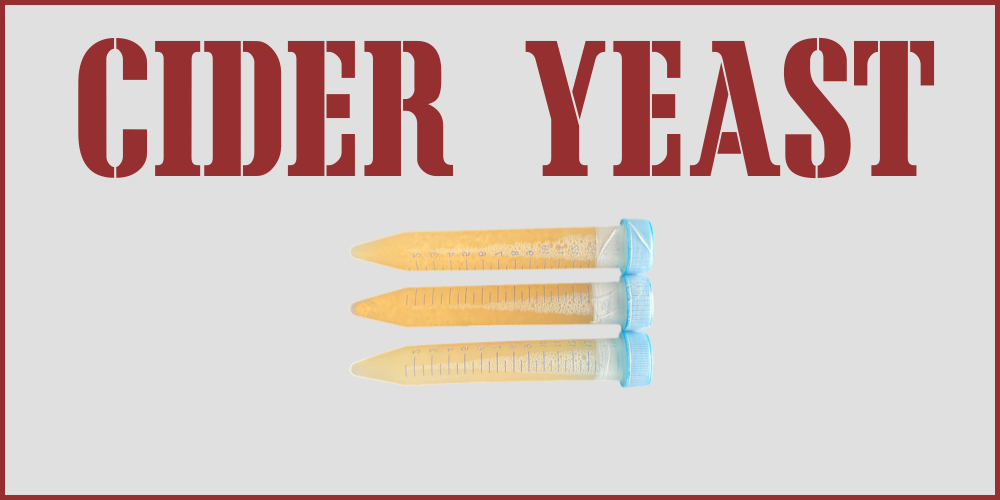
I have returned from my European adventure and am back home in Southern Arizona. Therefore, I am again shipping cider yeast to those in the contiguous United States. You may remember that I was experimenting with various non-Saccharomyces yeast strains (search “non-Saccharomyces” below for more of those articles) from the USDA culture center in Illinois. … Continue reading Exploring Non-Saccharomyces Yeast: Cider Yeast
Cider Question: Are some crabapples poisonous?
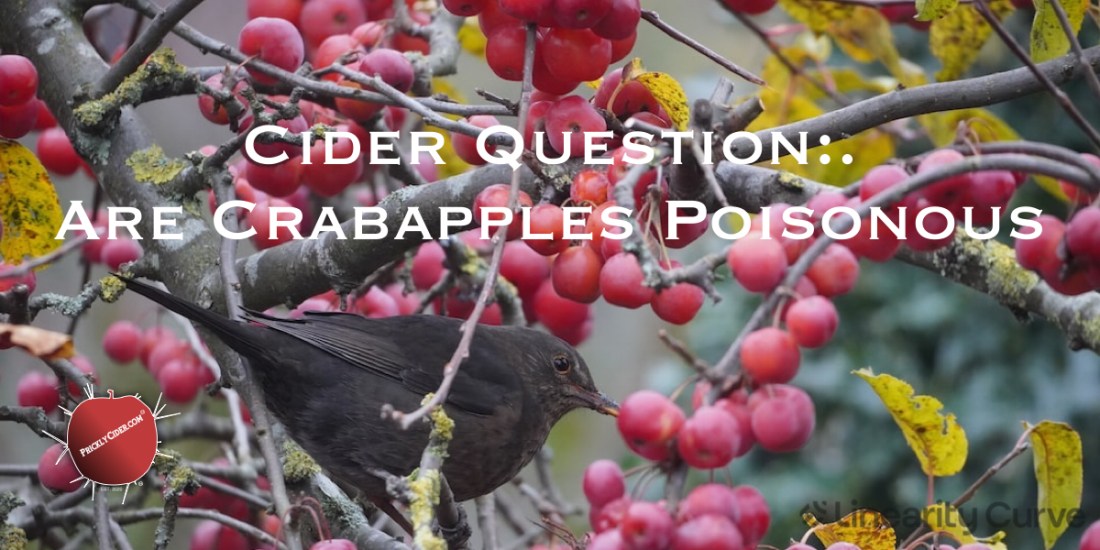
Often the answer to common questions about hard cider and the cider making process is that it depends. For this question, I can firmly say the answer is no. Crabapples are not poisonous. You may be wondering why this is even a question. Growing up, I believed they were poisonous. We were told not to … Continue reading Cider Question: Are some crabapples poisonous?
The Shop: Cider Yeast
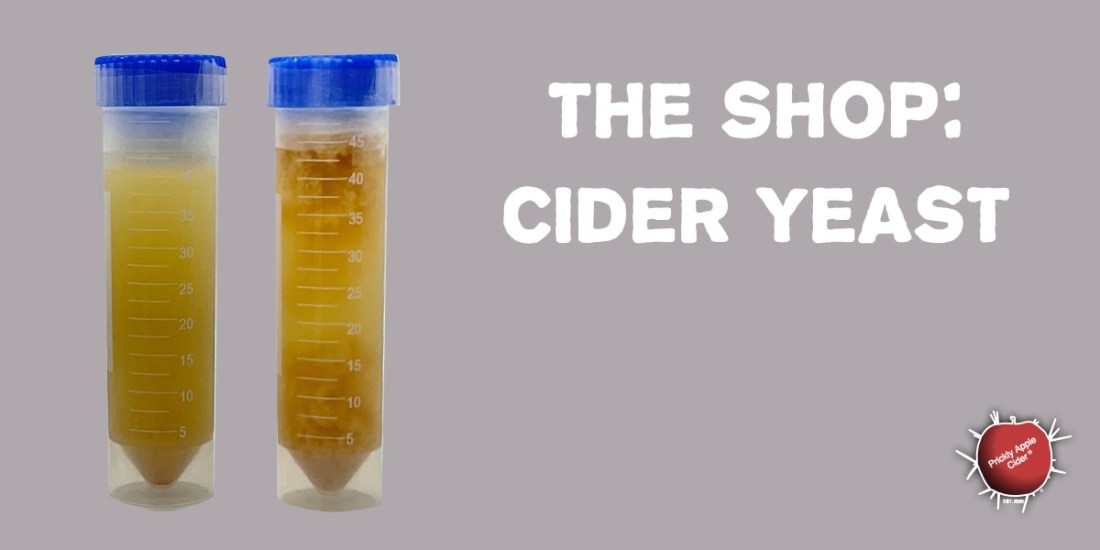
(UPDATE: Sep 25, 2025) We decided to explore Europe for a while but are now firmly back in Southern Arizona in the United States. What that means is that I am now able to ship Cider Yeast to those living in the contiguous 48 states. Sorry to those in other locations, I have explored shipping … Continue reading The Shop: Cider Yeast
Cider Question: What is the best yeast to use for making cider?

It seems like a simple question, but it’s really one of the most difficult to answer. Rarely is this question answered properly. More commonly, a quick answer is provided. That quick answer can be complex, like use this yeast for fruity flavors and this yeast for phenolic flavors. The quick response can also be simple, … Continue reading Cider Question: What is the best yeast to use for making cider?
Cider Question: What is racking and why is it performed?

Racking is a term used quite often by cider makers. It simply means to siphon off the clearer juice or cider from the sediment or lees that accumulate on the bottom of the container. The origin may be related to the old French word arracar, which meant to drain. A racking cane or tube is … Continue reading Cider Question: What is racking and why is it performed?
Non-Saccharomyces Yeast: Inoculating for Control

This is the third article in my series on non-Saccharomyces yeast. Initially, I reviewed the concept that the yeast commonly used for wine and beer, Saccharomyces cerevisiae, is not ideal for cider and could be considered a spoilage yeast. I proposed that most Saccharomyces cerevisiae yeast lack the properties critical for creating the essence of … Continue reading Non-Saccharomyces Yeast: Inoculating for Control
Non-Saccharomyces Yeast: Complexity & Sweetness
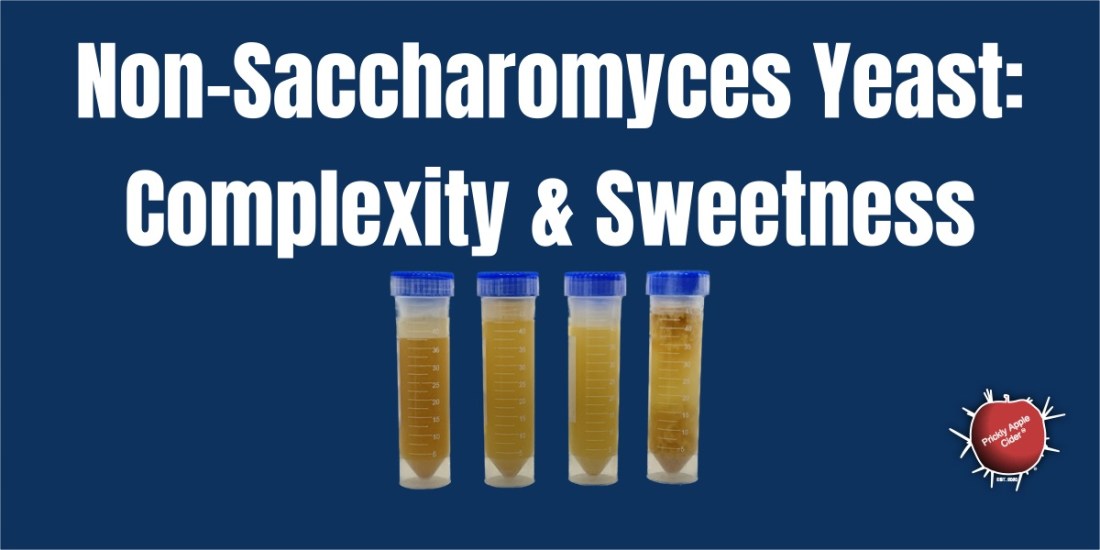
This is the second article in my series on non-Saccharomyces yeast. In the first, I challenged the concept that Saccharomyces yeast is ideal for cider. While yeast is a critical element that defines the essence of cider, I asserted the view that we needed to break away from our current beliefs about yeasts. I proposed … Continue reading Non-Saccharomyces Yeast: Complexity & Sweetness
Non-Saccharomyces Yeast: Defining Cider from a Cider-Makers Perspective

What is the best yeast to use to make cider? The answer is simple. Whichever yeast creates the hard cider you most enjoy. Okay, I took the non-confrontational path but, it’s true. If you make cider you love from wine yeast, use it. If beer yeast makes the cider of your dreams, use it. If … Continue reading Non-Saccharomyces Yeast: Defining Cider from a Cider-Makers Perspective
Alternative Cider Yeast: Pichia kluyveri Overview

Pichia kluyveri is found on many types of fruit but also on the fleshy part of the plant(1). Several isolated strains came from prickly pears in Arizona and California, which I appreciate given where I currently live. However, it was also isolated from olives and is very common on apples as well as coffee. It … Continue reading Alternative Cider Yeast: Pichia kluyveri Overview
 PricklyCider.com