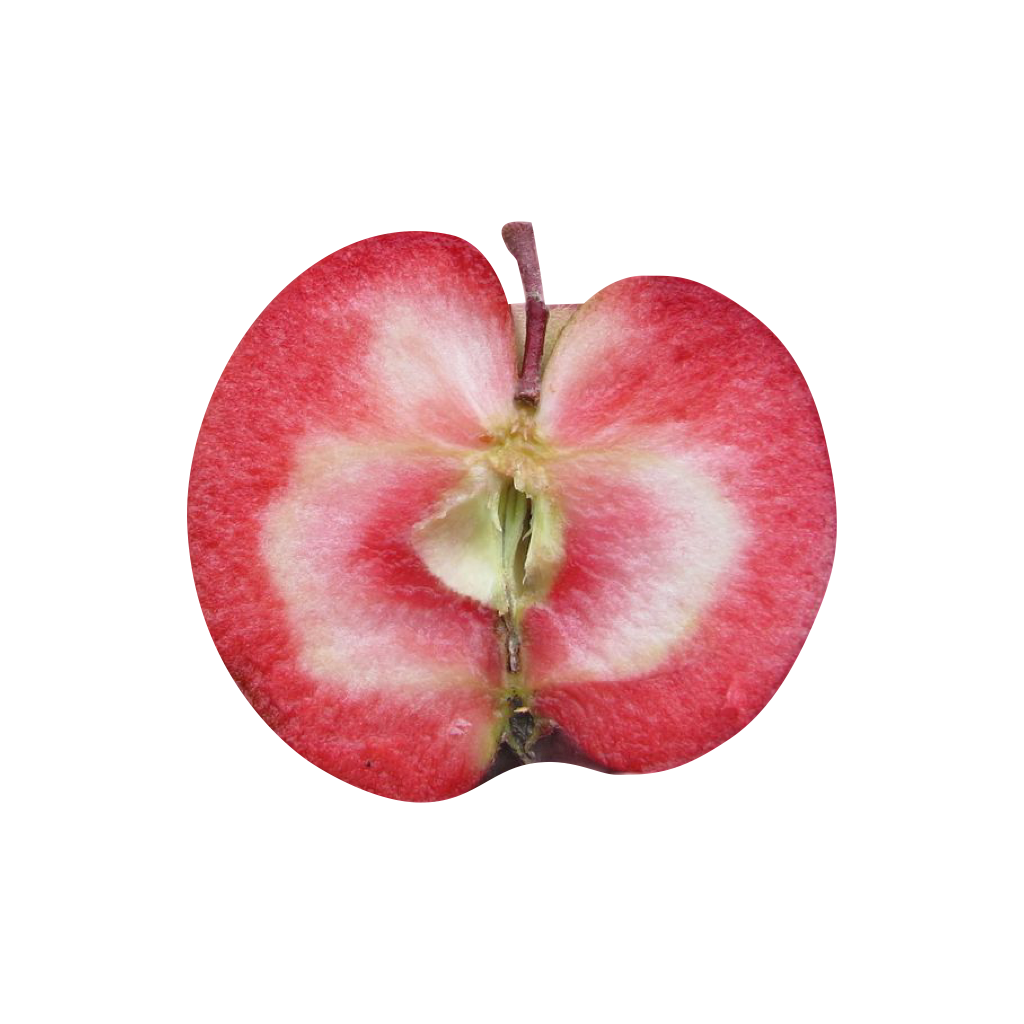
Rosé wine is made by allowing the grape juice to macerate and even partially ferment on the grape skins to extract some anthocyanins and produce a pink to light red color of wine. For cider, you actually have two methods for producing a pink or red cider. Unlike grapes, there are red and pink apples. The juice is actually pink or even deep red when pressed. They are many different varieties but here are a few of the more common examples.
Hidden Rose (Airlie Redflesh)
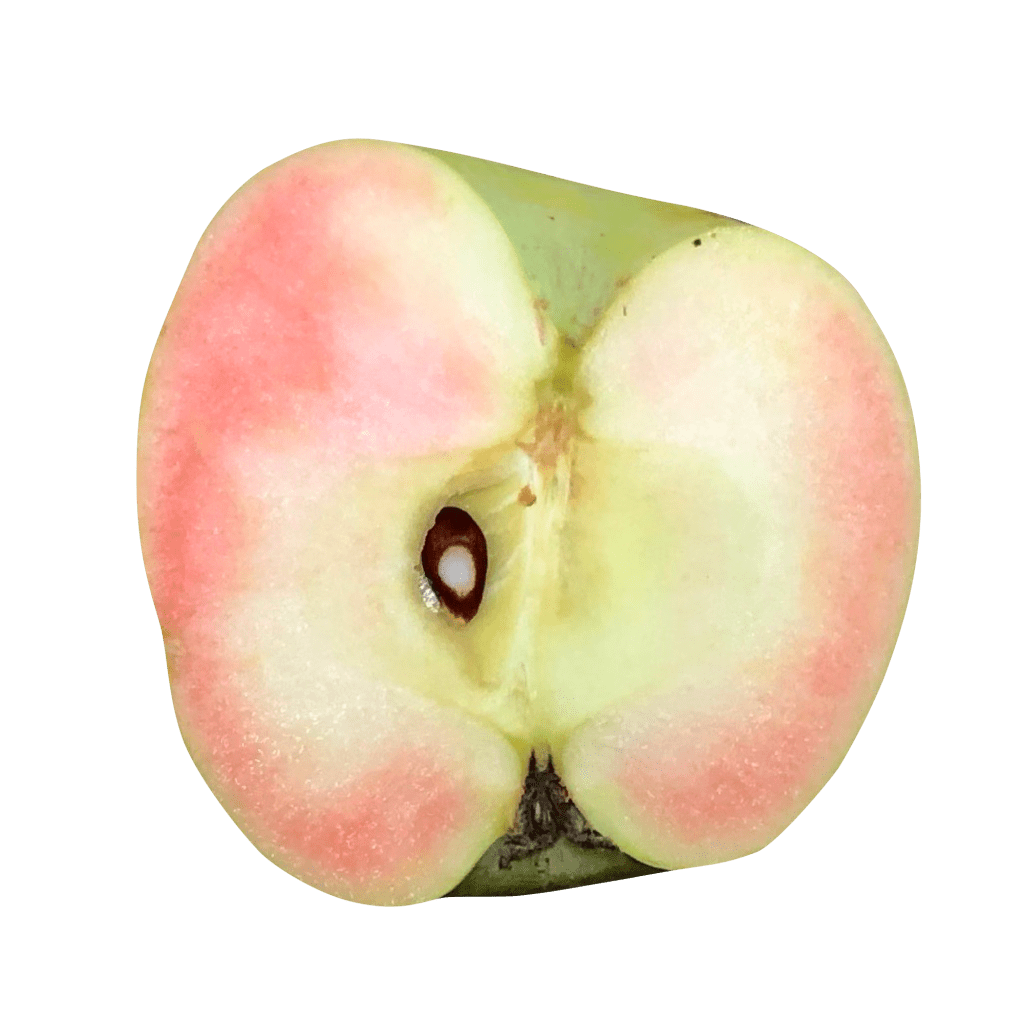
Pink Pearl
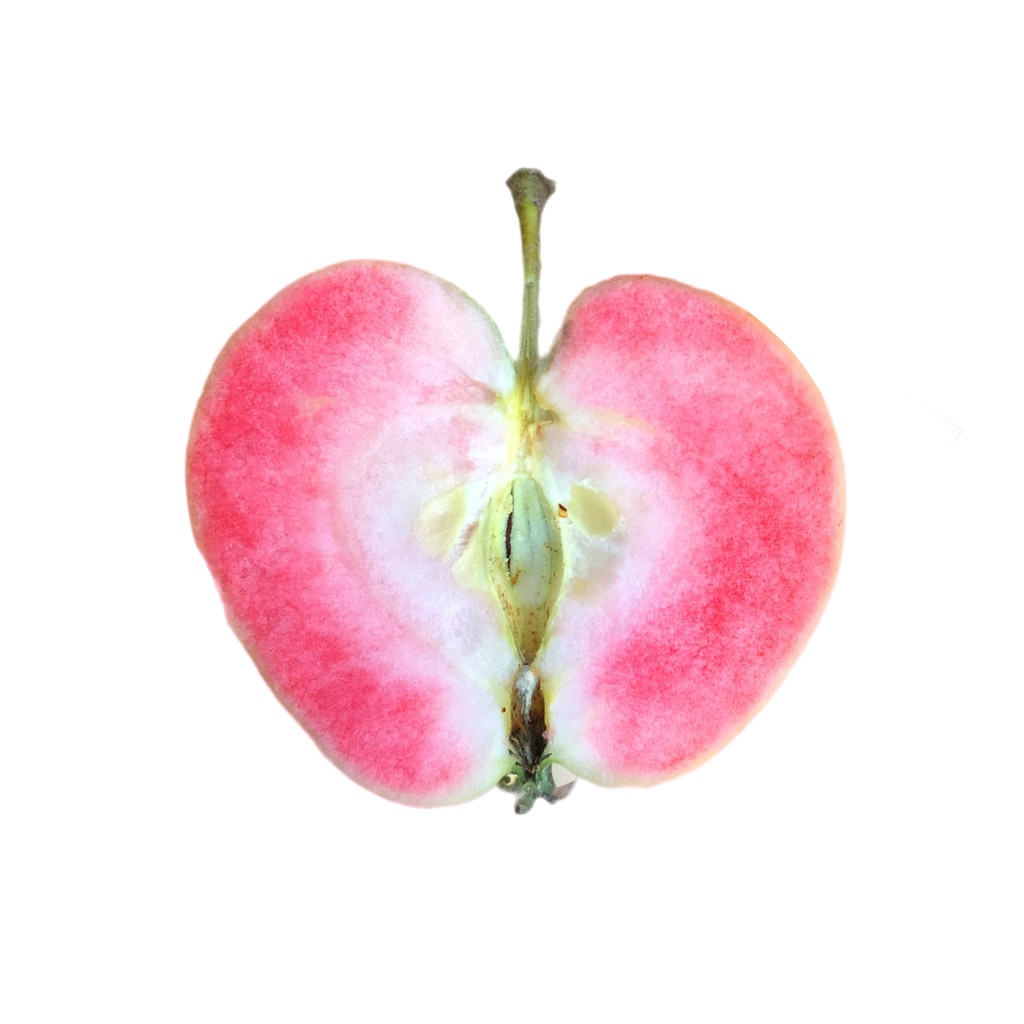
Brown’s
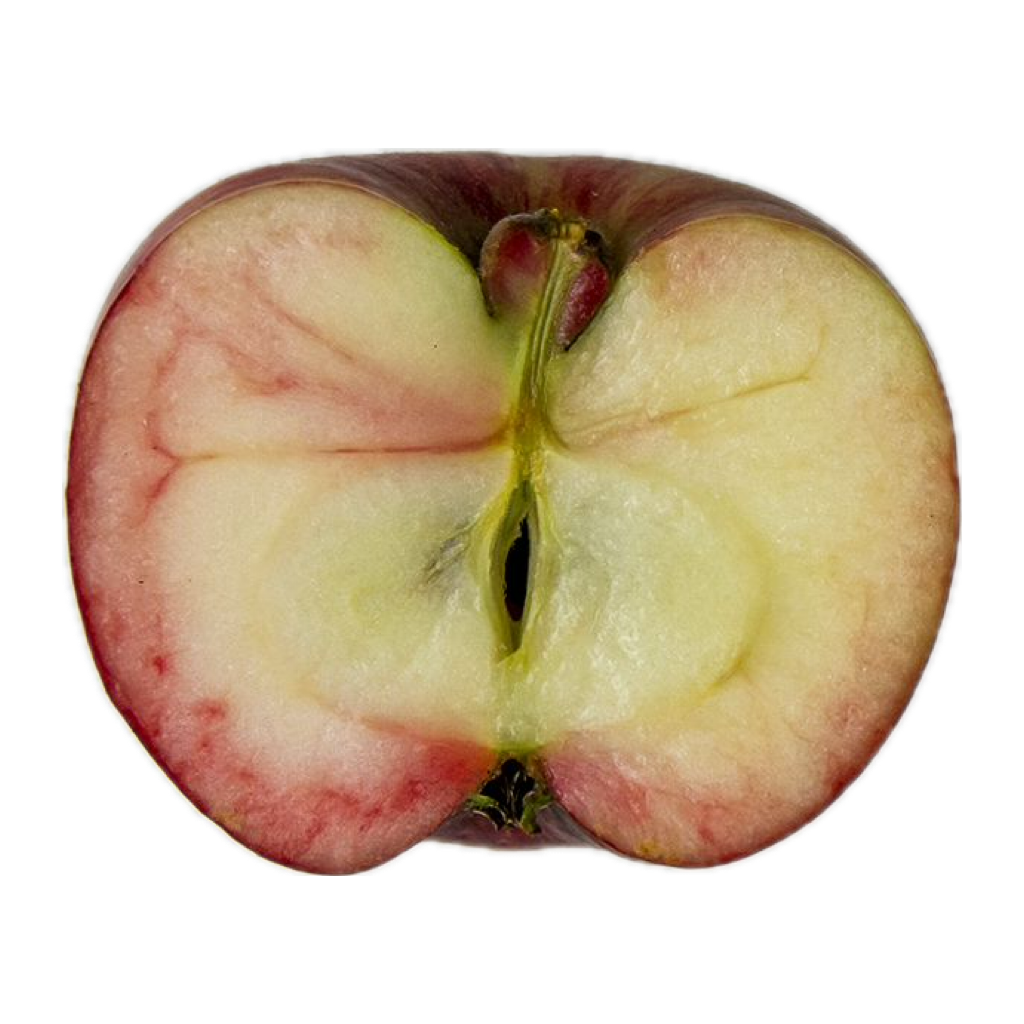
Geneva Crab Apple
The other method is to use a process similar to wine, which is to extract color from the peels of the apple. That is how I have made several rosé ciders. You can even make a l’orange cider by using yellow peels versus red peels. The yellow tends to turn orange but you can also add some red peels with the yellow to encourage even more orange. I recommend adding the peel of one large apple per liter or the peels of 4-5 apples per gallon. You can increase or decrease as needed. It doesn’t require an excessive amount to get positive results. However, the more you include and the brighter the color, the stronger the hue. I like use Arkansas Black peels but another great and common apple is the Red Delicious or Starkling, a Red Delicious sport.
To maximize the extraction, I recommend freezing the peels and then microwaving them. You can peel the apples prior to juicing them, and put the peels in the freezer overnight. In the morning, microwave the peels multiple times for around one minute each time. Freezing the peels, helps break down any fruit flesh on the peel and microwaving them creates an instantaneous heating effect. This avoids “cooked” characteristics but also does a great job of breaking down cell walls and releasing the phenolic compounds from the peel.
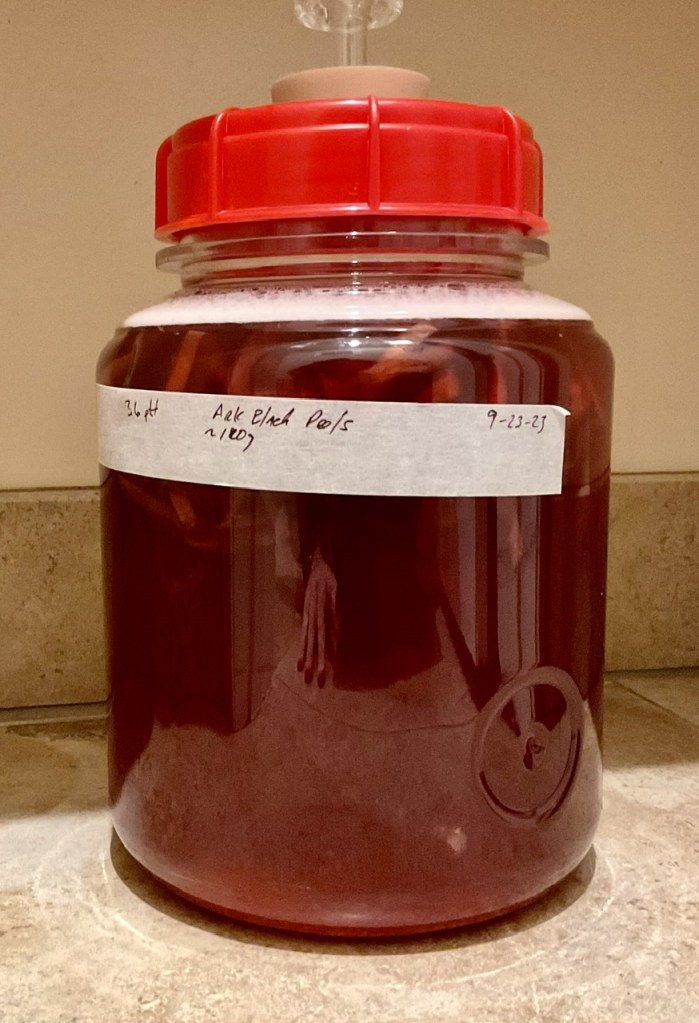
I usually add pectic enzyme to my juice and let it sit overnight, often in my cider refrigerator, before racking the juice off the sediment and fermenting it. This is why I can freeze the peels overnight and microwave before microwaving. You can also process a large number of apples and just store the peels in the freezer, which is another trick I do. This way, I always have peels ready for a cider. Besides breaking down the peel and aiding in the release of anthocyanins, it also kills yeast and bacteria. That helps prevent unwanted acetic or even lactic acid bacteria growth. Something more common when fruit solids are suspended in the cider.
An interesting discovery in my recent travels is that I am finding rosé ciders in France. Usually, I see Brut or Doux, but I found a rosé in southern France and my recent trip through Normandy, I have been finding rosé versions from most of the “producteurs”. Consider adding a rosé recipe to your upcoming cider season and look for mine suggested recipe soon! In the meantime, see what lovely hues of rosé cider you can find and let us know which one you enjoy most!
In the meantime, enjoy some other recipes from PricklyCider.com.


 PricklyCider.com