Spoiler Alert: If you haven’t taken Cider Quiz #1, click here to take it before exploring the answers. Check out the list of related articles at the bottom for reference material about phenolics is apples and how to maximize the amount of phenolic compounds in your cider. A great paper on the subject of phenolics compounds in apples is from K. Thompson-Witrick and associates(1). I strongly encourage you to find a copy and read it.
Question #3: What part of the apple contains the greatest amount of phenolic compounds (w/w)?
Let’s explore each answer.
1. Flesh: Incorrect Answer – The apple flesh generally contains the lowest amount of phenolic compounds. Some apple varieties, Bitters, contain high level of phenolics but the peel and the core (seeds) normally contain significantly more. It is interesting to note that most of the phenolics in the flesh remain there after pressing. Only a small part of the phenolic compounds are extracted during pressing. Also, the force and method of pressing/juicing can impact the amount of phenolics extracted.
2. Seeds: Incorrect Answer – While normally containing more phenolic compounds than the flesh of the apple, they usually contain less than the peel. The phenolics found in the core or around the seeds, are usually harsher phenolic compounds, meaning they are more bitter.
3. Peel: Correct Answer – The peel normally contains between 2-6 times the amount of phenolic compounds as the flesh of the apple. Some apples, like the Arkansas Black, have over 16 times the amount of phenolic compounds in the peel as the flesh. A significant amount of the phenolic compounds are anthocyanins, which are the compounds that create color in the peel. Usually, red apples contain significantly more phenolic compounds over green or yellow apples because of the anthocyanins producing the red color.
4. None of the Above: Incorrect Answer: Their is another part of the apply or pear that contains phenolic compounds that is not included in the answers. That is the stem. Generally, the stem is such a small amount compared to the other parts that it is not considered. Also, it usually contains very bitter and harsh phenolic compounds, but it can be another source of adding phenolic compounds.
Phenolic compound compounds create the bitterness and astringency that helps balance acid. They also improve mouthfeel and create color. They also help stabilize cider and are some of the most healthful compounds you will find in cider. To make your cider colorful beyond the oxidative browning found in many phenolic ciders, add peels to your process. Peels allow you to create rose, red, and even orange colored ciders. Peels also improve the healthiness of your cider as well as the aroma and taste. Understanding how to extract these compounds from your apples will help you create superb and unique ciders.
It is also important to remember that not all phenolic compounds are the same and that the different parts of the apple usually contain different types of compounds. Just like the peel usually contains the highest levels of anthocyanin compounds, which tend to be astringent and softer. The flesh and seeds will usually contain the highest levels of other phenolics with the seeds being harsher and more bitter phenolics. This makes sense as the bitter taste helps protect them from being consumed. However, the total amount of phenolic compounds are concentrated the highest in the peel. This is why I always recommend adding some peels to your cider. The nice thing about peels is that you can actually add them pre-fermentation or post fermentation.
(1) K. Thompson-Witrick and associates, Characterization of the Polyphenol Composition of 20 Cultivars of Cider, Processing, and Dessert Apples Grown in Virginia, J. Agric. Food Chem. 2014, 62, 10181−10191

Exploring the Colors of Hard Cider
I’ve talked about the color of hard cider and how the process for making wine can be used as a reference. This is because like wine, cider color can be…

The Color of Cider
If I asked you to define the color that hard cider should be, what would answer? I’m not talking about an adjunct hard cider, but a tradional hard cider made…
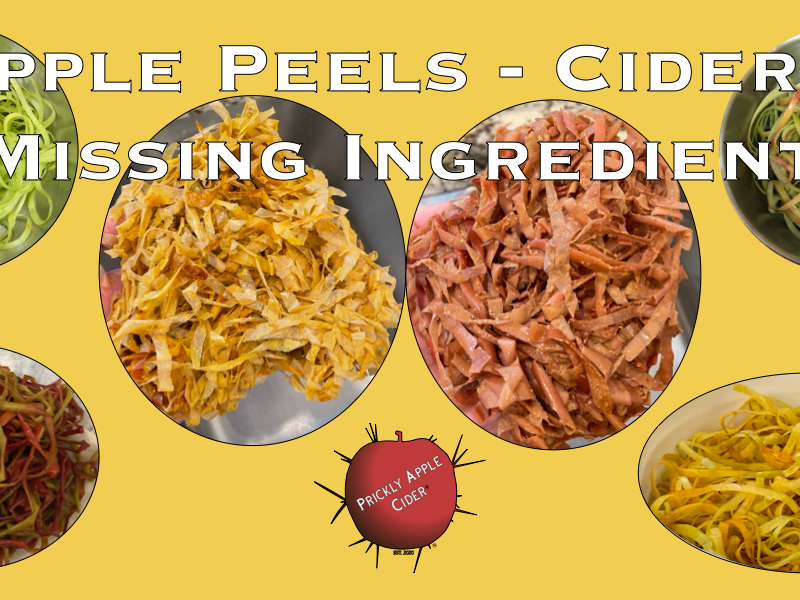
Apple Peels: The Missing Ingredient of Hard Cider
Apple peels can be yellow, green, red, blushed, streaked, sunburnt, and russeted. However, after noting the wonderful colors and even texture, we often ignore them once we start the cider…
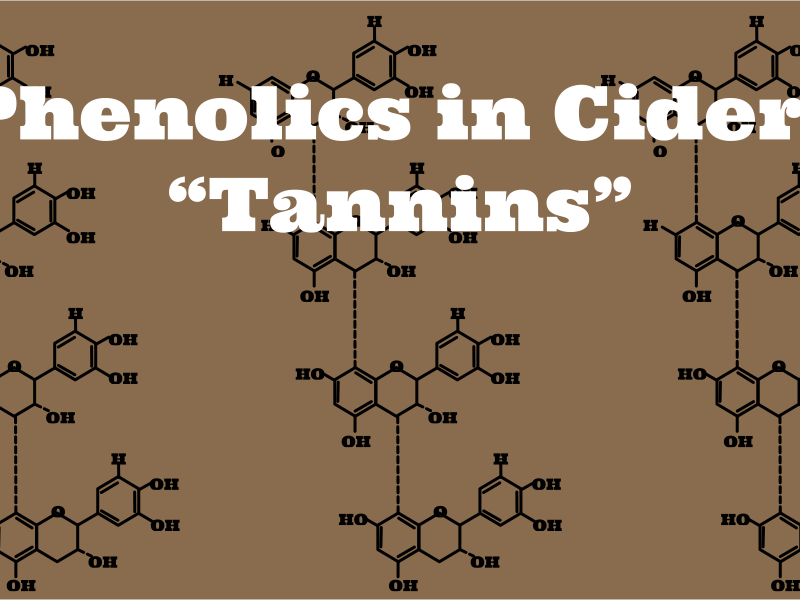
Phenolics and Cider
What exactly are phenolics? Are they tannins? I don’t think there a simple answer. If I told you there are two basics compounds, flavonoid and non-flavonoid types of phenolics, would…
Did you enjoy these tips on making hard cider? Check out my book to learn more ideas and information on making and enjoying hard cider. It will help you develop a process that matches your desire and equipment. It will also show you how to pair cider with food to maximize your experience. You can find it as an eBook and a 7×10 paperback on Amazon or a 7×10 paperback on Barnes & Noble. Click on these Links to check them out.
 PricklyCider.com